1. Custom-Made LowPs™ (Low PUFA) Feed
Chickens can’t thrive on pasture alone, they require supplemental feed to meet their energy and protein needs (it would be inhumane to not provide feed).
While pasture-raised chickens are often thought to produce healthier eggs, many still receive polyunsaturated fat (PUFA)-rich feed, particularly from common ingredients like corn, soy and distiller grains. The fat composition in a hen’s diet directly affects the fat composition in its eggs. So even eggs from pasture-raised hens will have high levels of inflammatory Omega-6 fats (found in seed oils) if fed typical PUFA-rich feed. Chicken feed is where most pasture-raised eggs fall short.
We take a different approach to produce eggs that are lab-tested to contain 73% less Omega-PUFAs relative to Organic Pasture-Raised eggs. In 2021, Farmer Ash designed her own custom chicken feed, free from corn, soy, and other high-PUFA ingredients. Initially crafted in her garage, this unique feed is now produced by two trusted feed mills who prepare the ration for all our farm partners. This ensures the hens in our cooperative receive a diet that supports a healthier fatty acid profile: low in PUFAs and higher in stable, nourishing saturated fats. It’s a one-of-a-kind feed you won’t find anywhere else: LowPs™: low in PUFAs, low in endocrine-disrupting Phytoestrogens, and low in Pesticides.
Not only do we create our own custom feed, but we also partner with regenerative row-crop farmers to grow the ingredients without synthetic pesticides. This allows us to maintain complete oversight of the process, ensuring that our feed is as pure and wholesome as the eggs it helps produce.
2. Mobile Pasture-Raised
Forget the generic “Pasture-Raised” label, which often lacks clarity and can be misleading, many grocery store products use it for chickens confined to large, stationary barns with only limited access to a small, fenced-in area. In such conditions, chickens quickly degrade the land, stripping away the grass, insects, and soil life they need to thrive. As a result, they rely more on processed corn and soy-based feed and less on the natural forage that provides a truly healthy, diverse diet.
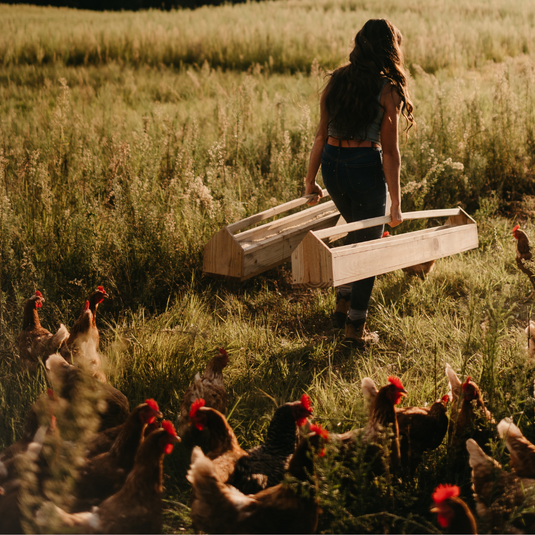
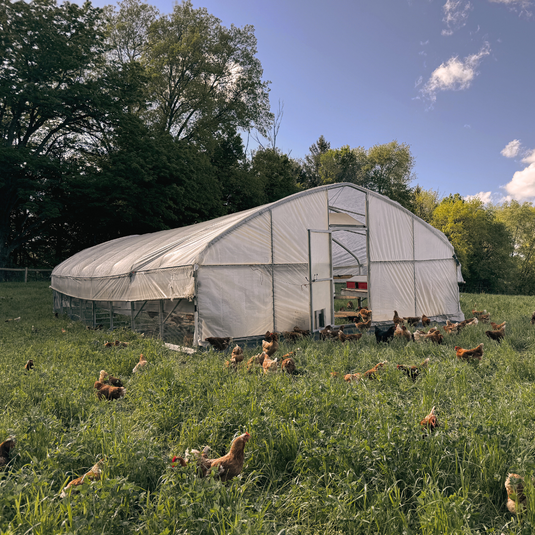
We take pasture-raising to the next level with our mobile pasture-raised approach. All of our farm partners use mobile chicken coops, which are moved every 1-3 days to fresh, nutrient-dense grass with the help of tractors or horses. While this method requires more time and care than stationary coops, the benefits are undeniable. It ensures the land remains healthy, with chickens distributing manure evenly and the soil receiving adequate rest to regenerate. This system allows pastures to thrive without synthetic agrochemicals and produces eggs that are genuinely better for both you and the environment.
Learn more about why not all pasture-raised eggs are the same this blog post.
3. Free-Range on Pasture, Not Confined
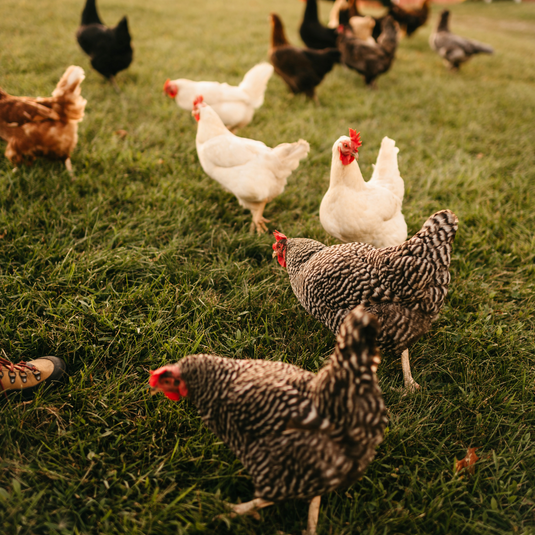
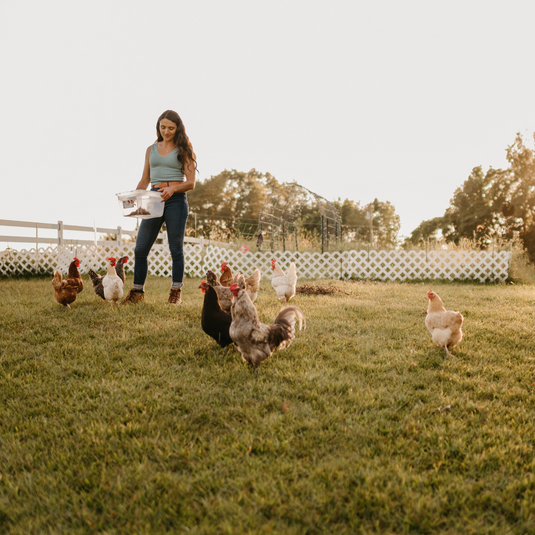
With the mobile pasture-raised approach, the chickens truly have the freedom to roam. Regularly moved to fresh patches of grass, they enjoy a varied diet with access to fresh grass, insects, and natural forage, all of which enhances the nutrient content of the eggs they produce. This method ensures that the chickens are living in a natural environment where they can express their instincts and enjoy space to roam, creating a low-stress atmosphere in stark contrast to the cramped, confined conditions of barns and cages.
A note on winter management: in cold northern climates, truly pasture-raised systems must adapt during winter. Moving mobile coops across frozen ground or deep snow would be unsafe and inhumane, so systems are temporarily modified during the cold snowy months.
Flock sizes remain small (typically 500–2,000 hens per farm), but coops are kept stationary or birds are housed in a small, well-ventilated barn for protection. Farmers use the deep litter method, layering straw or wood chips that allow microbes to break down waste into nutrient-rich compost. In spring, this material is spread out on pasture, improving soil health.
This approach keeps birds warm and dry, reduces ammonia buildup, supports immune health, and turns winter waste into fertility instead of pollution. When conditions allow, hens still have outdoor access and are often provided hay to support foraging and supply nutrients like vitamin K₁. Seasonal adaptation isn’t a shortcut: it’s responsible, humane farming that works with nature, not against it.
4. Superior Nutrient Profile
Chickens raised on pasture produce healthier eggs compared to those in confinement. Access to grass and forage provides them with Vitamin K1, which they convert into Vitamin K2, enriching the eggs with higher levels of this vital nutrient. Sun exposure further boosts Vitamin D production, enhancing the fat-soluble vitamins in the eggs. The diverse diet available on pasture contributes to a richer nutrient profile, providing more vitamins and minerals in every egg.
Eggs are not just a rich source of metabolism-supporting vitamins and minerals; they are also an important dietary fat source. Before the rise of industrial agriculture, eggs were naturally low in polyunsaturated fats (PUFAs). Today, however, the PUFA content in eggs has increased significantly, largely due to the widespread use of corn and soy in chicken feed. At our partner farms, however, the eggs contain less of the metabolism-suppressing Omega-6 PUFAs found in seed oils due to our custom-made, one of a kind corn- and soy-free feed. By raising hens on a natural, diverse diet, we’re bringing back the eggs of the past: lower in harmful PUFAs and higher in beneficial nutrients, giving you a double benefit of better health and better taste.
5. Needle-Free Production
The laying hens at our partner farms thrive in optimal conditions, without the need for pharmaceutical interventions. Raised in smaller flock sizes on fresh pasture with clean air, regular rotation to new grass, and minimal waste exposure, these hens live a natural lifestyle that eliminates the reliance on routine antibiotics, vaccines, hormones, and dewormers common in industrial agriculture.
By prioritizing regenerative practices, our farmers nurture healthy immune systems and natural resilience in their flocks. Diverse pastures provide the essential compounds that support immune function, while regular movement reduces exposure to parasites and bacteria. The freedom to roam and forage also minimizes the stress that confinement systems impose on animals. This holistic approach creates an environment where pharmaceutical interventions are unnecessary, rather than simply avoided.
The result is eggs that are free from medication residues, laid by chickens that live in true health and harmony with their environment: pure, wholesome eggs, just as nature intended.