you can't find this food at the grocery store

Low PUFA
(Healthy Fats)

No Corn, Soy
or Flax

No Vaccines
or Antibiotics

No Hormones
or Growth Factors

Mobile Pasture
Raised

No Pesticides
or Chemicals

No Seed
Oils
Low PUFA
(Healthy Fats)
No Corn, Soy
or Flax
No Vaccines
or Antibiotics
No Hormones
or Growth Factors
Mobile Pasture
Raised
No Pesticides
or Chemicals
No Seed
Oils
the nourish food club difference
Healthier Fats (Low-PUFA by Design)
We are leaders in low PUFA food production to help restore a healthier fatty acid balance in our food system and improve metabolic function.
Polyunsaturated fatty acid (PUFA) consumption has skyrocketed over the last century. And not just from seed oils, but from the way modern livestock are raised and fed.
In 1900, plant-based PUFAs made up just 1–2% of daily calories. Today, PUFAs show up everywhere in the food supply (including meat and eggs) and they account for roughly 15–25% of daily calories, an order-of-magnitude increase. This dramatic shift is not benign. Excess PUFA intake is linked to metabolic dysfunction, cellular damage, chronic inflammation, impaired energy production, and long-term disease risk.
At Nourish Food Club, our food is intentionally crafted and lab tested to contain more of the fats that support human biology and metabolism, and less of the unstable fats (PUFAs) that disrupt energy production and increase cellular damage. Our goal is to restore a fatty acid balance that supported human health for generations.
-----
Why do different fats matter at the cellular level?
The types of fat you eat influence the types of fat stored in your body, and that directly affects how your cells produce energy.
Polyunsaturated fats (PUFAs), monounsaturated fats (MUFAs), and saturated fats (SFAs) have different biochemical structures. So of course your body processes them differently at the cellular level, especially in the mitochondria where energy is produced.
Over the last century, the modern food system dramatically altered this fat balance.
To produce cheap, abundant food, traditional fats like butter and tallow (naturally low in PUFAs) were replaced with seed oils, margarine, and PUFA-heavy alternatives. This flipped the balance of dietary fats from mostly saturated to heavily unsaturated.
This shift didn’t just change what we eat, it reshaped our biology. Human body fat today is far more unsaturated than it was just a century ago.
Research shows that diets high in PUFAs are associated with:
- - Slower metabolic rate and increased fat storage
- - Weakened gut and immune function
- - Reduced ability to efficiently use carbohydrates for fuel
- - Accelerated aging and increased cellular damage
But what many people don't realize is that it’s not just seed oils.
Animal fat has changed as well. Meaning the fats in modern meat and eggs look very different than they did historically. Today, conventional pork, chicken, and eggs can contain PUFA levels comparable to canola oil.
Why?
Because you’re not just what you eat... you’re what your food eats.
As industrial agriculture expanded, livestock diets shifted toward corn, soy, and other high-PUFA feed ingredients. Those fats don’t disappear. They are deposited directly into the meat and eggs we consume.
Foods that once supplied stable, nourishing fats can now resemble industrial seed oils in their fatty acid profile.
Nourish food is different, by design. We are on a mission to unsaturate food after decades of misinformation.
We return to traditional farming principles and feed our livestock species-appropriate, custom-formulated low-PUFA diets to prevent unnatural fatty acid manipulation. This results in lower PUFA levels and higher amounts of metabolism-supporting saturated fats that better align with human biology.
And we don’t guess. We test.
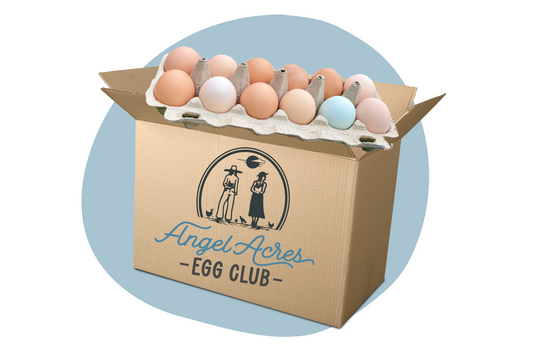
- - Our eggs contain 73% less linoleic acid (an omega-6 PUFA found in seed oils) and 20% more stearic acid than the nation’s leading pasture-raised brand (Organic Vital Farms)
- - Our chicken contains 54% less linoleic acid and 202% more stearic acid than organic free-range chicken
- - Our pork contains 51% less linoleic acid and 95% more stearic acid than conventional pork
Changing what your food eats matters just as much as changing what you eat.
> Cleaner food.
> Healthier fats.
> A fatty acid profile that supports energy production, metabolic resilience, and long-term health.
Custom Feed & the LowPs™ Standard
The LowPs™ Standard is how we control what goes into our food, from seed to fork, so the final product supports human metabolism rather than industrial efficiency. Our food is intentionally low in the “Ps” that disrupt biology: PUFAs, phytoestrogens, and pesticides.
So, how do we achieve Low-PUFA food?
The research is clear: what an animal eats and how it’s raised directly determines the fat in its meat and eggs, and ultimately the fatty acid composition of your body fat and metabolism.
Today, livestock are commonly raised and fed in ways that make their fat far more unsaturated than at any point in human history.
It’s important to realize that not all animals eat the same way.
- - Beef, lamb, and dairy cows are ruminants with four-chamber stomachs. When raised on diverse pasture, they can thrive on a 100% grass-fed diet.
- - Chickens and pigs are monogastric (single stomach, like us!), not ruminants. Even when pasture-raised, they require a supplemental feed that makes up 70–95% of their diet.
That feed matters, and it has changed dramatically over the last 100 years.
Industrial agriculture has flooded livestock feed with high-PUFA ingredients like corn, soy, corn oil, and dried distillers grains. On top of this, decades of misguided nutrition advice pushed producers to intentionally alter animal fat composition (increasing PUFA, lowering saturated fat) in the name of “heart health.”
And most pasture-raised animals are still fed off-the-shelf industrial feeds loaded with omega-6 PUFAs.
At Nourish, that wasn’t acceptable.
We don’t buy feed off the shelf. We make it ourselves! (Most “corn- and soy-free” feed options out there simply replace the problematic ingredients with other high-PUFA or hormone-disrupting inputs, defeating the purpose.)
We put human health first, which means we don’t just follow trends. We design the system.
We custom-formulate our own feed for:
- - Pasture-raised layer hens (eggs)
- - Broiler chickens (meat)
- - Hogs (pork)
- - Dairy goats (goat dairy)
Our feed is intentionally designed to support human metabolism, because you’re not just what you eat, you’re what your food eats.
Our custom feed is designed with intention:
- - Free of corn, soy, and flax, which can introduce allergens into food, increase PUFA content, and raise hormone disrupting compounds
- - Low in polyunsaturated fats (PUFAs), the unstable fats found in seed oils
- - Low in phytoestrogens, plant-derived compounds found in ingredients like soy and flax. They can interfere with hormone signaling due to their estrogen-like structure and are classified as endocrine disruptors.
In a modern world already saturated with endocrine stressors (plastics, pesticides, and industrial chemicals) we believe food should reduce, not add to, hormonal burden.
Studies show that when livestock consume phytoestrogen-rich feed, these compounds can transfer into animal fat and eggs. By eliminating these ingredients, we produce food that better supports balanced hormone health.
Seed-to-fork
We don’t just formulate the feed, we know where the feed ingredients come from.
By partnering with regenerative livestock farmers and regenerative row-crop farmers, we ensure our feed ingredients are grown without toxic chemical inputs, while restoring soil health and supporting resilient farming communities.
This seed-to-fork approach gives us full oversight of the entire process: going beyond organic certification requirements and allowing us to confidently stand behind every product we sell.
The result: food that reflects how it used to be
The outcome of this system is food with:
- - More metabolism-supporting stearic acid
- - Significantly less PUFA
- - Lower phytoestrogen levels
- - Less compounds that make food harder to digest
- - Fewer chemical residues
- - Greater nutrient density
In short: food that more closely resembles what humans have eaten (and thrived on) for generations.
The LowPs™ difference
The modern food system exposes us to compounds that can damage metabolism and disrupt hormones, and many of them start with the letter P: PUFAs, Phytoestrogens, and Pesticides.
We’ve opted out.
We don’t just source food. We build it from the ground up.
Our partner farms grow feed crops regeneratively, we custom formulate livestock feed ourselves, and we test for purity to ensure food is low PUFA, low phytoestrogen, and pesticide-free.
Unlike most farms relying on pre-made organic or conventional feeds from unknown sources, we formulate our own to ensure our food meets the LowPs™ standard.
LowPs™ means:
• ✔ Low in PUFAs – Prioritizing metabolism-supporting saturated fats over unsaturated fats.
• ✔ Low in Phytoestrogens – Free from soy, flax, and other hormone-disrupting compounds.
• ✔ Pesticide FREE – Grown using regenerative practices, not chemical shortcuts, tested glyphosate free.
👉 Learn more about the LowPs™ standard and why it matters for your health.
Regenerative, Pasture-Based Farming
At Nourish Food Club, food is produced in a way that restores the land rather than depletes it. Nearly all of the food we eat ultimately depends on healthy soil, yet modern industrial agriculture is degrading soil at an alarming rate through heavy chemical use, monocropping, and extraction-based practices. Regenerative agriculture takes a different approach by rebuilding soil health, increasing biodiversity, and working with natural systems so future generations inherit healthier land than we started with.
Unlike industrial agriculture, which relies on synthetic pesticides, heavy fertilizer use, mass confinement, and pharmaceuticals to force production from exhausted soil, regenerative farming prioritizes living soil, diverse ecosystems, and natural fertility. Healthy soil is the foundation of healthy food.
By improving soil structure and microbial diversity through responsible grazing, crop rotation, and natural fertility practices, we create an environment where plants, animals, and people thrive, without relying on chemical shortcuts.
Mobile Pasture-Raised Livestock
Unfortunately, the term pasture-raised is often misleading. In many conventional systems, animals may technically have “pasture access” while spending most of their lives inside of a large barn, with small doors out to pasture. In these conditions, animals like chickens and pigs can quickly degrade the land: there’s no longer any grass, bugs, or life left in the soil, leading to poor nutrition for the animals as they rely more heavily on processed corn and soy-based feed, and less on the natural diversity they would have in an ideal environment.
We take pasture-raising a step further.
Our livestock are raised using a mobile pasture-based system, meaning animals are regularly rotated onto fresh, nutrient-rich pasture.
Coops, huts, feeders, and water systems are moved frequently so animals always have access to:
- - Fresh grass and diverse forage (a wider nutrient intake
- - Insects and natural food sources
- - Clean living conditions and sunlight
- - Space to express natural behaviors
Animals are never caged or confined to buildings. This low-stress environment supports animal health and results in meat, eggs, and dairy that reflect how animals are meant to live.
The animals also enjoy a wider nutrient intake, with regular access to fresh grass, insects, and a variety of natural forage, leading to more nutrients in the final product.
Raised outdoors in a low-stress environment (never confined or caged) they have plenty of space to express their natural instincts, resulting in meat, dairy and eggs you can feel good about.
Regeneration benefits animals and the land
Regular rotation allows pastures time to rest and recover. Animal impact is spread evenly across the field, and manure naturally fertilizes the soil rather than concentrating waste in one place.
Each species plays a role:
- - Ruminants gently aerate soil with their hooves
- - Chickens scratch, peck and cycle nutrients, pigs gently root
- - All animals contribute fertility (through their manure) that stimulates plant regrowth
This mimics natural grazing patterns and builds resilient pastures without synthetic pesticides.
Regenerative practices beyond livestock
For our produce and heritage wheat and ancient grains, regenerative farming means:
- - Cover cropping
- - Natural composting methods
- - Crop rotation
- - Minimal or no-till practices
These techniques protect soil structure, prevent erosion, improve water retention, and support a thriving underground ecosystem of beneficial microbes and fungi. Instead of extracting from the land, every harvest contributes to its long-term health.
Regenerative practices beyond livestock
We are proud to partner with regenerative row-crop farmers to grow the ingredients for our custom-made, corn- and soy-free feed. This ensures that every part of our regenerative food system is deeply committed to improving soil health, increasing nutrient density, and creating a healthier environment for all of us.
Environmental benefits
Regenerative, pasture-based systems:
- - Build organic matter in soil, improving water retention and nutrient cycling
- - Reduce erosion and protect waterways from chemical runoff
- - Support biodiversity above and below ground
- - Help maintain natural carbon and water cycles
It’s farming in partnership with nature (not against her!)
By prioritizing soil health, animal welfare, and natural rhythms, regenerative farming produces food that is more nutrient-dense, cleaner, and more resilient, while restoring the land and reducing environmental pollution.
A win-win-win: better for the animals, better for human health, and better for the environment.
Clean Inputs
Clean food starts with clean inputs.
Drug-Free Livestock; No GMOs; No Pesticides; No Gums, Additives, Emulsifiers, Seed Oils; No Bleaching, Bromating, or Synthetic Fortification in our Flour; No APEEL Coating on our produce.
At Nourish, we don’t rely on shortcuts, chemical fixes, or modern additives to prop up food quality. We build food the old-fashioned way, using real ingredients, thoughtful farming, and full transparency.
👉 Drug-Free Livestock
There are two approaches to food production today: farming… and pharming.
Many don’t realize that much of the livestock in the U.S. is raised with routine pharmaceutical interventions: vaccines, antibiotics, hormones, and dewormers are considered standard practice (even in some pasture-raised systems).
In crowded, stressful, confinement-based systems, these drugs aren’t optional; they’re often necessary just to keep animals alive and productive. (ref)
That’s one model.
At Nourish, we choose another. How things were before Big Pharma and Big Ag became one.
Our farmers raise animals the way they were raised before industrial agriculture: outdoors, on pasture, with fresh air, sunlight, movement, and species-appropriate diets. Animals are regularly rotated to new pasture using mobile housing and rotational grazing systems.
This matters for three key reasons:
1. Reduced disease and parasite pressure
2. Stronger natural immunity
3. Space to express natural instincts & keep stress low
This stands in stark contrast to confinement systems (including CAFOs), where animals are kept in the same area or stuffed inside buildings for their entire lives: exposed to waste buildup, chronic stress, and high parasite loads.
In these conditions, pharmaceutical intervention isn’t optional; it’s often unavoidable.
Healthy environments produce healthy animals. And healthy animals don’t require prescriptions and routine drugs.
Our livestock are never confined in cages, feedlots, or industrial confinement operations (CAFOs). They live outdoors, with space to graze, root, scratch, roam, and behave like animals, not production units.
Because stress is low and health is high, pharmaceuticals are not part of our system.
Real farming. Real food. No prescriptions required.
👉 No GMOs
Our custom corn- and soy-free feed for layer hens, meat birds, hogs, and dairy goats contains no genetically modified ingredients: no GMO corn, soy, or canola. Instead, animals graze on diverse pasture and are supplemented with non-GMO, regeneratively grown, chemical-free feed that we custom formulate ourselves. Our cows, lamb, and yak are 100% grass-fed on non-GMO, chemical-free pastures.
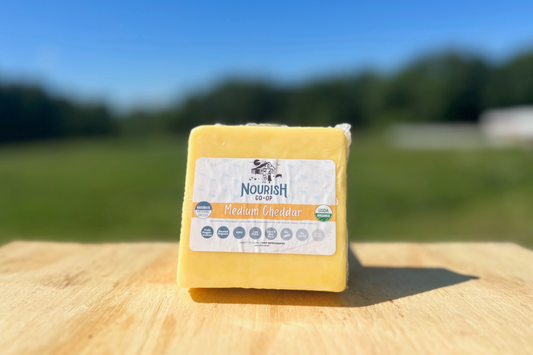
Our cheese is GMO-free and made using traditional animal rennet, not lab-created fermentation-produced chymosin (FPC). FPC, introduced in the 1990s, is produced using genetically modified organisms and now accounts for over 90% of cheese made in the U.S. because it lowers costs and speeds up production. Unlike traditional rennet, FPC has limited long-term safety data and has been associated with digestive discomfort for some people. Animal rennet has been used safely for over 7,000 years, and we honor that tradition to produce pure, authentic cheese that’s more aligned with human digestion.
👉 No pesticides
We avoid toxic pesticides on livestock pastures, produce farms, and the grains grown for our sourdough and animal feed. By using regenerative and permaculture practices that build soil health and biodiversity, our farms grow food that is naturally more resilient, without chemical interventions.
This protects soil life, water quality, and ultimately the purity of the food on your table.
👉 No Gums, Additives, Emulsifiers, Seed Oils
Most modern grocery-store foods rely on additives to extend shelf life, improve texture, or mask poor-quality ingredients. These include seed oils, gums, stabilizers, preservatives, and emulsifiers like carrageenan, gellan gum, polysorbate 80, and potassium sorbate.
You’ll find these in:
- - Bread (seed oils, preservatives, gums)
- - Yogurt and cottage cheese (gums and stabilizers)
- - Cream (carrageenan)
- - Milk (synthetic vitamins carried in emulsifiers and seed oils)
- - Meat (carbon monoxide for color, phosphates and salts to retain water and increase package weight)
These are industrial inventions, not traditional food ingredients, and many lack long-term safety data while contributing to gut irritation and metabolic stress.
We skip them all.
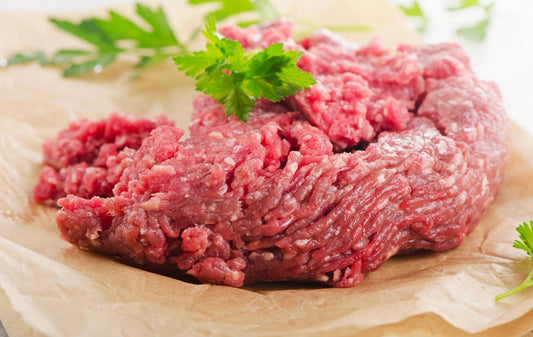
- - Our meat has one ingredient: meat
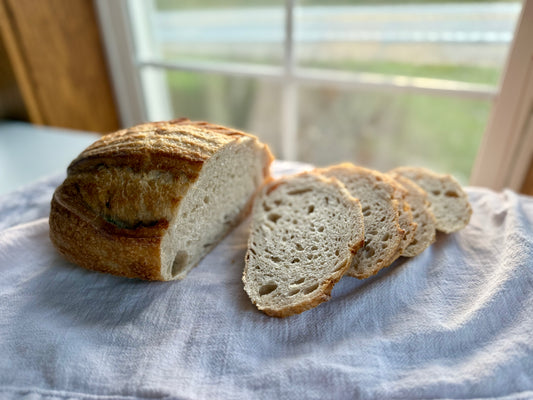
- - Our sourdough contains no seed oils or gums
- - Our dairy uses only traditional ingredients (starter cultures, rennet, salt)
- - Our bone broth contains no preservatives (just canned in glass)
- - Our prepared foods (like jam, salsa, and high-protein egg muffins) use simple, clean ingredients
No synthetic additives. No “natural flavors.” No chemical shortcuts.
👉 No Bleaching, Bromate, or Synthetic Fortification in Flour
Modern flour is milled using steel rollers that strip away most of nutrients, then chemically bleached for appearance and “enriched” with a few synthetic vitamins and minerals (like iron shards that increase oxidative stress and folic acid that disrupts B vitamin metabolism) in attempt to compensate the nutrients lost from the harsh milling process. It is funny to think we can replicate the whole food matrix!
Some flours are treated with chlorine or benzoyl peroxide. Others still use potassium bromate, a dough strengthener linked to cancer and banned in many countries but still legal in parts of the U.S.
At Nourish, we do things differently, and go back to how things used to be done for thousands of years before harsh milling and refined white flour started in the early 1900s.
Our heritage wheat and ancient grains are:
- - Not genetically altered
- - Grown on nutrient-rich regenerative soil without pesticides
- - Stone-milled, not industrially stripped, which preserves the nutrients and flavors
- - Unbleached and unbromated
- = Not fortified with synthetic vitamins
We mill fresh weekly, not months in advance, preserving flavor, nutrients, and digestibility.
👉 No APEEL coating on our produce
We believe produce should have one ingredient: produce.
We skip synthetic coatings like Apeel, a seed-oil–based wax used to extend shelf life. Instead, our produce is delivered fresh from small regenerative farms, free from coatings, preservatives, and unnecessary additives.
The Nourish Standard
Clean inputs matter because they add up. Day after day. Year after year.
By avoiding GMOs, pesticides, additives, seed oils, synthetic fortification, and chemical coatings, we produce food that’s simpler, cleaner, and more aligned with human biology.
This isn’t about perfection.
It’s about removing what never belonged in food to begin with.
Simplified Shopping & Convenient Delivery
You already know clean, farm-fresh food matters.
The hard part is finding the time to source it.
Driving hours to different farms. Coordinating pickup days. Navigating multiple niche websites and checkouts. Trying to keep it all straight while juggling work, family, and life.
That’s where Nourish Food Club comes in.
Real food, without the friction
We built Nourish for people who want to eat well, but don’t want sourcing food to feel like a second job.
Instead of piecing things together from multiple farms and platforms, Nourish brings everything into one place, one checkout, one delivery.
Nourish Food Club is a Private Member Association connecting you directly with traditional, unaltered, regeneratively-raised farm-fresh foods.
Think of it as your virtual farm stand.
As a member, you get access to a curated network of small regenerative farms producing food you can truly trust:
- - Corn- & soy-free, Low-PUFA meats and eggs
- - Raw A2/A2 cheeses and dairy
- - Heritage wheat, ancient grains, and traditional sourdough
- - Seasonal, chemical-free produce
- - Collagen-rich bone broth and more
All carefully sourced and crafted. All aligned with our standards. All delivered directly to your door.
Convenience without compromise
We don’t make food “convenient” by cutting corners.
We make it convenient by doing the hard work for you (vetting farms, coordinating logistics, and handling delivery) so you can focus on living your life.
Old-fashioned food.
More nutrients. Less toxins.
Modern convenience.
No compromise on quality.
If you want real food to be the easiest part of your week, you’re in the right place.
👉 Join Nourish Food Club and take the stress out of sourcing real food
TRUSTED BY THOUSANDS OF FAMILIES
All in one place
Before Nourish, I bounced around different websites trying to find truly clean food, but every source had something missing (still ate PUFAs, vaccinated, etc). Now I finally feel confident I’m getting the best from people who genuinely care about quality & service. Everything I need, all in one place and one checkout!Dennis P
08/18/2024

Can finally eat more food products again
Everything we have gotten from Nourish has been great. Me and my family have gone without a lot of food products for a long time, due to not being able to source a clean product. Keep up all the great work. Customer for life.Cody
08/05/2025
Superb
We can attest to the superior quality of all the products that Nourish Food Club sells. We love these guys!Chris
11/06/2025
Dream come true
This is seriously my dream come true. One place to get all the most nutrient dense foods I could ever want.Barb
04/25/2024
Nourish is great
The highest quality farm foods I've ever experienced.Rich
12/20/2025
Thank you so much!
I am so impressed with your products and the amazing way that you were able to deliver all this good food to my front door! Thanks for your intentional work in providing real food! Power on!Michelle Harrast
11/08/2024
Thank you!
I am so thankful to have found this wonderful company. Besides the clean healthiest food, the service is quick & efficient. I just ordered it a few days ago and it is already here!Karen McCabe
09/14/2024
Gratitude for Nourish
I'm so impressed and grateful for your mission and accomplishments, Farmer Ash. The eggs are always fantastic and Nourish products are equally delightful. I'm teaching my 25 year old son everything I can, while I have his attention and he's soaking it in. Your generation is the future; and things are looking beyond bright!Karen Hanneman
11/24/2024
Thank you
Thank you for establishing your farm-owned business. I love how you are able to produce healthy food, such as cheese, sourdough bread, and lamb. It is especially hard to keep a heart-healthy diet when there are so many other food choices that can have adverse effects on our health. I appreciate what you do.Faith Peterson
12/09/2024
Blessings and hugs to you all!
Just wanted to send you a HIGH 5 for your organization of information that you send us, your transparency in all your communications, and your friendly communiques within the newsletter. We think that this country has a lot to learn from your practices of detail management, honesty in information, and your nutritional awareness. Keep up the good work. We're telling everyone who expresses interest about your food club why it's the beginning of a healthier climate in this world in which we're journeying.Lauri
01/12/2025
Blessings and hugs to you all!
Just wanted to send you a HIGH 5 for your organization of information that you send us, your transparency in all your communications, and your friendly communiques within the newsletter. We think that this country has a lot to learn from your practices of detail management, honesty in information, and your nutritional awareness. Keep up the good work. We're telling everyone who expresses interest about your food club why it's the beginning of a healthier climate in this world in which we're journeying.Lauri Rathsam
12/01/2025
Amazing
Nothing but compliments. All your products make me look like I’m a top notch chef because the food is so good! Ps I also really love the jam and English muffins too. 💯👍🏻Hallie Coughanour
11/29/2024
This ain't your average grocery store
This is not your typical Publix wholefoods type of grocerities, this should be considered fine eating. Thank you NourishGuillermo
12/19/2023
Amazed
I am amazed, the order just arrived, the shipping department did an outstanding job!! Everything was still frozen awesome and packed with care!!! I did order meats before with Butcher Box but it is without words to see the difference and then on top to know that I have really healthy food and even cheese. I only ate Manchego what we got from Costco. Now I have choices because of your A2 milk. I am excited to make the first meal ( chicken liver with onions and mash potatoes today). I am so glad that I am a member of Nourish food club and can buy my Eggs , meat and cheese at one place.Tabea
08/29/2025
I love yall
I love what you guys have created and I know it isn’t easy but just want you to know it’s so appreciated 🥹😭 just to not have to stress about what the animals were fed, how they were raised…I know I can trust that they’ve had a great life and were fed the best of the best and treated humanely and that they will truly nourish my body. So long story short - THANK YOU! 🥰Jessica Marye
03/02/2025
Gratitude for Nourish
I'm so impressed and grateful for your mission and accomplishments Farmer Ash. The eggs are always fantastic and Nourish Coop products equally delightful. I'm teaching my 25 year old son everything I can, while I have his attention and he's soaking it in. Your generation is the future; and things are looking beyond bright!Karen Hanneman
11/24/2024
Proud of You and Thank You
I've bought a few things from you so far, and my wife and I both love them. Your eggs, cheese, honey, maple syrup - all great! We really like the wholesome and healthy ways you make or raise your products! We wish you every success!! Keep after it and never give up.Steve Szekely
01/19/2025
So grateful
I'm living proof that Nourish has the most pristine, healing food on the planet!! Throughout my entire life I haven't been able to consume any dairy, even raw A2 goat products from other farms, until I shared with Ashley my negative experiences with dairy. I am so happy to report that I'm enjoying Nourish A2 dairy without any migraines, acne breakouts, or rashes! Additionally, Nourish has the most ancestraly raised, needle-free, chemical-free, low histamine, low PUFA meat, bone broth and eggs on this planet! Nourish provides me with most of my daily food... can't imagine my life without Ash and Sarah and Nourish! 🙏Suzanne
05/12/2023
Thank you so much!
I am so impressed with your products and the amazing way that you were able to deliver all this good food to my front door! Thanks for your intentional work in providing real food! Power on!Michelle
08/11/2024
Appreciated
The meat, chicken, eggs, cheese, milk are so delicious. I am from Europe and used to flavorful food. Because of you guys I can eat like I am used to from home. And your educational videos are tops. So much research. I hope you know how much we all appreciate you.Christine
01/06/2025
Can finally eat dairy again
Finding Nourish has been amazing and a total game changer for our family. We are not only very grateful for how you are helping us bring cleaner food to the table, but also re-introducing dairy to our previously sensitive/allergic to everything kiddo with great success!Drea
08/05/2025
Thank you
Angel Acres Eggs and Nourish Food Club are a gift from God!Angela Herget
01/02/2025
We love Nourish!!!!!
Omg! The food is delicious. I am not surprised. Blown away and so grateful for your hard work. Thank you for providing this amazing and sustainable food. I know what you both do is not easy. I cannot express how much this food means to me. Thank you so much!Jamie
12/28/2023
Praise
I received my order yesterday and wanted to let you know that I am impressive with how it arrived. Good Job! Also thank you for offering healthy food that isn’t polluted by “man’s” ways! I strongly believe I am alive because I have clean food choices. All I can say is thank you! Many blessings to you all, with continued success!Susan
02/07/2025
Thank you
Angel Acres and Nourish are a gift from God!Angela
02/01/2025
Thank you so much
Thank you! Product arrived in perfect condition, even with Texas heat! Ice packs, in tact! I will most definitely continue to order. Thank you so very much!JoAnn
10/10/2024
Recent Order
My order arrived in AMAZING condition..the dry ice was hardly evaporated..ALL WAS FROZEN SOLID…amazing! THANK YOU SO VERY MUCH. ❤️💋❤️Dawn B
12/05/2024
Gratitude for Nourish
I'm so impressed and grateful for your mission and accomplishments Farmer Ash. The eggs are always fantastic and Nourish Coop products equally delightful. I'm teaching my 25 year old son everything I can, while I have his attention and he's soaking it in. Your generation is the future; and things are looking beyond bright!Karen
11/24/2024
Thank you
Our family is really enjoying the wonderful food that you’re working so hard to produce for everyone. We appreciate you all very much!Carol
01/10/2025
Thank you
I am so grateful that you created a company that provides us with healthy nourishing food !! Thanks to All of You !!Kathryn C
12/06/2024
So pleased
I am so very pleased with my first order! The meats and cheeses came completely frozen. Thank you for adding me to the co-op list. Will be ordering again very soon.Lorri
09/27/2024
Proud
We are happy to be of support! We have to say your eggs are amazing, and we recently tried the boneless, skinless chicken breasts. We just prepared them naked ( herb roasted). We will soon be making my famous 5 hour stew with the stew meat we purchased. Every item we have purchased has been the very best quality. We are very proud of you young ladies. We watched the videos you posted. We know you will continue with even more success.Maggie G
12/12/2024
Thank you
Thank you for establishing your farm-owned business. I love how you are able to produce healthy food, such as cheese, sourdough bread, and lamb. It is especially hard to keep a heart-healthy diet when there are so many other food choices that can have adverse effects on our health. I appreciate what you do.Faith P
09/12/2024
Thank you
I just want to say again how much I LOVE your farm cooperative! I’m so glad to have found a wonderful farm in Michigan! Keep up the great work!Jennifer O
11/01/2024
Grateful
I just want to say how much I appreciate everyone's efforts to supply good food to us all. I am so very grateful! I was touched by the personal note from one of the gals thanking me for my order last time. You are doing a good thing!Beth
08/10/2024
With heartfelt gratitude 🙏
Thank you so much for being the leader in the movement in this area. I know it is not easy but must be extremely fulfilling and rewarding.Kim S
01/20/2025
Proud of You and Thank You
I've bought a few things from you so fay, and my wife and I both love them. Your eggs, cheese, honey, maple syrup - all great! We really like the wholesome and healthy ways you make or raise your products! We wish you every success!! Keep after it and never give up.Steve
01/19/2025
Grateful!!
Just want to say thank you for all you do to give us an option for some REAL awesome food & products. And mindful, great packaging, well done all! 👏Cindy
09/27/2024
Amazing
AMAZING. Nothing but compliments. All your products make me look like I’m a top notch chef because the food is so good! Ps I also really love the jam and English muffins too. 💯👍🏻Hallie C
11/29/2024
Thank you
I just have to say thank you thank you to you guys...what you are doing for mankind there really aren't earthly words ❤️🙌Michelle
06/14/2024
Blown away
Absolutely blown away by the taste/satiating qualities of these products. I'll certainly be a frequent customer for many many years to come.Chris
04/23/2024
Appreciate Nourish!
I was very impressed with how educated, passionate and well spoken you were Farmer Ash. A giant Thank You to You for making your videos and sharing them with the public. Truly Appreciated.Jaime
09/15/2024
Great
Thank You so much! Everything arrived perfectly! I grew up on a regenerative farm and your food tastes like home! Keep up the great work! Much appreciated!Grant
01/31/2025
Thank you!
I am so thankful to have found this wonderful company. Besides the clean healthiest food, the service is quick & efficient. I just ordered it a few days ago and it is already here!Karen
09/14/2024
THANK YOU
AMAZING!!! So happy! Thank you for all you do to keep us healthy!Heidi
01/10/2025
THANK YOU SO MUCH!!
I received my first order today. It was carefully packaged and everything was perfect. I can tell you take pride in your work. So far I tasted the sourdough bread and butter and OMG!!!! It is the best I have ever had. Your items are so much better than the other farm I ordered from. I will definitely order againDara L
04/24/2024
So grateful
I'm living proof that Nourish has the most pristine, healing food on the planet!! Throughout my entire life I haven't been able to consume any dairy, even raw A2 goat products from other farms, until I shared with Ashley my negative experiences with dairy. I am so happy to report that I'm enjoying Nourish A2 dairy without any migraines, acne breakouts, or rashes! Additionally, Nourish has the most ancestraly raised, needle-free, chemical-free, low histamine, low PUFA meat, bone broth and eggs on this planet! Nourish provides me with most of my daily food... can't imaging my life without Ash and Sarah and Nourish! 🙏Suzanne
12/05/2023
This ain't your average grocery store
This is not your typical Publix wholefoods ype of grocerities, this should be considered fine eating. Thank you NourishGuillermo
12/19/2023
Taste the difference <3
My kids can taste the difference! And they are little! We make egg bites with the eggs, ,bacon and cheese and they love them!Brooke
01/23/2024
Just so happy
I can’t tell you how grateful I am that I found Nourish your products are absolutely phenomenal and I couldn’t be happier.Teresa
02/03/2025
I love yall
I love what you guys have created and I know it isn’t easy but just want you to know it’s so appreciated 🥹😭 just to not have to stress about what the animals were fed, how they were raised…I know I can trust that they’ve had a great life and were fed the best of the best and treated humanely and that they will truly nourish my body. So long story short - THANK YOU! 🥰Jessica
02/03/2025
So grateful
Thank You so much! Everything is sooo delicious! I am immensely grateful and appreciative! Keep up the great work! Aloha!Grant
02/21/2025
Happy customer!
Really enjoying Nourish Food Club and Angel Acres products!Allyson
02/20/2025
Impressed
Thank for the speedy delivery! This was my first order. Just want to let you know it is the most well packaged food order I have ever received. Meat was frozen very hard, cheeses were very cold but not frozen…could not have asked for more. I can’t wait to try everything!Chris
03/29/2025
So pleased
THRILLED !!! Everything intact and frozen, including frozen packets...hard as, well, "ice."Sharon
03/29/2025
Forever customer
Once you've been NOURISHed...there's no going back :) ! I grew up on a regenerative farm (I'm a Boomer). Your food tastes like Home!Gigi
03/29/2025
THANK YOU
Thank You so much! Everything is sooo delicious! I am immensely grateful and appreciative! Keep up the great work!Gigi
02/27/2025
Grateful
Your excellent customer service is deeply appreciated (and unfortunately it is extraordinarily rare these days). Thank you again!Sherri
04/13/2025
Great customer support
You folks are the best. Not just for the food but for the service. Thank you!Jeff
05/08/2025
Can finally eat more food products again
Everything we have gotten from Nourish has been great. Me and my family have gone without a lot of things for a long time, do to not being able to source a clean product. Keep up all the great work. Customer for life.Cody
05/08/2025
I love your products!
The cheese is wonderful, and the eggs are the best! The first time I tried your eggs, I noticed they didn't have that strange taste that all other eggs have. No one else in my family could taste it, but I definitely always have. Yours don't have the strange taste. They're delicious. I actually like eggs now. I never did before. Last night we baked a ham from Nourish, and it was one of the best and most flavorful that we've ever had.Susan
05/30/2025
Amazing customer service
Your excellent customer service is deeply appreciated (and unfortunately it is extraordinarily rare these days). Thank you again!Sherri
05/08/2025
What a difference
I am enjoying the beef the chicken and the eggs. What a difference.Frances
06/01/2025
Appreciated
The meat, chicken, eggs, cheese, milk are so delicious. I am from Europe and used to flavorful food. Because of you guys I can eat like I am used to from home. And your educational videos are tops. So much research. I hope you know how much we all appreciate you.Christine
06/01/2025
Oh My Gosh!!
when we received our order Oh My Gosh!! We were astounded!! It was so well packed and in incredible condition. The ice packs still had ice and they stayed icy till Sunday!!! We received the order on Thursday!! The entire order, your help, the shipping and the products are all great 👍 👍Carole and Jack
06/10/2025
Feel the difference
Love the meat and the eggs. Definitely a difference and you can even tell the difference when handling the meat. It’s probably the PUFA fat in the other meats.Halmic
06/01/2025
Can finally eat dairy again
Finding Nourish has been amazing and a total game changer for our family. We are not only very grateful for how you are helping us bring cleaner food to the table, but also re-introducing dairy to our previously sensitive/allergic to everything kiddo with great success!Drea
05/08/2025
Impressed
Thank for the speedy delivery! Just want to let you know it is the most well packaged food order I have ever received. Meat was frozen very hard, cheeses were very cold but not frozen…could not have asked for more. I can’t wait to try everything!Chris
03/29/2025
THANK YOU
AMAZING!!! So happy! Thank you for all you do to keep us healthy!Heidi Dixon
10/01/2025
Grateful
I just want to say how much I appreciate everyone's efforts to supply good food to us all. I am so very grateful! I was touched by the personal note from one of the gals thanking me for my order last time. You are doing a good thing!Beth Jones
10/08/2024
Oh My Gosh!!
When we received our order Oh My Gosh!! We were astounded!! It was so well packed and in incredible condition. The ice packs still had ice and they stayed icy till Sunday!!! We received the order on Thursday!! The entire order, your help, the shipping and the products are all great 👍 👍Carole and Jack
10/06/2025
Recent Order
My order arrived in AMAZING condition..the dry ice was hardly evaporated..ALL WAS FROZEN SOLID…amazing! THANK YOU SO VERY MUCH. ❤️💋❤️Dawn Breen
05/12/2024
Feel the difference
Love the meat and the eggs. I can definitely feel a difference and you can even tell the difference when handling the meat. It’s probably the PUFA fat in the other meats.Halmic
01/06/2025
Thank you so much
Thank you! Product arrived in perfect condition, even with Texas heat! Ice packs, in tact! I will most definitely continue to order. Thank you so very much!JoAnn Aaron
10/10/2024
Thank you
I am so grateful that you created a company that provides us with healthy nourishing food !! Thanks to All of You !!Kathryn Cusimano
06/12/2024
So pleased
I am so very pleased with my first order! The meats and cheeses came completely frozen. Thank you for adding me to the co-op list. Will be ordering again very soon.Lorri Cahill
09/27/2024
Grateful!!
Just want to say thank you for all you do to give us an option for some REAL awesome food & products. And mindful, great packaging, well done all! 👏Cindy Chadwick
09/27/2024
THRILLED !!!
Everything intact and frozen, including frozen packets...hard as, well, "ice."Sharon
03/29/2025
THANK YOU SO MUCH!!
I received my first order today. It was carefully packaged and everything was perfect. I can tell you take pride in your work. So far I tasted the sourdough bread and butter and OMG!!!! It is the best I have ever had. Your items are so much better than the other farm I ordered from. I will definitely order againDara Lynn
04/24/2024
Proud
We are happy to be of support! We have to say your eggs are amazing, and we recently tried the boneless, skinless chicken breasts. We just prepared them naked ( herb roasted). We will soon be making my famous 5 hour stew with the stew meat we purchased. Every item we have purchased has been the very best quality. We are very proud of you young ladies. We watched the videos you posted. We know you will continue with even more success.Maggie Guillaume
12/12/2024
With heartfelt gratitude 🙏
Thank you so much for being the leader in the movement in this area. I know it is not easy but must be extremely fulfilling and rewarding.Kim Shackleford
01/20/2025
I love their cheese
A2A2 Raw grass-fed... made with natural animal rennet. DELICIOUS. I don't buy any other cheese. Their shipping is well managed and quick. Highly recommend.Jennie
04/11/2025
Love your food!!
My stomach can toleratie it sooooo well! Your dairy, eggs and all the different types of meats! Amazing!!Sandra
11/20/2025
NFC is the best
Their food is delicious - the meat is some of the best I've tasted.Grace
11/05/2025
Best Sellers
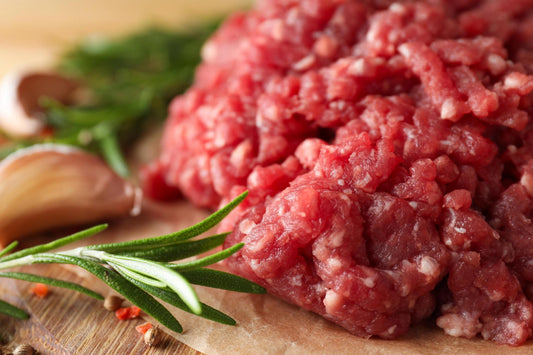
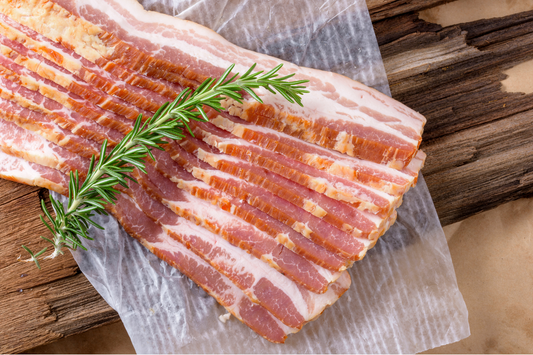
Real Smoke
No Nitrates/Nitrites
Low PUFA
12 oz
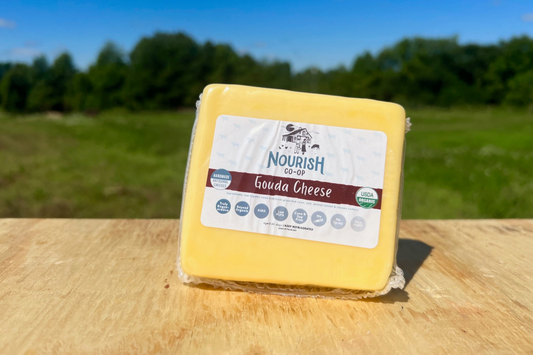

Low PUFA
Corn & Soy Free
Mobile Pasture-Raised
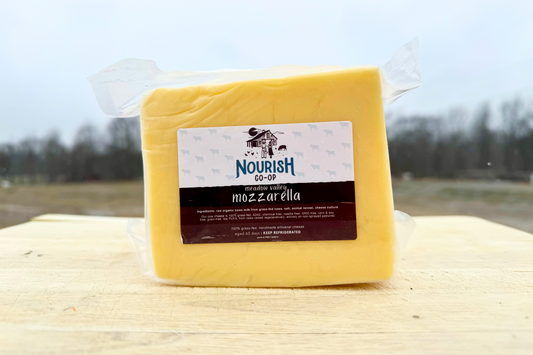
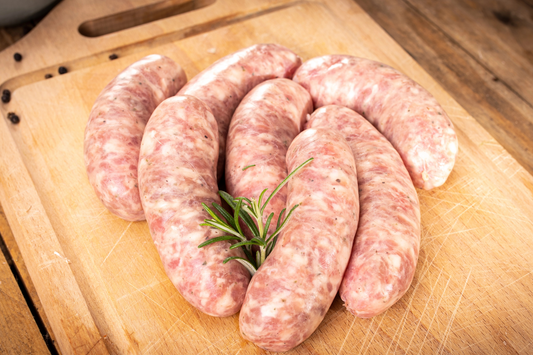
Low PUFA
Corn & Soy Free
Mobile Pasture-Raised
Pork Breakfast Sausage Links Pork Breakfast Sausage Links
1 lb
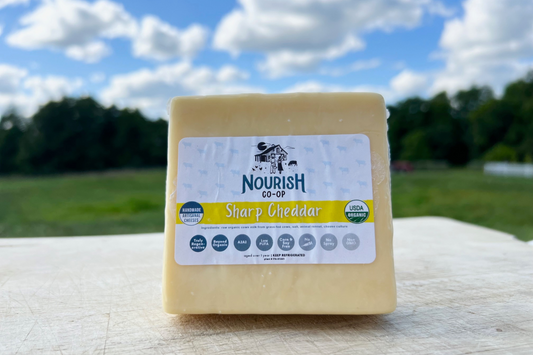
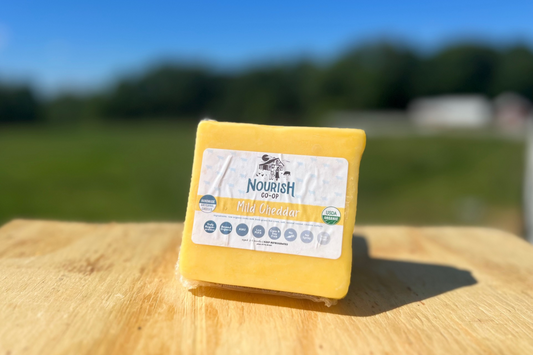
Raw Dairy
A2-A2
100% Grass Fed
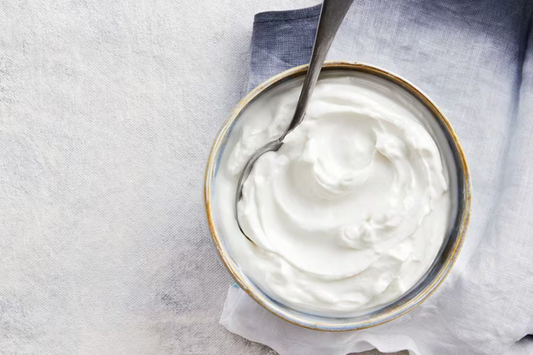
Raw Skyr Yogurt Raw Skyr Yogurt
1 Pint

Low PUFA
Corn & Soy Free
Mobile Pasture-Raised
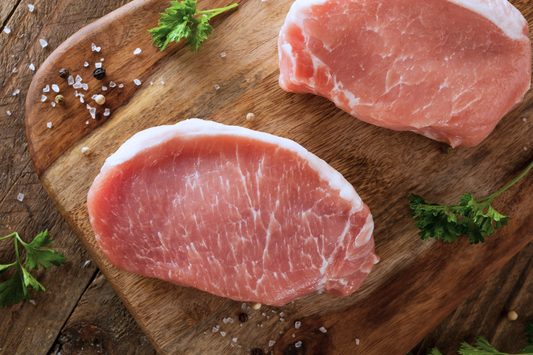
Boneless Pork Chops Boneless Pork Chops
1-1.3 lb avg
Raw
A2-A2
100% Grass Fed
Mild Cheddar | BYOCB Mild Cheddar | BYOCB
1 lb
Real Smoke
No Nitrates/Nitrites
Low PUFA
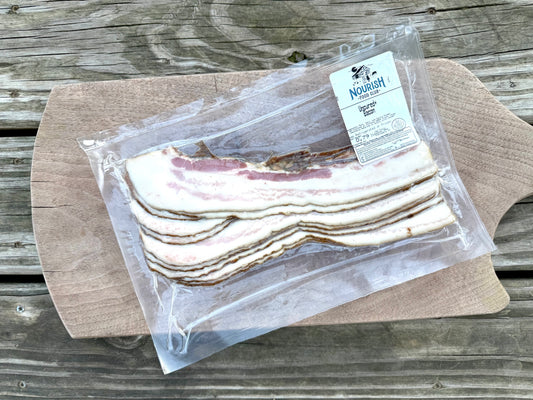
Pork Bacon (Fatty Pieces) Pork Bacon (Fatty Pieces)
12 oz

Low PUFA
Corn & Soy Free
Mobile Pasture-Raised

Low PUFA
Corn & Soy Free
Mobile Pasture-Raised
your virtual farm stand

your virtual farm stand
It's no secret: the conventional food system isn't serving our bodies, the land, or the animals. So we opted out and built something better.
Nourish Food Club is a Private Member Association connecting you directly with traditional, unaltered, regeneratively raised farm-fresh foods that truly nourish your body and support optimal health.
Members gain exclusive access to our comprehensive food network you can't find at grocery stores:
- - Premium Corn- and Soy-Free Low PUFA Meats & Eggs
- - Raw A2 Dairy
- - Heritage Wheat, Ancient Grains, Traditional Sourdough
- - Seasonal Chemical-Free Produce
- - Collagen-Rich Bone Broth & More
Everything you need, all in one place with one checkout.
Let's fill our kitchens with real food you can trust: food that tastes extraordinary and helps you feel your best. Old-fashioned food, with the convenience of modern delivery.
How nourish Works
-

Browse Through Our Shops
-

Join The Food Club
-

Purchase or Subscribe & Save
-

Enjoy Your Nourishing Food



Bakery

Butcher

Charcuterie

Cheese
Dairy

Egg
Pantry

Pet Food

Produce

Lifestyle
The food system didn’t just change what we eat, it changed what our bodies are made of.


Your body fat has changed.
Today, human body fat is significantly more unsaturated than it was just a century ago. You are literally made of different fats than your great-great-grandmother.
And when your building blocks change, your biology changes as well.
The result?
- - Rising obesity and declining metabolic rates
- - Hormonal disruption and fertility issues
- - Shorter life expectancy and higher risk of chronic disease


Why did this change happen?
The types of fat you eat changes the types of fat in your body. And over the last century, the modern food system has dramatically changed the fats in our diets.
To produce cheap, abundant food, traditional fats like butter and tallow (naturally low in polyunsaturated fats, or PUFAs) were replaced with seed oils, margarine, and PUFA-heavy alternatives. This flipped the balance of dietary fats from mostly saturated to heavily unsaturated.
This shift didn’t just change what we eat. It reshaped our biology and the metabolic signals sent to our cells. Diets high in PUFAs can lead to:
- - Slower metabolism & increased fat gain
- - Weakened gut & immune health
- - Accelerated aging & cellular damage


But it’s not just seed oils. Animal fat has changed too.
You’re not just what you eat. You’re what your food eats.
As industrial agriculture expanded, livestock diets shifted toward corn, soy, and other high-PUFA feed ingredients. Those fats don’t disappear, they accumulate directly in meat and eggs. Foods that once supplied stable, nourishing fats can now resemble industrial seed oils in their fatty acid profile.
Nourish food is different. We custom formulate our own low-PUFA feed and regenerative farming practices to restore the kinds of fats human biology is built to thrive on.
Changing what your food eats matters just as much as changing what you eat.
explore our collections
-

Butcher
-

Bakery
-

Cheese
-

Eggs
-

Charcuterie
-

Dairy
-

Pantry
-

Pets
-

Produce
-

Lifestyle




Heritage Wheat & Ancient Grains
Chemical Free
GMO Free
Build Your Own Flour Box Build Your Own Flour Box


Sourdough
Heritage Wheat
Long Fermented
Sourdough Chocolate Chip Cookie Dough Sourdough Chocolate Chip Cookie Dough
32 oz
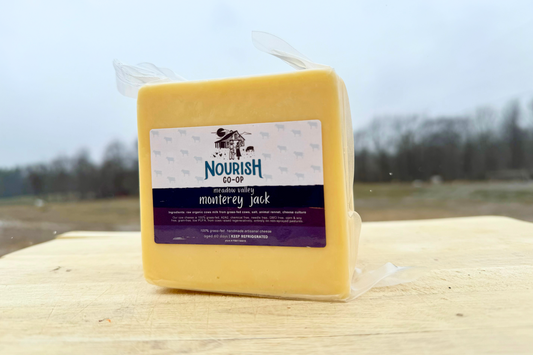
Raw
A2-A2
100% Grass Fed
1 lb
Low PUFA
Corn & Soy Free
Mobile Pasture-Raised
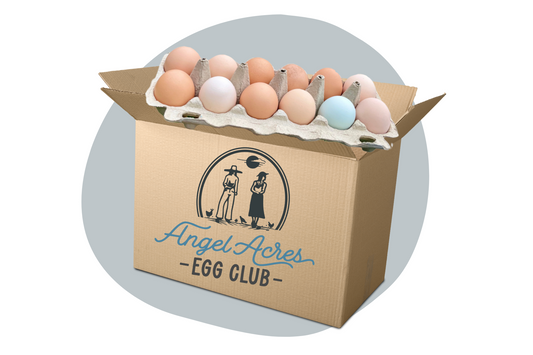
Low PUFA
Corn & Soy Free
Mobile Pasture-Raised
Heritage Petite Eggs Heritage Petite Eggs
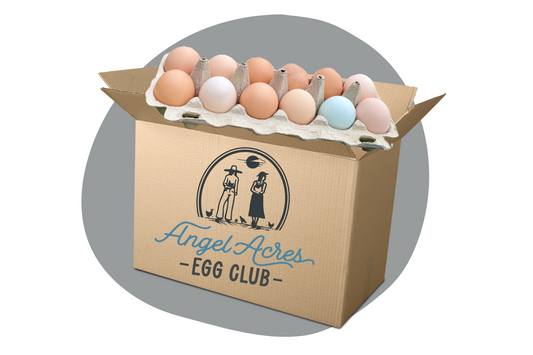
Low PUFA
Corn & Soy Free
Mobile Pasture-Raised

Low PUFA
Corn & Soy Free
Mobile Pasture-Raised
Deli Sliced Turkey Meat Deli Sliced Turkey Meat
12 oz

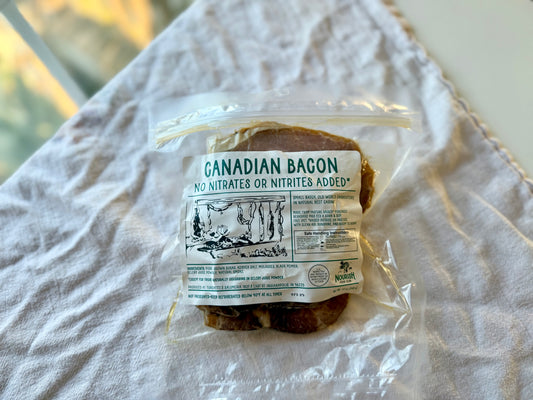
Low PUFA
Heritage Berkshire Pork
Pasture Raised
12 oz

Low PUFA
Heritage Berkshire Pork
Pasture Raised
12 oz
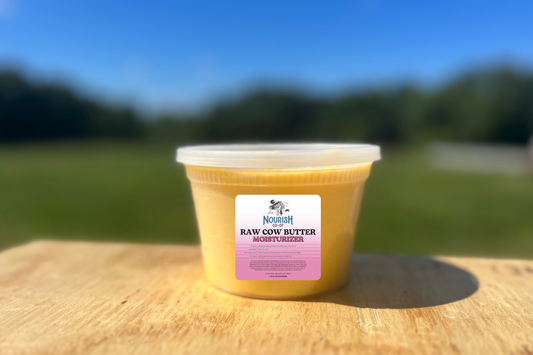

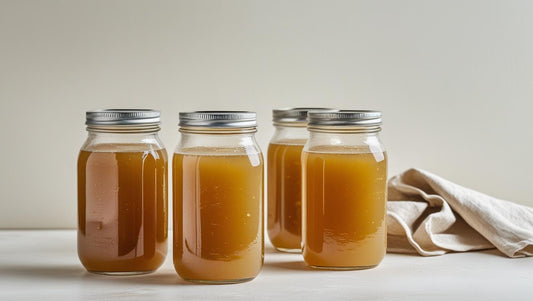
Collagen Rich
Canned in Glass
Pasture Raised
Build Your Own Broth Box Build Your Own Broth Box
4 Quarts
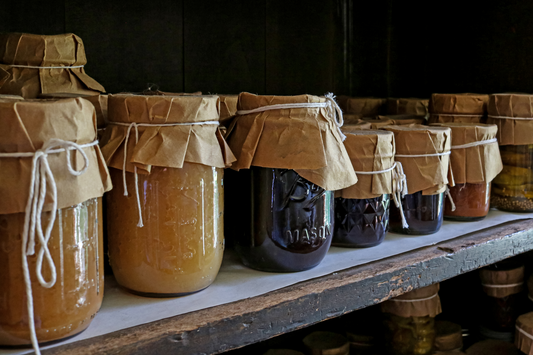
Canned in Glass
Chemical Free
GMO Free
Build Your Own Pantry Box Build Your Own Pantry Box

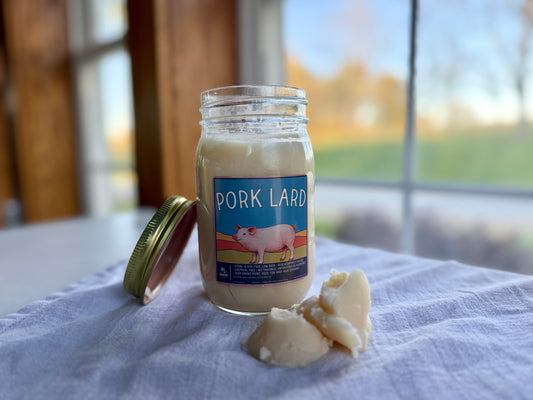
Low PUFA
Mobile Pasture-Raised
Corn & Soy Free
1 lb
Low PUFA
Corn & Soy Free
Mobile Pasture-Raised
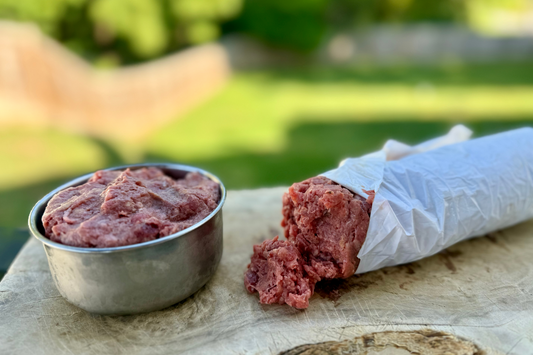
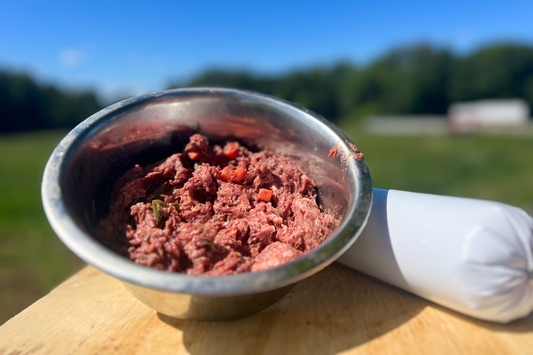
Low PUFA Whole Chicken Pet Food Grind Low PUFA Whole Chicken Pet Food Grind
2 lbs

Whole Foods
Human Grade
Oil Free
Chicken Feet Pet Treats Chicken Feet Pet Treats
8 oz

Chemical Free
Regenerative
Organic
Seasonal Produce Box Seasonal Produce Box
Quarter Bushel




better food starts with how we farm
The modern industrial food system prioritizes scale and efficiency at the cost of quality, nutrient density, farmer livelihoods, and human metabolic health.
At Nourish, we take a different approach, because how animals are raised and what they’re fed directly shapes the nutrient density and fatty acid profile of the food on your plate. And that difference shows up in how your body feels and functions.
Our food system is built on a network of small regenerative farms (not factories) producing farm-fresh food with healthier fats and greater nutrient density that supports human health while caring for the land. Because it’s not about producing more food. It’s about producing better food.
When you support Nourish, you’re not supporting a corporation: you’re supporting a family-owned business working to restore the food system, one small regenerative farm at a time.


ready to upgrade your food?

Create your account and get lifetime access to farm-fresh food for just $1.
Create your account and get lifetime access to farm-fresh food for just $1.

No confusing labels. No hidden ingredients. Just real food, raised the right way.
No confusing labels. No hidden ingredients. Just real food, raised the right way.

Better fats. Better farming. Better food.
Feel the difference.
Better fats. Better farming. Better food.
Feel the difference.