Beef Liver
Beef Liver
1 lb
100% Grass Fed
Regenerative
Needle Free
- 100% grass-fed & finished (no grain)
- Regenerative
- Rotationally grazed on diverse pastures
- Chemical free
- 'Needle-free': NO vaccines, antibiotics, hormones or dewormers
- Maximal nutrition
- Description
- Ingredients
- Standards
- Best Uses
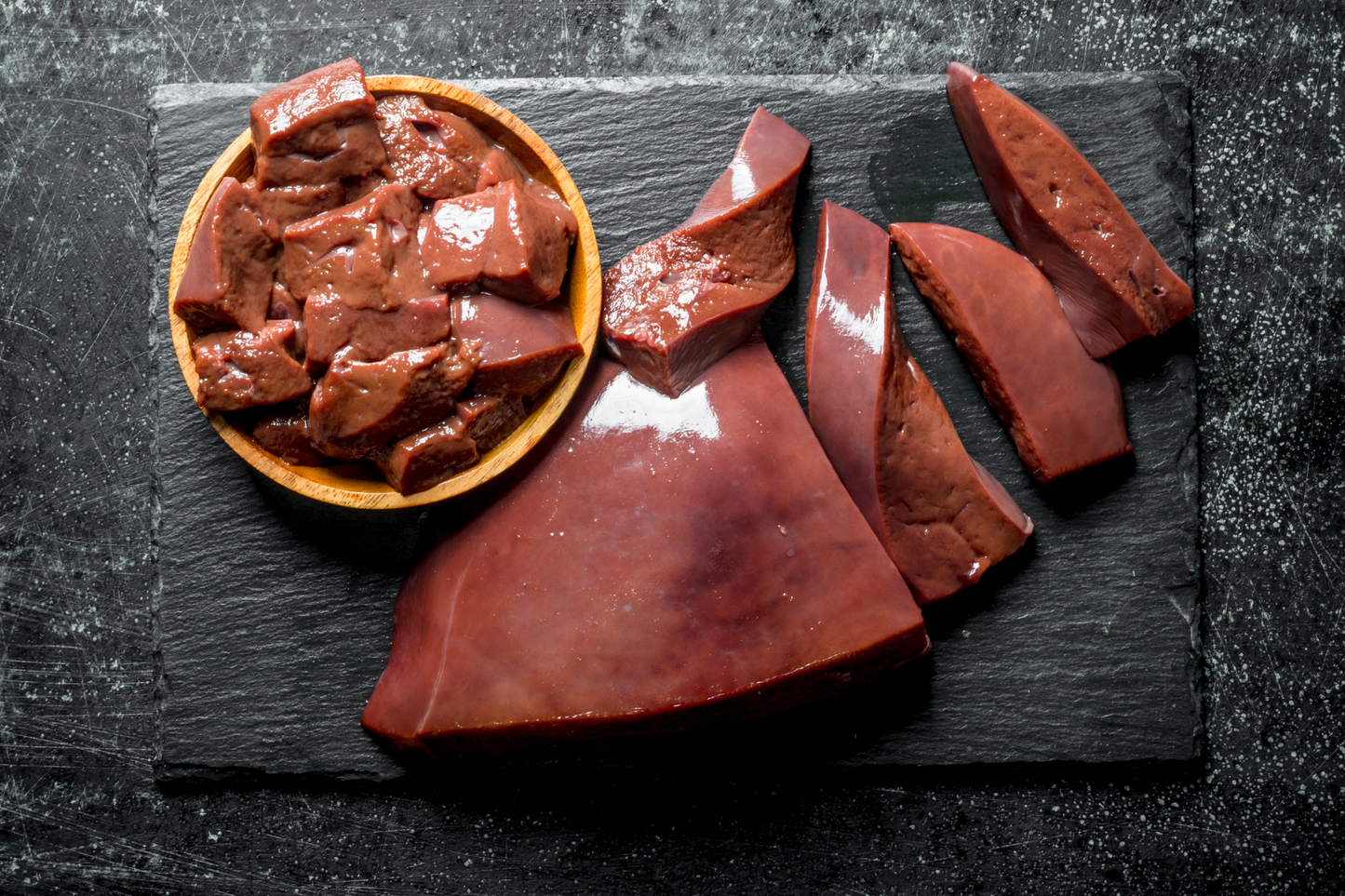
Beef liver has a distinct, rich flavor and a smooth, tender texture when cooked properly. It can be an acquired taste for some, but proper preparation AND proper sourcing from healthy animals balances its flavor.
Since liver is high in vitamin A and minerals, a little goes a long way. It’s best to eat in moderation, 1-2X per week or a few times a month, as part of a well-balanced diet.
By choosing our 100% Grass-Fed, needle-free beef liver, you’re embracing nose-to-tail eating, truly honoring the animal and making the most of every part—just like our ancestors did. Our cattle are rotationally grazed on nutrient-rich pastures and never given antibiotics, vaccines, hormones, or unnecessary chemicals—ensuring a clean, nutrient-packed offal.
Proper preparation is key to achieving the best flavor and texture. Here are a few tips:
- Soaking (optional) – To mellow the flavor and improve texture, soak liver in milk, lemon juice, or vinegar for 30 minutes to an hour before cooking.
- Quick Cooking – Liver is best cooked quickly over high heat to keep it tender and juicy. Overcooking makes it tough and dry.
- Pairing with Bold Flavors – Ingredients like caramelized onions, garlic, fresh herbs, and a splash of acidity (lemon juice, balsamic vinegar, or wine) help balance liver’s rich, earthy taste.
The following traditional recipes highlight how our ancestors recognized the nutrient density and value of liver, incorporating it into beloved dishes across cultures.
- Liver and Onions (Classic American/European) – Pan-fried liver with caramelized onions, often served with mashed potatoes.
- Liver Masala (Indian) – A flavorful curry with liver, tomatoes, and warming spices like cumin and turmeric.
- Fegato alla Veneziana (Italian) – Thinly sliced liver sautéed with onions, butter, and white wine.
- Liver Pâté (French) – A creamy spread made by blending cooked liver with butter and seasonings. Then lather on your favorite bread!
- Grilled Liver Skewers (Middle Eastern) – Marinated liver chunks grilled with aromatic spices and fresh herbs.
- Ryan G.Verified BuyerRated 5 out of 5 stars6/20/265 Stars
Holy smokes the chicken breast is so dang good
- Todd H.Verified BuyerRated 5 out of 5 stars6/18/265 Stars
Awesome
- Todd H.Verified BuyerRated 5 out of 5 stars6/18/265 Stars
Tasty…
- Julie S.Verified BuyerRated 5 out of 5 stars6/16/265 Stars
My son just came to me and said “omg can you please get that turkey again it was amazing “
- Debra B.Verified BuyerRated 5 out of 5 stars6/11/265 Stars
Real chicken. Excellent!
Farming Practices

100% Grass-Fed
Our cattle graze freely on nutrient-rich pastures, consuming the diet nature intended: grass, not grain. This supports their metabolic health and aligns with their natural physiology. In contrast, grain-fed cattle are typically confined to feedlots with limited movement and rapidly fattened on high-energy grain diets, producing meat that differs significantly from what humans historically consumed from wild ruminants.
100% grass-fed practices support healthier animals, and that quality is reflected in the meat you eat. Research shows that grain-fed cattle exhibit elevated glucose metabolites, triglycerides, and markers of oxidative stress (hallmark signs of diabetes in humans), while pasture-raised animals maintain more balanced metabolic function.
By choosing our 100% grass-fed beef, you’re getting a cleaner, more nutrient-dense product, one that more closely resembles the meat our ancestors thrived on, without the added burden of pesticides and phytoestrogen-rich feed common in conventional beef feedlot systems.

Regeneratively Raised
Not all grass-fed beef is the same, how it’s raised matters. There’s a meaningful difference between animals grazing continuously on a single pasture and those raised using rotational grazing. Rotational grazing involves moving beef daily (1-3 times) across fresh pasture, mimicking the natural movement of wild herbivores. This allows the land to recover, improves soil health, increases biodiversity, and ultimately enhances the quality of the meat.
Beef that are rotationally grazed and moved daily to fresh pasture consume a wider variety of nutrient-rich grasses, which can lead to higher levels of vitamins, minerals, and beneficial phytochemicals. These bioactive compounds are associated with anti-inflammatory and overall health-supporting properties, and their presence is directly influenced by the diversity of the animal’s diet. (Research shows none are detected in grain-fed feedlot beef).
This highlights an important point: it’s not just about grass-feeding, but how the animals are managed. While rotational grazing requires more effort, it produces healthier animals, more nutrient-dense meat, and supports a more resilient, regenerative ecosystem.

Free of Pharmaceuticals and Toxic Agrochemicals
Healthy animals don’t need pharmaceutical interventions like vaccines, antibiotics and hormones.
Our cattle are raised in optimal conditions: grazing on fresh pasture, breathing clean air, and regularly moved to new grass, ensuring they aren’t living in their own waste or exposed to toxins. This natural lifestyle eliminates the need for routine antibiotics, vaccines (including mRNA vaccines), hormones, and dewormers. In contrast, conventional feedlot cattle are confined to crowded, unsanitary conditions, requiring constant pharmaceutical support to stay healthy.
By prioritizing regenerative farming practices and animal management, our farmers raise resilient cattle that rarely get sick. Our animals experience minimal parasite exposure, no stress from confinement, and receive optimal nutrition from diverse pastures that supports their immune function and metabolic health. Our needle-free beef offers pure, wholesome meat (just as nature intended) without the pharmaceutical crutches required by industrial agriculture.
Needle free meat - free of vaccines, antibiotics, hormones & dewormers.