Corn- & Soy-Free Chicken Hearts
Corn- & Soy-Free Chicken Hearts
Low PUFA
Corn & Soy Free
Mobile Pasture-Raised
- Corn & Soy Free
- Low PUFA
- Mobile Pasture-Raised on diverse pastures
- Regenerative & Sustainable
- Maximal Nutrients
- 'Needle-free': NO vaccines, antibiotics, hormones or dewormers
- Preservative & Chemical Free
- Description
- Ingredients
- Standards
- Best Uses
Unlike conventional chicken, which is raised in factory farms with heavy antibiotic and vaccine use, our chickens are mobile pasture-raised, moved to fresh pasture daily, and never confined in industrial barns. This natural lifestyle allows them to forage for grass, bugs, and other nutrient-dense foods, resulting in superior flavor and nutrition.
Additionally, we feed our birds a one-of-a-kind, low-PUFA, corn- and soy-free diet, grown by our regenerative row crop farmers. Not only is it low in PUFAs, but it is also low in phytoestrogens and pesticides (LowPs™)—ensuring that you get the cleanest, healthiest chicken possible.
Raised in harmony with nature, our chickens are needle-free, meaning no pharmaceutical interventions are used or needed (no vaccines, antibiotics, dewormers, or hormones). The result? A superior-tasting, tender, and clean protein source you can trust.
Cooking Tips:
- Quick Sear: Cook over high heat in a skillet with butter, tallow, or ghee for a few minutes until browned on the outside but still tender inside.
- Grill or Skewer: Thread onto skewers and grill over an open flame for a smoky, charred flavor.
- Slow Cook: Simmer in stews or braises to infuse them with deep flavors and soften the texture.
- Marinate: Soak in a simple marinade (lemon juice, garlic, and herbs) to enhance their tenderness and flavor before cooking.
Traditional Recipe Ideas from Cultures Around the World!
- Brazilian Churrasco-Style (Espetinho de Coração): Marinated in garlic, olive oil, and spices, then skewered and grilled over open flames.
- Japanese Yakitori: Grilled chicken hearts brushed with a savory-sweet tare sauce (soy sauce, mirin, and sugar).
- French Coeur de Volaille Sauté: Sautéed with butter, shallots, and white wine for a rich, delicate dish.
- Russian Heart Stew: Simmered with onions, carrots, and spices for a comforting, nutrient-packed dish.

- Ryan G.Verified BuyerRated 5 out of 5 stars6/20/265 Stars
Holy smokes the chicken breast is so dang good
- Todd H.Verified BuyerRated 5 out of 5 stars6/18/265 Stars
Awesome
- Todd H.Verified BuyerRated 5 out of 5 stars6/18/265 Stars
Tasty…
- Julie S.Verified BuyerRated 5 out of 5 stars6/16/265 Stars
My son just came to me and said “omg can you please get that turkey again it was amazing “
- Debra B.Verified BuyerRated 5 out of 5 stars6/11/265 Stars
Real chicken. Excellent!
Farming Practices
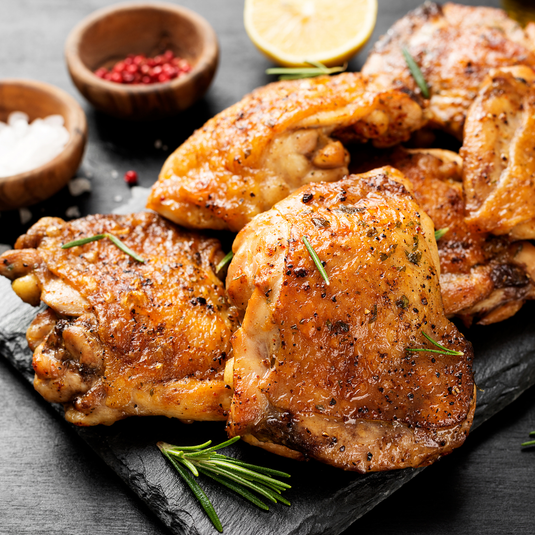
Low in PUFAs, Custom-Feed
Our chicken contains over 200% more of the health promoting Stearic Acid, and 54% less of the metabolism damaging Linoleic Acid (an Omega 6 PUFA found in seed oils).
Modern chickens contain significantly higher levels of PUFAs than they did in the past, with some sources even claiming that chicken is now the highest dietary source of linoleic acid (an omega-6 PUFA found in vegetable oils). This shift is primarily due to changes in the chicken’s diet, driven by the mass production of corn, soy, and other PUFA-rich ingredients used in conventional feed. And while pasture-raised chickens may have access to forage, they still require supplemental feed, which is often rich in PUFAs. Therefore, even pasture-raised chicken can still have high levels of omega-6 fatty acids, because what chickens eat directly impacts the types of fat and quality of meat you consume.
That's why at Nourish we’ve developed a custom-made low-PUFA, nutrient-dense corn- and soy-free feed for our birds, ensuring their meat contains lower levels of inflammatory PUFAs and higher levels of metabolism-supporting fats. Our commitment to better feed results in better health for both our chickens and our customers. Simply put, better food for our animals means better food for you!
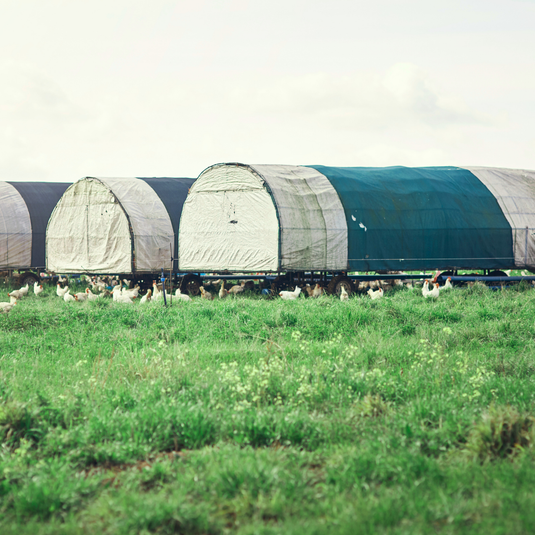
Mobile Pasture-Raised for Optimal Nutrition
Chickens raised on pasture have access to a more diverse, nutrient-rich diet, including supplemental feed, fresh grasses, plants, and insects. This variety enhances their nutrient intake, which is then reflected in the quality of the meat you consume. Pasture-raised animal products are often richer in fat-soluble vitamins. For example, vitamin D levels increase with sunlight exposure, as animals synthesize it in their skin and store it in their fat. Vitamin K2 levels are also influenced by diet, with grass-fed animals typically containing higher amounts of this essential nutrient. Truly pasture-raised animals may also contain higher levels of beneficial compounds like polyphenols, which support gut and overall health.
In contrast, animals raised in confinement are limited to a uniform feed source, resulting in a less diverse nutrient profile and a less nutrient-dense final product.
At Nourish, we take this a step further through mobile pasture-based practices. Our chickens are moved daily to fresh pasture, ensuring continuous access to new grasses and insects while preventing overgrazing. Unlike the loosely defined “pasture-raised” label, this system protects soil health, preserves vegetation, and supports a more natural environment for the animals. The result is healthier chickens, more sustainable land use, and ultimately, more nutrient-dense food for you.
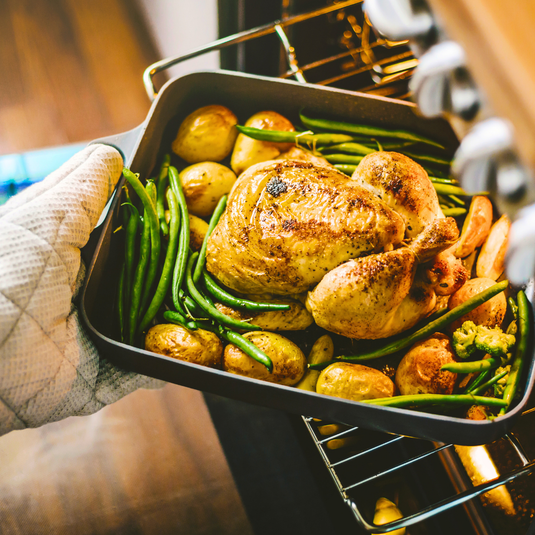
Healthier Chickens, Free of Pharmaceuticals
Healthy animals don’t need pharmaceutical crutches. Our chickens are raised in optimal conditions: mobile pasture-raised with daily access to fresh grass, clean air, and space to express their natural instincts. Unlike confined birds that require constant antibiotic interventions due to poor living conditions, our chickens aren’t trapped in their own waste or exposed to airborne toxins. Instead, they breathe fresh air, forage freely, and benefit from nutrient-rich grasses that support their gut and immune health. While chickens can’t survive on grass alone, regular access to fresh pasture provides key nutrients and fiber, promoting overall well-being.
This natural lifestyle eliminates the need for routine antibiotics, vaccines (including mRNA vaccines), hormones, and dewormers. Industrial chickens, crammed into barns or cages, rely on daily antibiotics in their water and an aggressive vaccine schedule just to survive. In contrast, our pasture-raised chickens exercise more, experience less stress, and develop stronger immune systems, resulting in healthier meat with superior nutrient density. By prioritizing regenerative farming, we raise resilient chickens that rarely get sick, avoiding the pharmaceutical dependence of conventional poultry production.