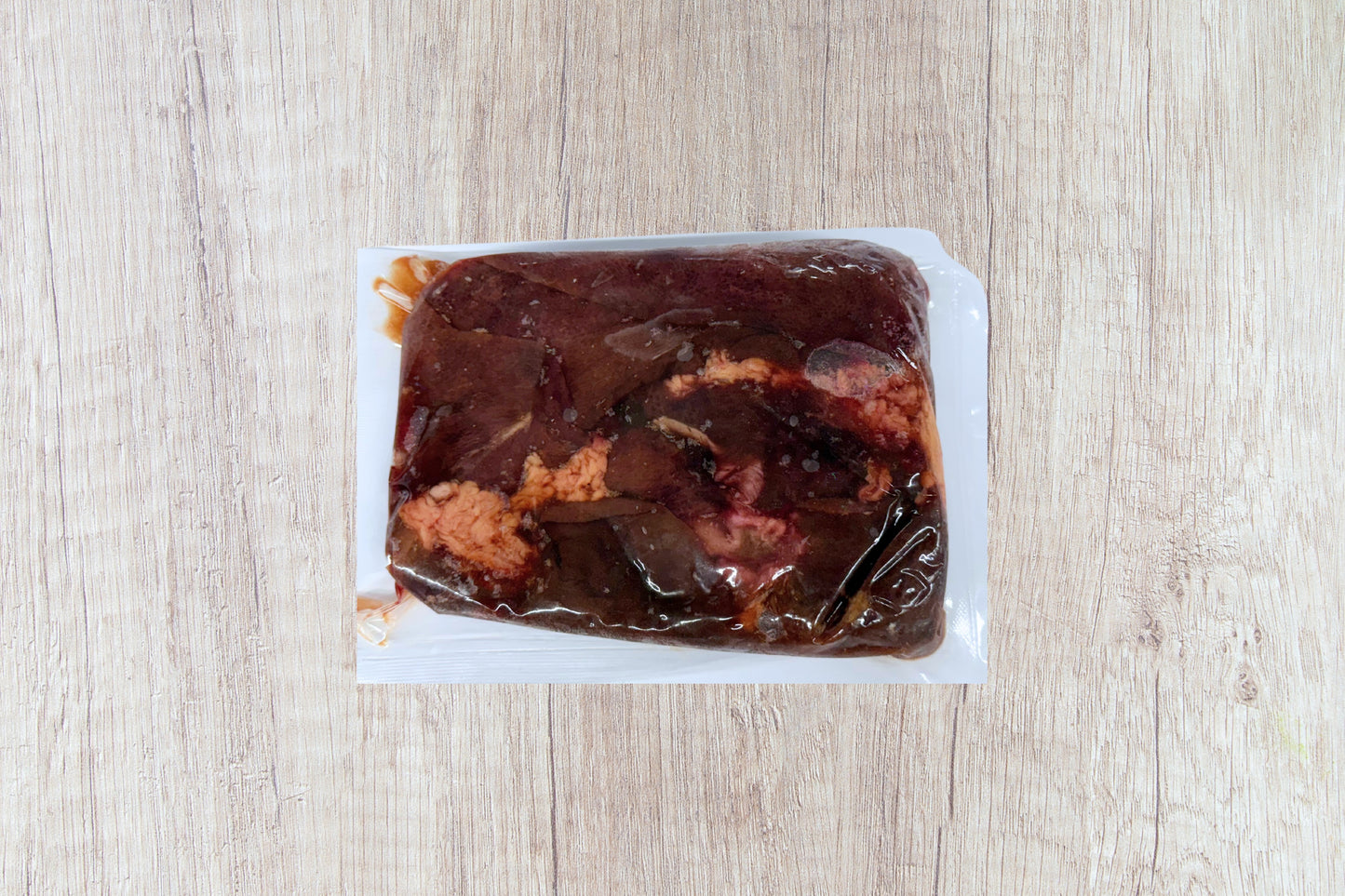
Meishan Pork Liver
Meishan Pork Liver
1 lb

Meishan Pork Liver
Meishan Pork Liver
1 lb
Heritage Breed
Low PUFA
Corn & Soy Free
- Heritage Meishan Breed (Seasonal Offering Only)
- Corn & Soy Free
- Low PUFA
- Mobile Pasture-Raised on diverse pastures
- Regenerative & Sustainable
- Chemical free
- 'Needle-free': NO vaccines, antibiotics, hormones or dewormers
- Maximal nutrition
- Description
- Ingredients
- Standards
- Best Uses
The nutrient content and fat profile of our pork liver are shaped by how the hogs are raised and what they eat. Our Heritage Meishan pigs are mobile pasture-raised, rotated to fresh grass, and given access to a diverse range of natural forages. This varied diet contributes to a richer nutrient profile, ensuring the liver is packed with essential vitamins and minerals.
While Meishans are slow growers relative to modern pig breeds (meaning Meishans require significantly more feed, more time to grow, and more hands-on care) their gentle nature and exceptional meat quality make them a rare, highly valued breed absolutely worth preserving.
👉 Meishans produce dark, rich, incredibly flavorful pork that melts in your mouth… the color almost looks like beef!
The Meishan pigs are raised at Angel Acres farm and are mobile, pasture-raised. Meaning, the pigs have the space to roam freely and practice natural behaviors, promoting higher collagen development than pigs confined to barns. This results in a roast that’s not only more tender but also richer in beneficial collagen.
Our pigs forage naturally on diverse pastures, eating grasses, roots, and insects, which enhances the nutrient profile of the meat with essential vitamins and minerals that barn-raised pork simply can’t provide. Our pork contains higher levels of Vitamin K2, crucial for bone health, heart function, and energy production, along with Vitamin D, which supports immunity and overall well-being through natural sun exposure.
Additionally, the diverse plant intake leads to more phytochemicals in the meat, improving the taste and making it far superior to the conventional options you find in stores.
It's important to note that even pasture-raised pigs require a supplemental feed, typically high in corn and soy, which contributes to unhealthy levels of PUFAs (polyunsaturated fats). But we do things differently. Our pigs are fed a custom-made, corn- and soy-free, low-PUFA feed, promoting a healthier fat profile rich in saturated fats and significantly lower in unsaturated fats. This feed is designed to support your metabolic health and deliver optimal nutrition. Plus, our pork is low in phytoestrogens and pesticides (LowPs™), so you can enjoy the cleanest, healthiest pork without worrying about harmful endocrine disruptors.
Indulge in the difference that comes from heritage pasture-raised pork: more flavor, better fats, and richer nutrition. Taste the difference today!
- Soaking (optional): To mellow the flavor and improve texture, soak liver in milk, lemon juice, or vinegar for 30 minutes to an hour before cooking.
- Quick Cooking: Liver is best cooked quickly over high heat to keep it tender and juicy. Overcooking makes it tough and dry.
- Pairing with Bold Flavors: Ingredients like caramelized onions, garlic, fresh herbs, and a splash of acidity (lemon juice, balsamic vinegar, or wine) help balance liver’s rich, earthy taste.
The following traditional recipes highlight how our ancestors recognized the nutrient density and value of liver, incorporating it into beloved dishes across cultures:
- Liver and Onions (Classic American/European): Pan-fried pork liver with caramelized onions, often served with mashed potatoes.
- Liver Masala (Indian): A flavorful curry with liver, tomatoes, and warming spices like cumin and turmeric.
- Fegato alla Veneziana (Italian): Thinly sliced pork liver sautéed with onions, butter, and white wine.
- Liver Pâté (French): A creamy spread made by blending cooked liver with butter and seasonings, perfect for spreading on your favorite bread!
- Grilled Liver Skewers (Middle Eastern): Marinated pork liver chunks grilled with aromatic spices and fresh herbs.
Meishan Pork Liver Reviews
Wonderful
Andrea
03/29/2025
Farming Practices
Low in PUFAs, Custom-Feed
Modern pork contains significantly higher levels of PUFAs than it did in the past, with conventional pork now containing the same amount of PUFAs as canola oil, definitely not ideal for strong metabolisms! This shift is largely driven by changes in the pig’s diet, specifically the mass production of corn, soy, distiller grains, and other PUFA-rich ingredients used in conventional feed. While pasture-raised pigs may have access to more natural grazing, they still require supplemental feed, which is often rich in PUFAs. As a result, even pasture-raised pork can still have elevated levels of omega-6 fatty acids, as the pigs’ diet directly influences the fat composition of their meat.
At Nourish, we’ve taken a different approach. We’ve developed a custom-made low-PUFA, nutrient-dense corn- and soy-free feed for our pigs, ensuring their meat is rich in metabolism-supporting fats and lower in inflammatory PUFAs. Our focus on better feed practices leads to healthier pigs and better food for you, with lab testing to back it up.
Simply put, better food for our animals means better food for you!

Mobile Pasture-Raised for Optimal Nutrition
Pigs raised on pasture have access to a more diverse, nutrient-rich diet, including supplemental feed, fresh grasses, plants, and insects. This variety enhances their nutrient intake, which is then reflected in the quality of the meat you consume. Pasture-raised animal products are often richer in fat-soluble vitamins. For example, vitamin D levels increase with sunlight exposure, as animals synthesize it in their skin and store it in their fat. Vitamin K2 levels are also influenced by diet, with grass-fed animals typically containing higher amounts of this essential nutrient. Truly pasture-raised animals may also contain higher levels of beneficial compounds like polyphenols, which support gut and overall health.
In contrast, animals raised in confinement are limited to a uniform feed source, resulting in a less diverse nutrient profile and a less nutrient-dense final product.
At Nourish, we take this a step further through mobile pasture-based practices. Our pigs are regularly moved to fresh pasture, ensuring continuous access to new grasses and insects while preventing overgrazing. Unlike the loosely defined “pasture-raised” label, this system protects soil health, preserves vegetation, and supports a more natural environment for the animals. The result is healthier pigs, more sustainable land use, and ultimately, more nutrient-dense food for you.

Healthier Pigs, Free of Pharmaceuticals
Healthy animals don’t need pharmaceutical crutches. Our pigs are raised in optimal conditions: mobile pasture-raised with daily access to fresh grass, clean air, and space to move and express their natural instincts. Unlike confined pigs that require constant antibiotic interventions due to poor living conditions, our pigs aren’t trapped in their own waste or exposed to airborne toxins. Instead, they breathe fresh air, forage freely, and benefit from nutrient-rich grasses that support their gut and immune health. While pigs can’t survive on grass alone, regular access to fresh pasture provides key nutrients and fiber, promoting overall well-being.
This natural lifestyle eliminates the need for routine antibiotics, vaccines (including mRNA vaccines), hormones, and dewormers. Industrial pigs, crammed into barns or cages, rely on daily antibiotics in their water and an aggressive vaccine schedule just to survive. In contrast, our pasture-raised pigs exercise more, experience less stress, and develop stronger immune systems, resulting in healthier meat with superior nutrient density. By prioritizing regenerative farming, we raise resilient pigs that rarely get sick, avoiding the pharmaceutical dependence of conventional hog production.