Turkey Red Wheat Flour
Turkey Red Wheat Flour
5 lb

Turkey Red Wheat Flour
Turkey Red Wheat Flour
5 lb
Heritage Wheat
Chemical Free
GMO Free
- Freshly Milled
- Heritage Wheat
- Pesticide Free, Glyphosate Free
- Regeneratively Grown
- Stone-Milled for Maximum Nutrition
- Non-GMO
- Unbleached & Unbromated
- No Synthetic Additives, Not Fortified
- Bagged in Cotton, Not Plastic
- Price Includes Shipping, Shipped Separate
- Description
- Ingredients
- Standards
- Best Uses
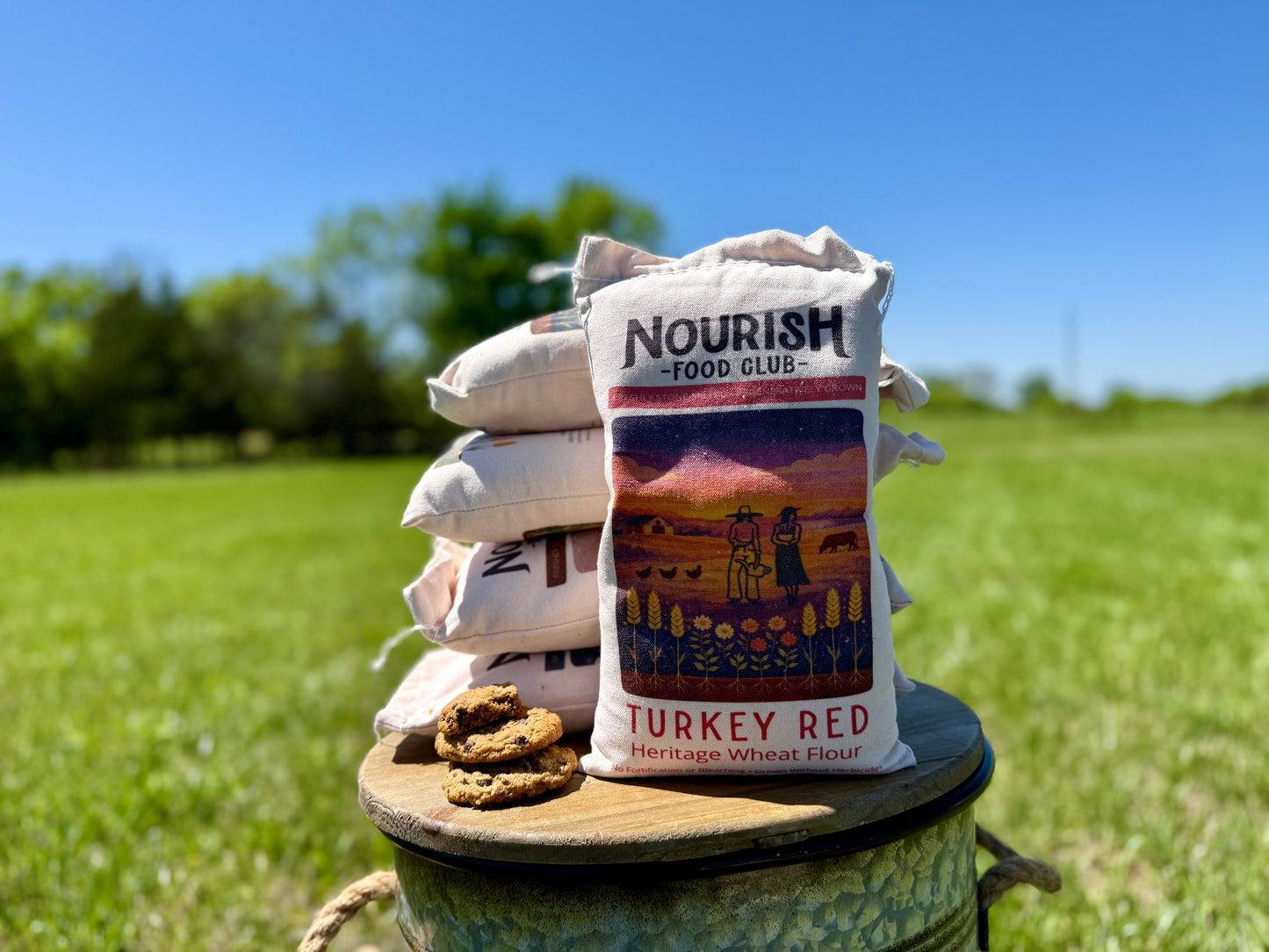
A historic heritage wheat brought from Russia to the American Midwest by Mennonite farmers in the late 1800s, Turkey Red helped turn the plains of Kansas into America’s breadbasket.
With its nutty, slightly sweet flavor and warm golden hue, Turkey Red lends a hearty, wholesome character to breads and baked goods, a true taste of rustic prairie charm and America’s early breadmaking heritage.
Grown regeneratively without pesticides or genetic manipulation and stone-milled the old-fashioned way, this flour preserves the grain’s full flavor, aroma, and nutrients.
Bagged in cotton, and never fortified, bromated, or bleached.
This is grain your ancestors would recognize.
Breads
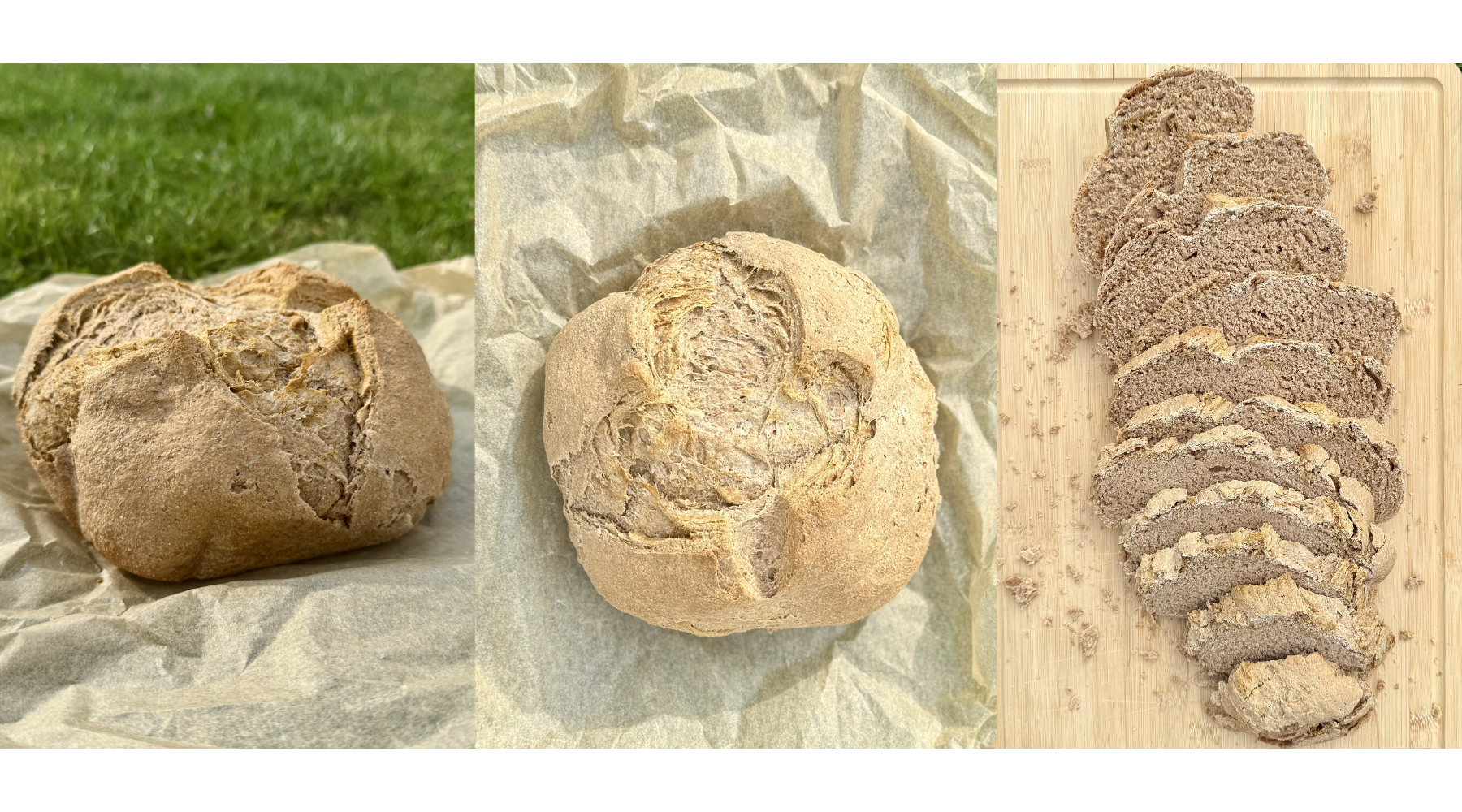
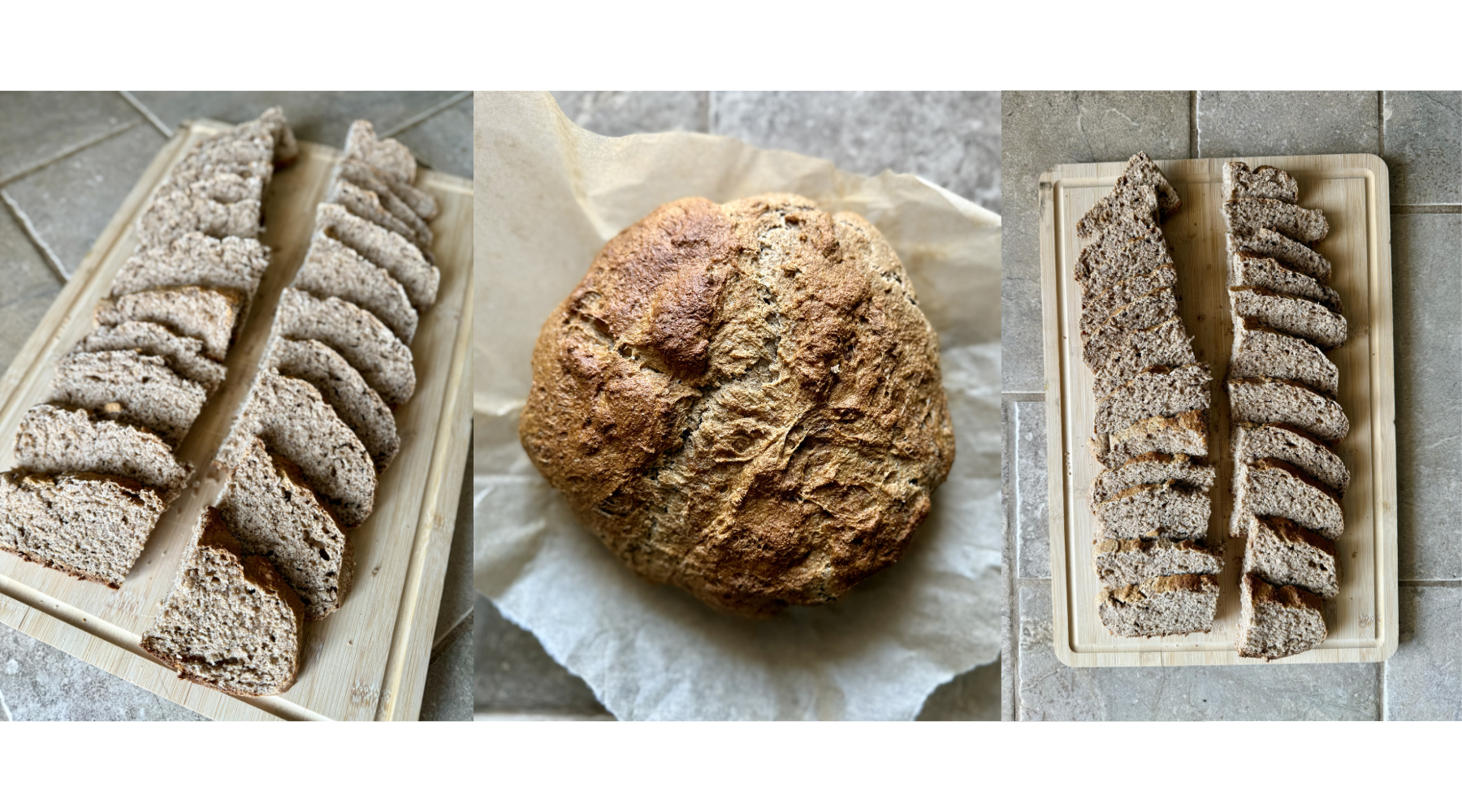
- Rustic prairie breads – dense, chewy loaves reflecting early American wheat baking.
- Sourdough and yeast-leavened loaves – excellent for sandwich and artisan breads.
- Dinner rolls and sandwich rolls – tender yet hearty.
Breakfast & Porridge
- Biscuits and quick breads – slightly nutty flavor and richer crumb.
Savory Items
- Pizza dough – strong gluten produces a chewy, flavorful base.
Specialty Uses
- Blended artisan breads – pairs well with lighter flours to balance structure and tenderness.
Recipes Using This Product
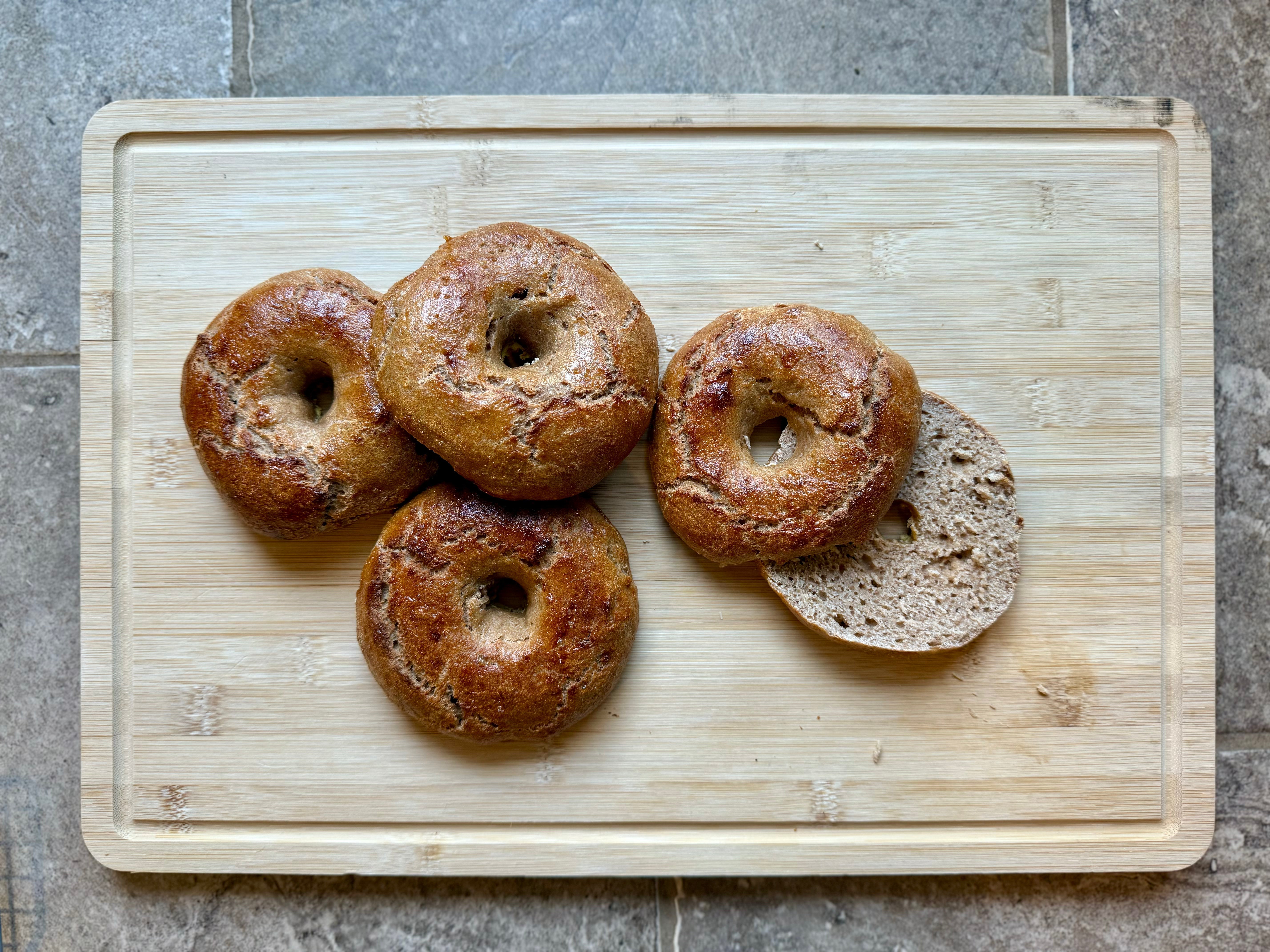

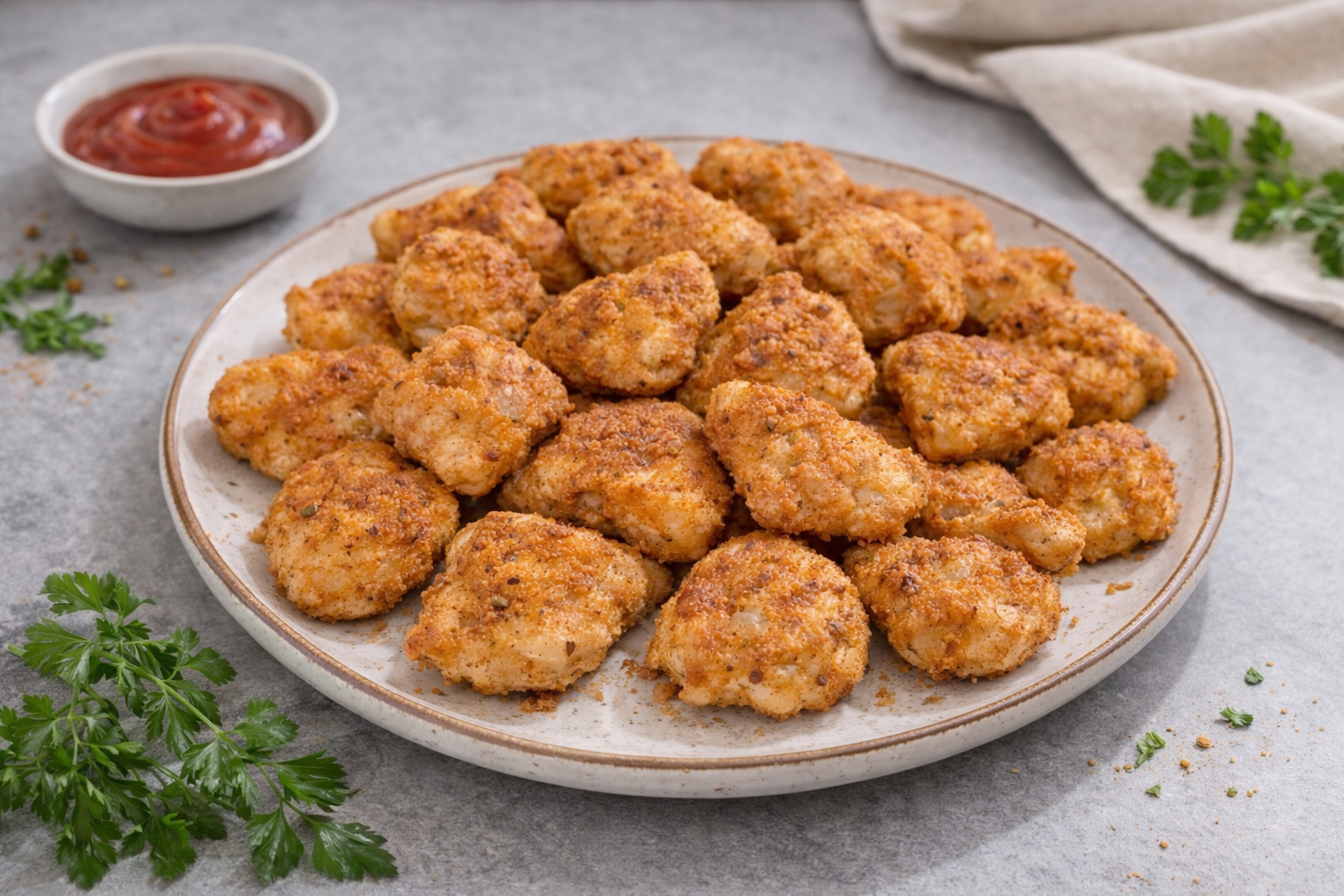
Farming Practices

Regeneratively Grown Heritage Wheat & Ancient Grains
The wheat we eat today is quite different from the heritage varieties our ancestors relied on. Over the last century, wheat has been bred for higher yields, disease resistance, and compatibility with industrial processing, rather than for nutritional value or digestibility. These modern varieties can contain fewer nutrients and altered protein structures, making them harder for many people to digest.
At the same time, pesticide use has increased, including the common practice of pre-harvest desiccation, where wheat is sprayed with glyphosate shortly before harvest to accelerate drying. This means pesticide residues can end up in our flour and daily bread, compromising digestive health and impacting your gut microbiome.
At Nourish Food Club, we take a different approach. We use heritage wheat and ancient grains grown without pesticides by regenerative farmers, preserving the traditional wheat varieties our ancestors ate. These grains are not only more nutrient-dense, but often easier to digest. Cultivated in harmony with the land, they help restore soil health and biodiversity while producing cleaner, higher-quality flour.
The result is flour that honors the past: offering better flavor, improved digestibility, and greater nutritional value.

Pure, Unadulterated Flour
Walk down any bread and flour aisle and you’ll see “enriched flour” listed as a staple ingredient. While it sounds beneficial, it actually reflects a highly processed system: modern flour is stripped of its natural nutrients through harsh roller milling, then fortified with synthetic, isolated nutrients. This often includes iron filings and synthetic B vitamins like folic acid, which can disrupt the body’s natural nutrient balance.
Many commercial flours are also bromated (treated with potassium bromate to strengthen dough for industrial baking) a compound banned in several countries due to concerns over carcinogenic residues. Commercial flour is also commonly bleached using chemicals such as chlorine gas or benzoyl peroxide to whiten the flour and alter its protein structure. This process not only changes the appearance but further degrades the natural integrity of the grain and exposes us to more chemical residues.
We choose a different approach, returning to grains your ancestors would recognize. Our heritage wheat flour is free from synthetic fortification, bleaching, and bromation. Instead, it is freshly stone-milled, delivering flour in its most natural, nutrient-dense form.

Stone-Milled for Maximal Nutrients
Once harvested, grains must be milled into flour. While modern roller mills dominate industrial production, we choose the time-honored method of stone milling to preserve the integrity of the grain.
Stone milling is a slower, traditional process that grinds whole grains between two large stones. Unlike high-speed roller mills, which strip away the bran and germ to produce ultra-refined white flour, stone milling retains the full grain, preserving its natural vitamins, minerals, and flavor.
Because stone mills generate less heat, delicate nutrients remain intact. The result is a flour with more texture, depth, and character. Many bakers and home cooks find that stone-milled flour produces better-tasting sourdough and baked goods with a more satisfying, hearty bite.
At Nourish, we are committed to methods that respect both tradition and nutrition. Our flour is freshly stone-milled and lab tested to contain more nutrients than modern refined white flour.
Rather than attempting to rebuild what was removed, we keep the grain whole, delivering flour in its most natural, nutrient-dense form.