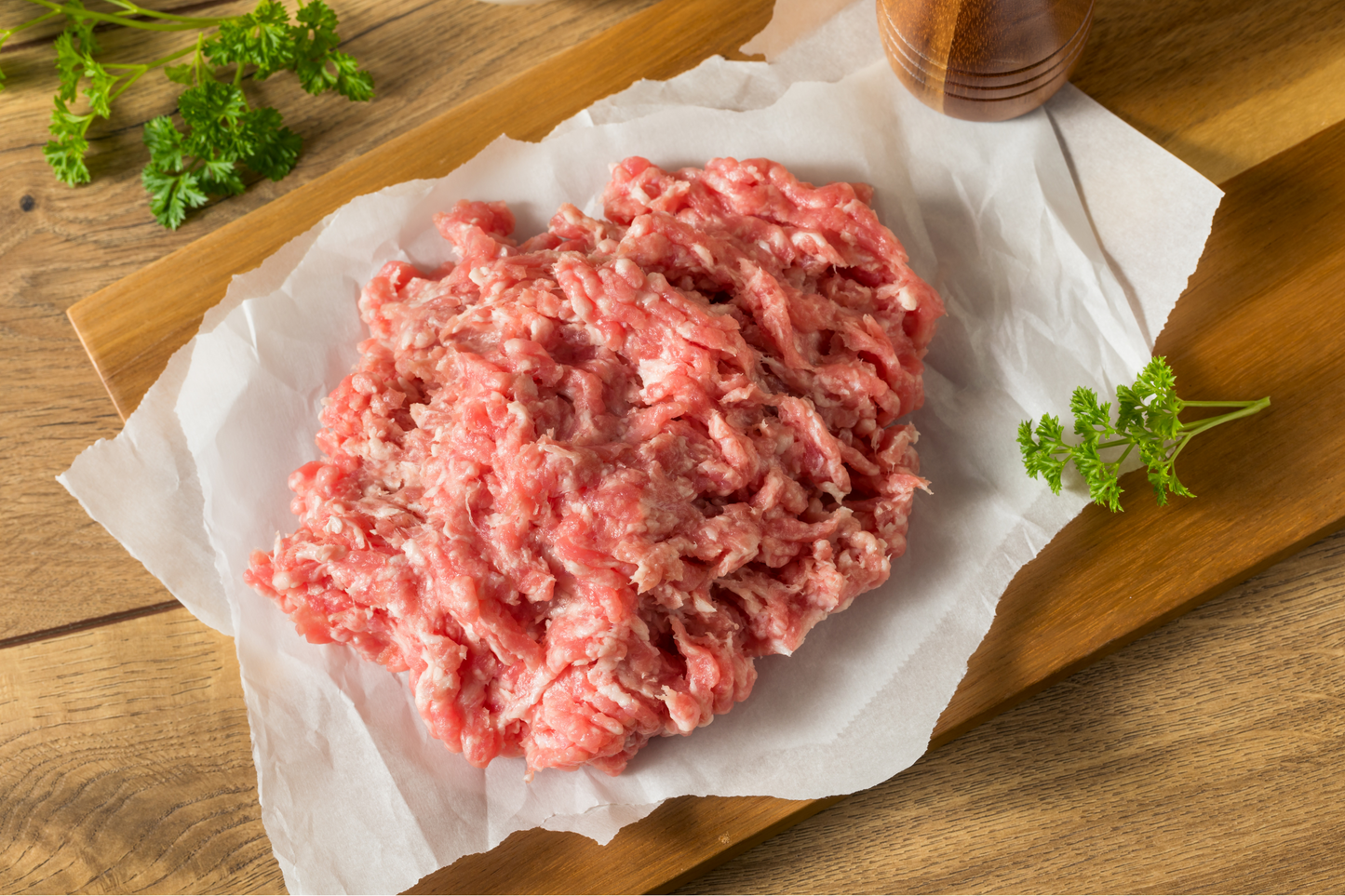
Ground Pork
Ground Pork
1 lb
Low PUFA
Corn & Soy Free
Mobile Pasture-Raised
- Corn & Soy Free
- Low PUFA
- Mobile Pasture-Raised on diverse pastures
- Regenerative & Sustainable
- Chemical free
- 'Needle-free': NO vaccines, antibiotics, hormones or dewormers
- Maximal nutrition
- Description
- Ingredients
- Standards
- Best Uses
The fat content of pork is directly influenced by what the hogs eat—a factor that has changed dramatically with the rise of conventional agriculture. Most pigs today are fed high-PUFA (polyunsaturated fat) diets that can alter the fatty acid composition of the meat.
We do things differently. Our hogs are raised on a custom-made, corn- and soy-free, low-PUFA feed. This carefully crafted feed promotes a healthier fat profile, rich in saturated fats while significantly lower in unsaturated fats, designed to support metabolic health and optimal nutrition. Not only is it low in PUFAs, but it is also low in phytoestrogens and pesticides (LowPs™)—reducing your exposure to endocrine disrupting compounds, and ensuring that you get the cleanest, healthiest pork possible.
But feed is just one part of the equation. Our hogs thrive on diverse pastures, where they naturally forage on grasses, roots, and insects—enhancing their nutrient profile in ways barn-raised pigs simply can’t – truly pasture-raised pork contains higher levels of Vitamin K2, crucial for calcium metabolism, heart health, energy production and strong bones, and Vitamin D, which is naturally increased through sun exposure, benefiting overall immunity and well-being.
Raised in harmony with nature, our hogs are needle-free, meaning no pharmaceutical interventions are used or needed (no vaccines, antibiotics, hormones, or dewormers).
The result? Ground pork that isn’t just food—it’s a return to the way pork was meant to be. Rich, flavorful, nutrient-dense, and crafted with your health in mind.
Here are some of the best ways to enjoy it:
Breakfast Favorites
- Savory Breakfast Hash – Sauté ground pork with potatoes, onions, and peppers for a hearty start to the day.
- Pork & Egg Scramble – Cook ground pork with garlic and spices, then fold into scrambled eggs for a protein-packed breakfast.
- Homemade Breakfast Sausage – Season with sage, black pepper, and a touch of maple for flavorful sausage patties.
Comforting Classics
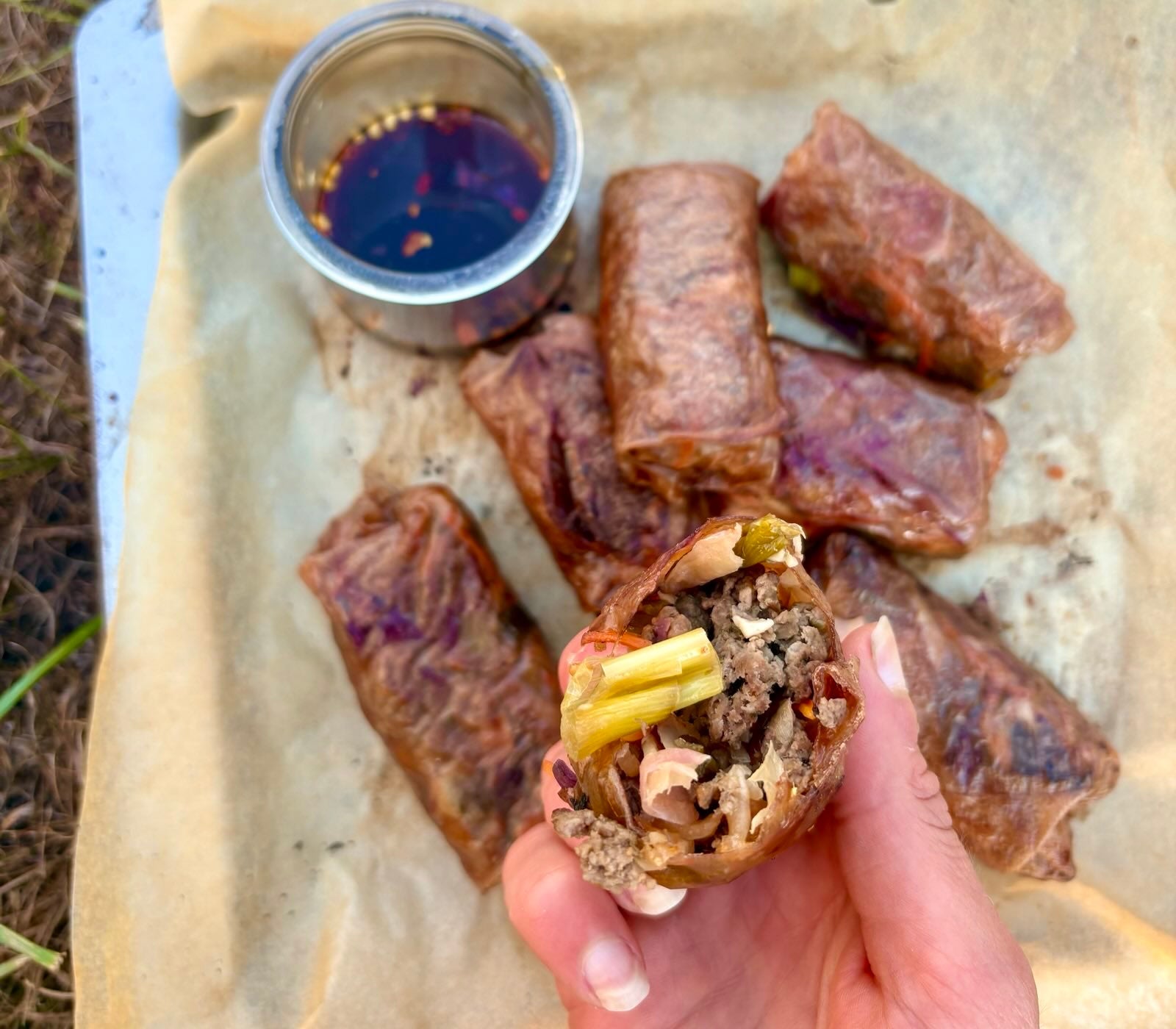
- Savory Meatballs – Blend with herbs, garlic, and parmesan for Italian-style meatballs, or add ginger and scallions for an Asian-inspired twist.
- Rich Pork Gravy – Simmer browned ground pork with broth and seasonings for a flavorful gravy over biscuits, potatoes, or roasted vegetables.
- Stuffed Peppers – Mix with rice, tomatoes, and spices for a hearty, oven-baked meal.
Quick & Easy Dinners
- Hearty Stir-Fries – Sauté with ginger, garlic, and vegetables, then toss with a simple coconut aminos glaze.
- Tacos & Lettuce Wraps – Brown with cumin, chili powder, and lime for the perfect taco filling or lettuce wrap.
- Pork & Cabbage Skillet – A simple, nutrient-dense one-pan dish with shredded cabbage and coconut aminos.
- Ryan G.Verified BuyerRated 5 out of 5 stars6/20/265 Stars
Holy smokes the chicken breast is so dang good
- Todd H.Verified BuyerRated 5 out of 5 stars6/18/265 Stars
Awesome
- Todd H.Verified BuyerRated 5 out of 5 stars6/18/265 Stars
Tasty…
- Julie S.Verified BuyerRated 5 out of 5 stars6/16/265 Stars
My son just came to me and said “omg can you please get that turkey again it was amazing “
- Debra B.Verified BuyerRated 5 out of 5 stars6/11/265 Stars
Real chicken. Excellent!
Recipes Using This Product

Farming Practices
Low in PUFAs, Custom-Feed
Modern pork contains significantly higher levels of PUFAs than it did in the past, with conventional pork now containing the same amount of PUFAs as canola oil, definitely not ideal for strong metabolisms! This shift is largely driven by changes in the pig’s diet, specifically the mass production of corn, soy, distiller grains, and other PUFA-rich ingredients used in conventional feed. While pasture-raised pigs may have access to more natural grazing, they still require supplemental feed, which is often rich in PUFAs. As a result, even pasture-raised pork can still have elevated levels of omega-6 fatty acids, as the pigs’ diet directly influences the fat composition of their meat.
At Nourish, we’ve taken a different approach. We’ve developed a custom-made low-PUFA, nutrient-dense corn- and soy-free feed for our pigs, ensuring their meat is rich in metabolism-supporting fats and lower in inflammatory PUFAs. Our focus on better feed practices leads to healthier pigs and better food for you, with lab testing to back it up.
Simply put, better food for our animals means better food for you!

Mobile Pasture-Raised for Optimal Nutrition
Pigs raised on pasture have access to a more diverse, nutrient-rich diet, including supplemental feed, fresh grasses, plants, and insects. This variety enhances their nutrient intake, which is then reflected in the quality of the meat you consume. Pasture-raised animal products are often richer in fat-soluble vitamins. For example, vitamin D levels increase with sunlight exposure, as animals synthesize it in their skin and store it in their fat. Vitamin K2 levels are also influenced by diet, with grass-fed animals typically containing higher amounts of this essential nutrient. Truly pasture-raised animals may also contain higher levels of beneficial compounds like polyphenols, which support gut and overall health.
In contrast, animals raised in confinement are limited to a uniform feed source, resulting in a less diverse nutrient profile and a less nutrient-dense final product.
At Nourish, we take this a step further through mobile pasture-based practices. Our pigs are regularly moved to fresh pasture, ensuring continuous access to new grasses and insects while preventing overgrazing. Unlike the loosely defined “pasture-raised” label, this system protects soil health, preserves vegetation, and supports a more natural environment for the animals. The result is healthier pigs, more sustainable land use, and ultimately, more nutrient-dense food for you.

Healthier Pigs, Free of Pharmaceuticals
Healthy animals don’t need pharmaceutical crutches. Our pigs are raised in optimal conditions: mobile pasture-raised with daily access to fresh grass, clean air, and space to move and express their natural instincts. Unlike confined pigs that require constant antibiotic interventions due to poor living conditions, our pigs aren’t trapped in their own waste or exposed to airborne toxins. Instead, they breathe fresh air, forage freely, and benefit from nutrient-rich grasses that support their gut and immune health. While pigs can’t survive on grass alone, regular access to fresh pasture provides key nutrients and fiber, promoting overall well-being.
This natural lifestyle eliminates the need for routine antibiotics, vaccines (including mRNA vaccines), hormones, and dewormers. Industrial pigs, crammed into barns or cages, rely on daily antibiotics in their water and an aggressive vaccine schedule just to survive. In contrast, our pasture-raised pigs exercise more, experience less stress, and develop stronger immune systems, resulting in healthier meat with superior nutrient density. By prioritizing regenerative farming, we raise resilient pigs that rarely get sick, avoiding the pharmaceutical dependence of conventional hog production.