Sweet Potato Variety Box
Sweet Potato Variety Box
25-28 lbs

Sweet Potato Variety Box
Sweet Potato Variety Box
25-28 lbs
Chemical Free
Regenerative
Organic
- Chemical Free
- Beyond Organic
- Hand-Harvested
- Farm to door
- Sustainably Grown
- No APEEL
- Description
- Ingredients
- Standards
- Best Uses
Grown on small regenerative farms using permaculture principles and chemical-free methods, our non GMO, Organic sweet potatoes thrive in nutrient-rich soil, naturally developing their deep sweetness, vibrant hues, and optimal nutrient content.
Sweet potatoes are high in Vitamin C, Potassium, B Vitamins (like B5, B6, and folate), manganese, and anti-inflammatory phytonutrients. Plus they are an excellent energy source!
For centuries, traditional cultures around the world have revered sweet potatoes for their healing properties and health benefits. In Traditional Chinese Medicine, they are considered a warming food that strengthens digestion, supports circulation, and nourishes the body’s vital energy (Qi). In Ayurveda, they are grounding and nourishing, while promoting longevity and digestive health. Indigenous American and African traditions honor them as a sacred, sustaining food, known for supporting gut health, pregnancy, and overall vitality. In Okinawa, they are a staple of the longevity diet, valued for blood sugar regulation and disease prevention. Native Andean cultures have used them for stamina, immune support, recovery, and digestive healing.
Across these traditions, sweet potatoes are seen as deeply nourishing, easy to digest, and beneficial for energy, gut health, and longevity. Their vibrant colors—orange, yellow, white, and purple—signal different plant compounds that support immune function, brain health, and overall well-being.
What’s Inside the Box?
A hand-selected assortment of four premium sweet potato varieties, each bringing its own distinct flavor, texture, and versatility:
- Covington – Classic orange-fleshed, copper-skinned sweet potato with a rich, smooth texture. Naturally sweet and even sweeter when roasted or baked.
- Japanese Sweet Potato – Deep purple skin with a creamy, pale yellow interior. Dense, starchy texture with a rich, chestnut-like sweetness.
- Bonita – A light tan-skinned, creamy white-fleshed variety with a smooth, velvety texture and subtle buttery sweetness.
- Purple Majesty – A striking purple-on-purple variety with a mildly sweet, earthy flavor and dense, creamy texture.
Check out the “Best Uses” tab for our cooking tips and recipe inspiration!
Hand-harvested from small regenerative farms, this box is your gateway to farm-fresh, nutrient-dense, and deeply flavorful sweet potatoes—grown sustainably for a healthier you and a healthier planet.
Sweet potatoes are a storage crop, and our ancestors relied on them for winter sustenance! When kept in a cool, dark, and dry place (ideally 45-65°F), they can last all season long—naturally preserving their sweetness for months.
1. Covington (Classic Orange Sweet Potato)
Best Preparation Methods: Roasting, baking, mashing, or making fries.
- Recipe Ideas:
Roasted Covington Sweet Potato Wedges with cinnamon and butter
Classic Sweet Potato Mash with cream and nutmeg
Sweet Potato Casserole
Sweet Potato Pancakes for a nutrient-dense breakfast
2. Japanese Sweet Potato (Satsumaimo – Purple Skin, Yellow Flesh)
- Best Preparation Methods: Roasting, baking, steaming.
- Recipe Ideas:
Slow-Roasted Japanese Sweet Potatoes with butter
Steamed and served with a drizzle of raw honey, and a dash of salt and cinnamon
Baked Japanese Sweet Potato with coconut oil and cinnamon
Sweet Potato Tempura for a crispy, savory treat (fried in ghee or coconut oil)
3. Bonita (White Sweet Potato)
- Best Preparation Methods: Mashing, roasting, or frying.
- Recipe Ideas:
Creamy Mashed Sweet Potatoes with garlic and butter
Roasted Sweet Potato Cubes with herbs
Sweet Potato Hash with caramelized onions and sausage
Bonita Sweet Potato Fries with a smoky paprika seasoning
4. Purple Majesty (Purple Skin & Flesh Sweet Potato)
- Best Preparation Methods: Steaming, roasting, or boiling.
- Recipe Ideas:
Steamed Purple Sweet Potato with coconut milk and honey
Purple Sweet Potato Gnocchi with sage butter
Roasted Purple Sweet Potato Salad with citrus vinaigrette
Purple Sweet Potato Pie for a unique, nutrient-rich dessert

Farming Practices
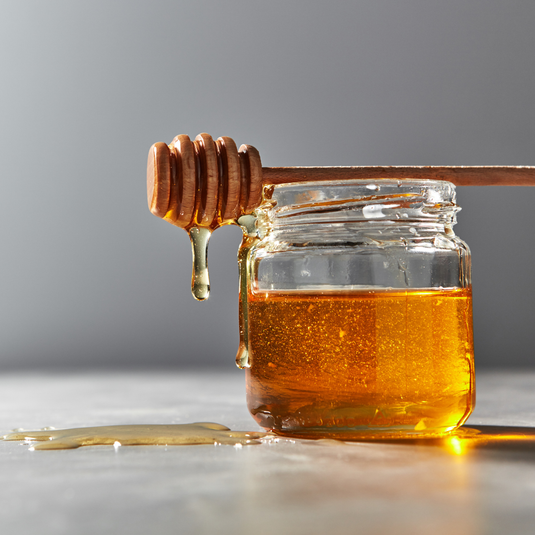
Pure, Raw & Unfiltered
Our raw and unfiltered honey is just as nature intended: straight from the hive, untouched by heat or processing, with all its natural enzymes, polyphenols, flavonoids and beneficial compounds intact. Unlike mass-produced honey, which is often heated and filtered to improve shelf stability, our honey retains its full nutritional profile, including pollen, propolis, and natural enzymes that support digestion and immune health. The result? A rich, complex flavor and a powerhouse of nutrients in every spoonful.
Many commercial honey products are not always what they seem: some are ultra-processed and heated, stripping away the beneficial properties, while others are even adulterated with high fructose corn syrup or other cheap sweeteners. At Nourish Food Club, we believe honey should be pure, unaltered, and as close to its natural state as possible. Our raw honey is never heated, never filtered, and never blended with additives, just the real, golden nectar straight from the hive.
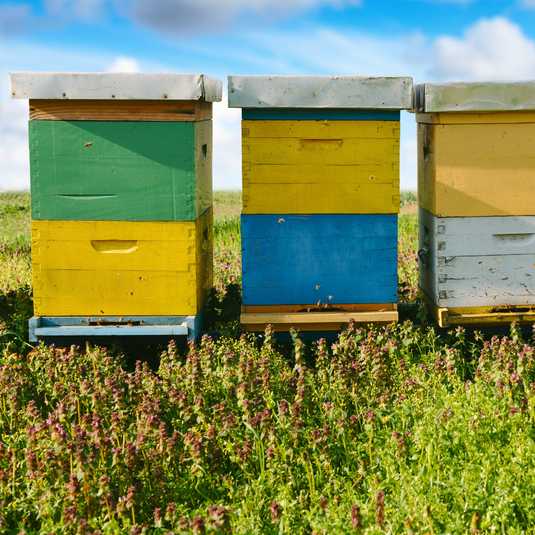
Chemical Free Behives
Most commercial honey comes from large-scale operations that rely on synthetic chemicals at nearly every stage of honey production. Pesticides like neonicotinoids and glyphosate are commonly used in industrial agriculture, contaminating the nectar and pollen that bees collect. These chemicals have been linked to declining bee populations and can leave residues in honey. Inside the hive, many large producers use antibiotics to prevent bacterial infections and synthetic miticides to control Varroa mites, both of which can linger in beeswax and honey, affecting purity and quality.
Our raw honey comes from bees that forage on clean, diverse landscapes, free from chemical exposure. And our beekeepers never use antibiotics or synthetic treatments in our hives, ensuring the integrity of the honey from hive to jar.