Pesticide-Coated Seeds: The Hidden Source of Chemical Exposure in Food
Key Points:
-
> Many modern crop seeds are coated with pesticides before planting
-
> This “upstream” pesticide use is largely untracked and not regulated
-
> Seed coatings often contain multiple pesticides + undisclosed ingredients
-
> These chemicals enter the soil, ecosystems, and food system from day one
-
> Chronic exposure may impact the gut microbiome and overall human health
-
> The public has very little visibility into what’s actually being used
Everyone is talking about glyphosate desiccation, where crops like wheat can be sprayed shortly before harvest to kill the plant and speed up drying, often leaving higher pesticide residues on the final product.
But what most people don’t realize is that a major pesticide application often happens long before that… before the seed is even planted in the ground!
Today, the majority of commodity crop seeds (including wheat, corn, soybeans, canola, and rice) are sold to farmers already coated with pesticides, a practice known as seed treatment. Before the seed ever leaves the seed company, it can be treated with synthetic pesticides designed to protect young seedlings from insects, fungi, and early-season diseases.
In other words, chemical inputs begin before farming even starts, with pesticides entering the field the moment the crop is planted.
This type of application is sometimes described as “upstream” pesticide use, because it occurs before the seed ever reaches the farmer. But those chemicals still end up in the soil, surrounding ecosystems, and ultimately the food system.
Despite how widespread this practice has become, most people have never even heard of it.
What’s even more concerning is we don’t have accurate data on the total use of seed treatments because unlike pesticide sprays applied in the field, seed treatments are not regulated and tracked in the national pesticide use data.
And the transparency problem doesn’t stop there.
The full formulation of these seed coatings isn’t publicly disclosed, because companies are not required to list the composition of many so-called “inert ingredients”, substances that often make up more than 85% of the final pesticide formulation.
So while pesticide-coated seeds have quietly become the default in modern agriculture, the public has very little visibility into what’s actually being applied to the crops that feed the world.
Outline of this article:
-
- General pesticide context (briefly)
-
- What treated seeds actually look like
-
- What’s actually in seed treatments
-
- Why seed treatments aren’t regulated
-
- Which crops use treated seeds
-
- Human health connection
-
- Whether these treatments actually work
-
- Environmental impacts
-
- Soil microbiome disruption
-
- What we know about pesticide testing in food
-
- Conclusion & Take Home Point
What are pesticides? (Briefly)
Before understanding what’s in seed treatments, it’s helpful to first understand what a pesticide actually is.
When people hear the word ‘pesticide’, then often just think of herbicides like glyphosate. But there is a wide variety of pesticides!
The word pesticide can be broken down into two parts: pest + cide. A pest refers to any organism considered harmful or undesirable in agricultural systems. This can include insects, weeds, rodents, fungi, bacteria, nematodes, and other organisms that interfere with crop production. The suffix “-cide” comes from the Latin word caedere, meaning “to kill.” Put together, pesticides are substances designed to kill or control organisms considered pests.
The term pesticide is actually an umbrella category that includes many different types of chemicals, each targeting different organisms. For example:
-
- Herbicides kill weeds
-
- Insecticides kill insects
-
- Fungicides kill fungi
-
- Rodenticides kill rodents
-
- Nematicides kill nematodes
-
- Bactericides kill bacteria
-
- Molluscicides kill slugs and snails
These chemicals are often designed to disrupt very specific biological processes inside the target organism. But in real-world ecosystems, their effects rarely stay neatly contained and it’s naïve to think that chemicals designed to destroy life come without collateral damage. Once applied, pesticides can move through soil, water, air, food chains, and the human body, interacting with many non-target organisms along the way.
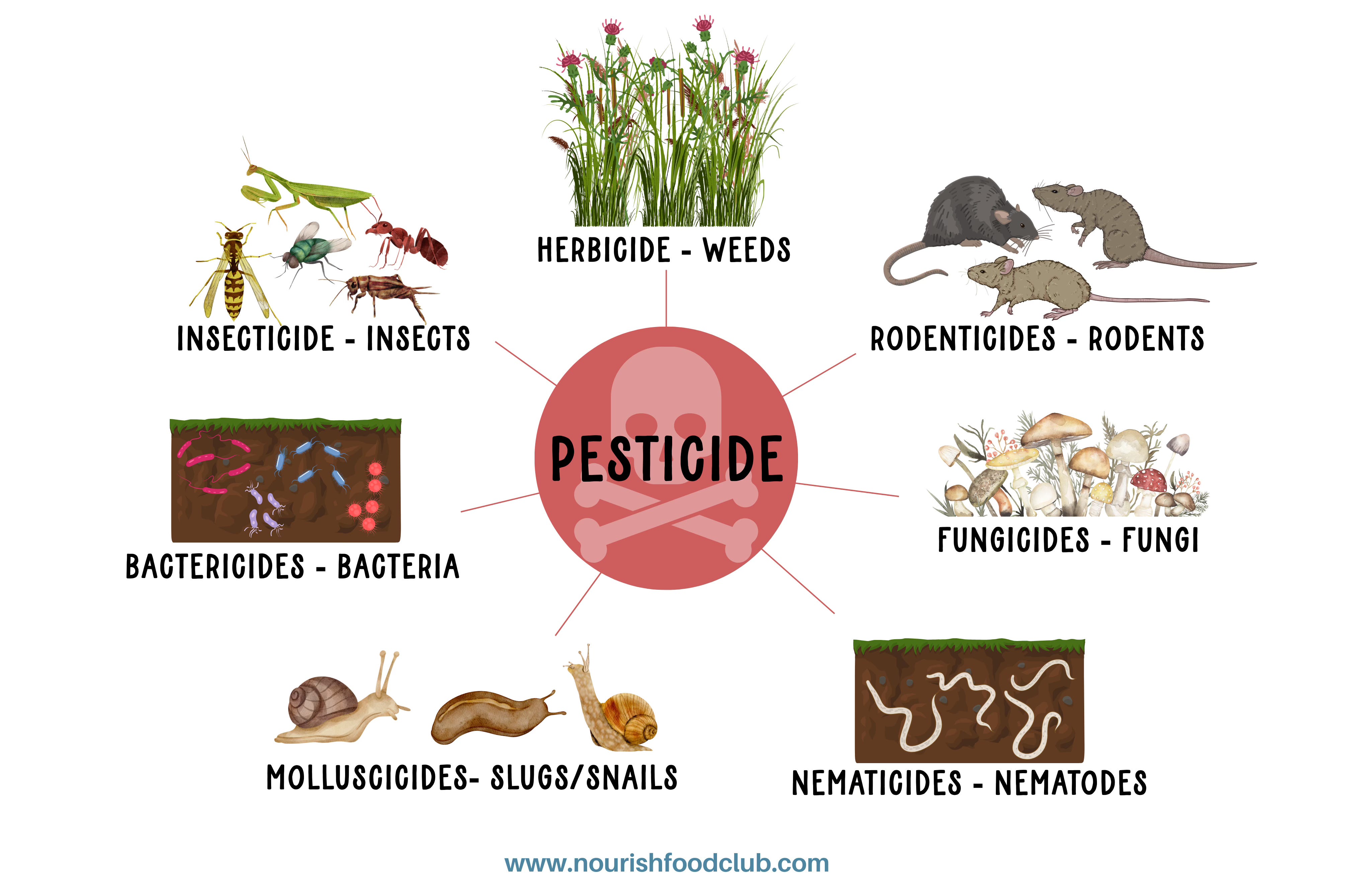
Synthetic pesticides are actually a relatively recent addition to the human food system, emerging largely in the mid-20th century. Many of the chemicals used in agriculture today were developed during or shortly after World War II, when advances in industrial chemistry accelerated rapidly.
After the war, the same chemical manufacturing infrastructure that had been built for wartime production was redirected toward agriculture. Compounds originally developed for military or industrial purposes were repurposed for pest control in farming. Organophosphates, for example, were originally developed as nerve agents during World War II. These compounds disrupt how nerves transmit signals in the body. In warfare, they were designed to paralyze or kill. In agriculture, similar chemistry was reformulated into insecticides used to kill pests.
One of the earliest pesticide examples is DDT, an insecticide that gained widespread use during World War II to control mosquitoes and lice that spread diseases like malaria and typhus. After the war, DDT was rapidly adopted in agriculture and became one of the most widely used pesticides in history (now, thankfully banned). Around the same time, herbicides such as 2,4-D were introduced to control weeds in crop fields. These chemicals helped usher in a new era of large-scale chemical weed control in agriculture.
Today, pesticide use is widespread. In the United States, roughly 1 billion pounds of pesticide active ingredients are applied each year, and about 75% of that use occurs in agriculture (ref). This estimate comes from 2017 data, and total use may be even higher today.
What do Treated Seeds Look Like?
If you’ve ever seen crop seeds that are bright pink, blue, or green, you’ve likely seen pesticide-treated seeds. Those colors aren’t natural. They come from dyes added to the pesticide coating, which are used to signal that the seeds have been chemically treated and should not be consumed.
The color is kind of like a warning label.
Ironically, while these coated seeds are considered unsafe to eat directly, they are still planted in the soil and grow into the crops that eventually become part of the food system.
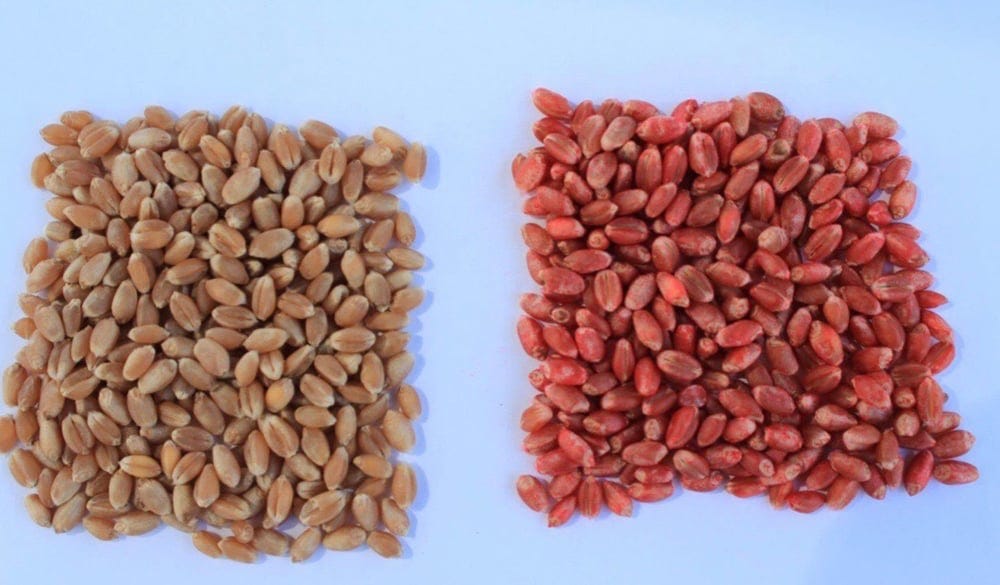
Red treated wheat seeds, image from (ref)
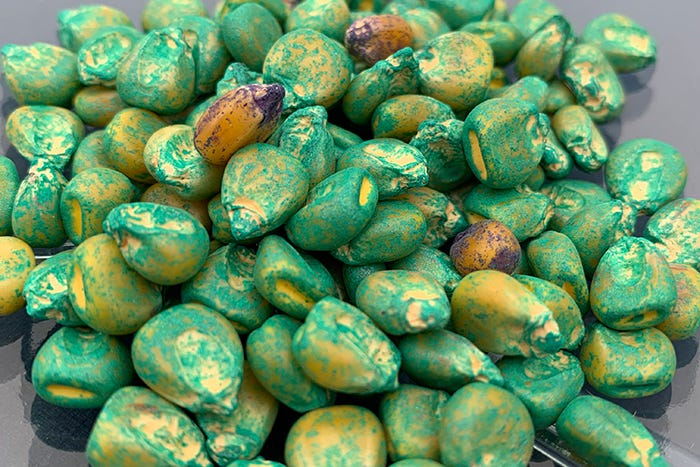
Pesticide coated corn seed, image from ref.
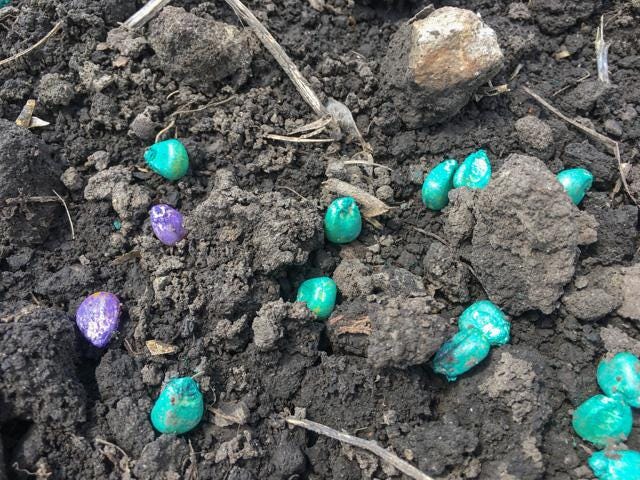
Close to 100% of commercial corn seed is treated with pesticides before planting. Image from ref.
What’s Actually in Seed Treatments?
These coatings are applied directly to the outside of seeds before they are sold.
But what exactly is in them?
Seed treatment coatings typically contain combinations of insecticides and fungicides, two major categories of synthetic pesticides, along with other chemical additives designed to “protect” the seed as it germinates and begins growing.
One of the most common classes of insecticides used in seed treatments is neonicotinoids. These chemicals act on nicotinic acetylcholine receptors in the nervous system of insects, causing paralysis, nervous system failure, and death. Common examples include imidacloprid, clothianidin, and thiamethoxam. Neonicotinoids are systemic pesticides, meaning they are absorbed by the plant as it grows and distributed throughout its tissues including the roots, stems, leaves, pollen, and nectar. In other words, the chemical “protection” built into the seed eventually becomes part of the entire plant.
Neonicotinoids were developed by chemists studying nicotine, the natural insecticidal compound found in tobacco plants. Nicotine has long been known to kill insects by overstimulating their nervous systems. In the 1970s and 1980s, chemists began designing synthetic molecules that mimic nicotine’s insecticidal activity. The first commercial neonicotinoid, imidacloprid, was developed by Bayer in the 1980s and introduced to the market in 1991. Since then, the use of neonicotinoids has expanded rapidly and has quietly become the default insecticide strategy across much of modern agriculture. Today, one of their most common uses is as a coating applied directly to crop seeds before planting.
Seed treatments also frequently include fungicides, which are chemicals designed to kill fungi that can infect seeds or young seedlings. Common fungicides used in seed coatings include compounds such as metalaxyl, fludioxonil, sedaxane, tebuconazole, and prothioconazole. Most commercial seeds contain multiple fungicides stacked together, often combined with insecticides in the same coating.
For example, a typical seed treatment package for crops like wheat or corn may include:
-
- Metalaxyl (fungicide)
-
- Fludioxonil (fungicide)
-
- Sedaxane (fungicide)
-
- Imidacloprid (neonicotinoid insecticide)
In many cases, companies apply three to five active pesticide ingredients on a single seed.
For example, many commercial wheat seeds, including non-GMO varieties such as Bayer’s WestBred® wheat, are commonly sold pre-coated with seed treatment formulations. This has become standard practice for many modern commercial seeds.
However, while companies are required to disclose the active pesticide ingredients, they are not required to disclose the full composition of the formulation.
That means we often do not know the identity of the so-called “inert ingredients.” And despite the name, “inert” does not mean biologically inactive.
These ingredients can include solvents, surfactants, stabilizers, preservatives, dyes, and polymer binders that help pesticides stick to the seed.
Yummy!
These substances can influence toxicity, environmental persistence, and how chemicals move through soil and plants.
It would be similar to a bread manufacturer listing “wheat” as the only ingredient, while leaving out the added seed oils, preservatives, emulsifiers, and gums used in the recipe.
Knowing the full formulation matters.
For example, Bayer’s Raxil PRO Shield seed treatment discloses only 10.92% of the formulation as active ingredients, leaving 89.08% of the formulation not reported. Those undisclosed components can include carriers, dispersants, stabilizers, dyes, and other chemical additives used to help pesticides adhere to the seed and function properly.
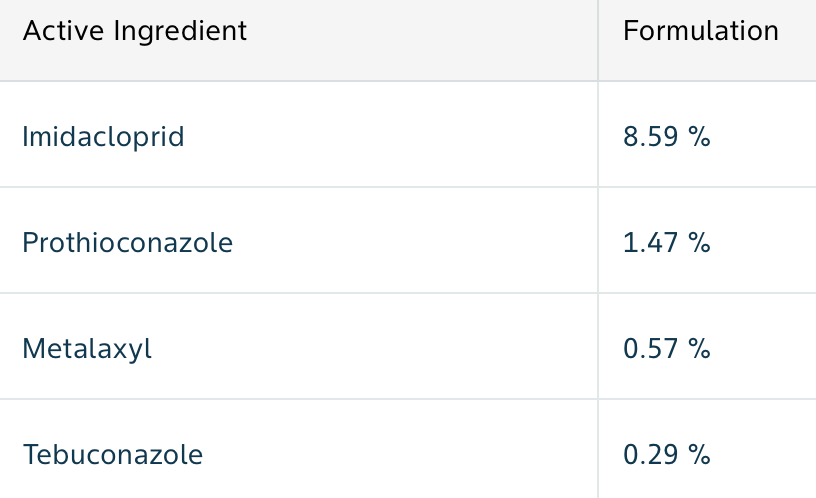
Here is an example of Bayer stacking two seed treatments together with Raxil PRO Shield and Prosaro PRO.

Another example comes from the agricultural company Corteva, which markets seed treatment products designed for a wide range of cereal crops including corn, barley, millet, oats, rye, triticale, and wheat.
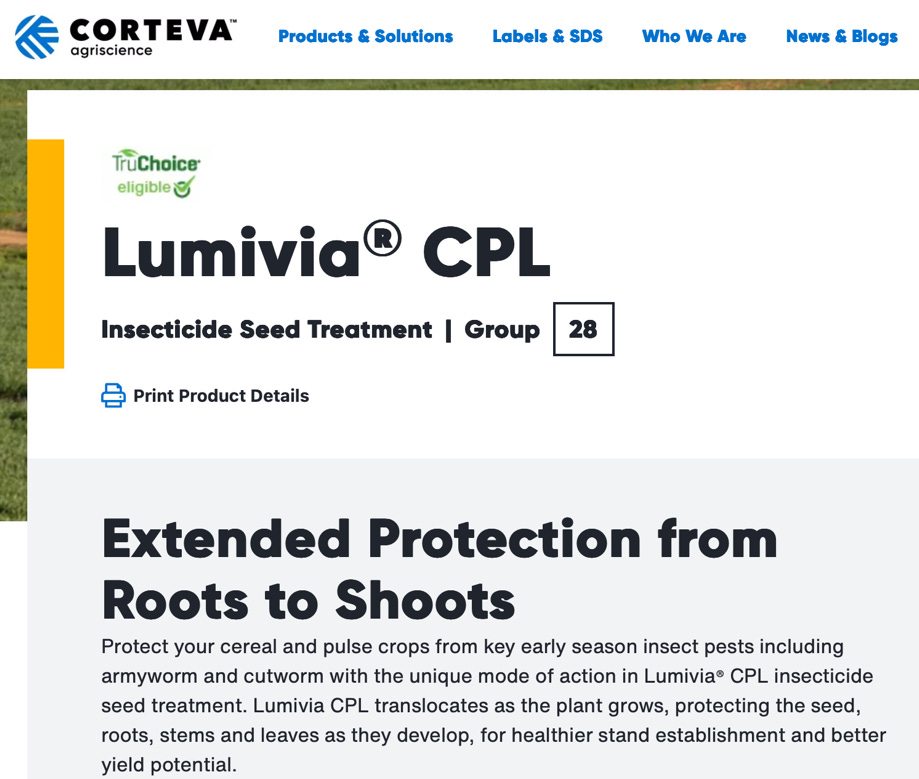
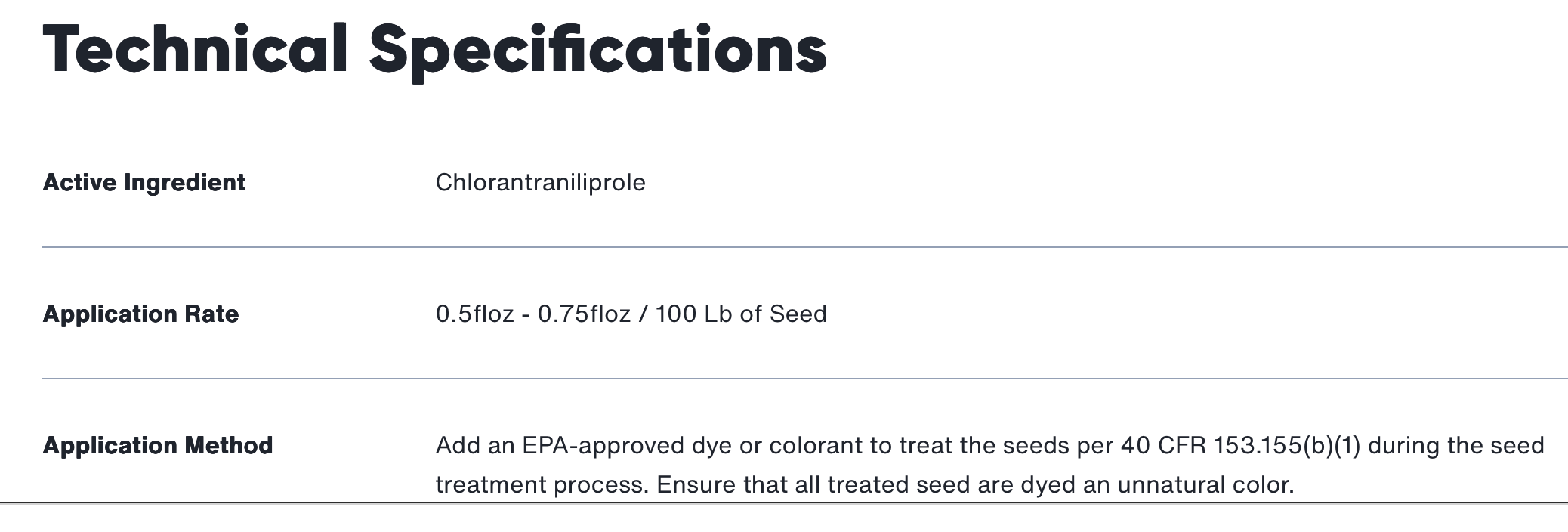
In this example, the only ingredient disclosed is chlorantraniliprole, an insecticide. The remaining formulation is listed as “other ingredients,” which companies are not required to identify, a regulatory loophole we’ll explore next.
Why Seed Treatments Aren’t Regulated
You might assume that pesticides applied to crop seeds would be regulated the same way as pesticides sprayed on fields.
Surprisingly, they aren’t.
Once pesticides are coated onto a seed, the seed itself is often exempt from pesticide registration and labeling requirements under a regulatory policy known as the EPA “treated article exemption” (40 CFR 152.25). (ref)
Total loophole.
This exemption originated from a 1988 EPA regulation (53 FR 15977) that removed certain pesticide-treated products from the government’s definition of a pesticide. The rule was originally intended for items like fungicide-treated paint or antimicrobial coatings on materials.
But over time, the exemption has also been applied to pesticide-coated crop seeds.
(Big Ag lobbying power put to work)
Since the pesticide cocktail is applied before the seed is planted, the treated seed itself is not regulated the same way as pesticides sprayed during the growing season.
Here’s what this means in practice…
-
The full formulation often does not have to be publicly disclosed
-
The treated seed itself does not require the same registration and labeling requirements as pesticide sprays
-
Seed treatment pesticides are often missing from national pesticide-use tracking data (we don’t really know how much is being used)
So let’s get this straight.
If the pesticide is sprayed on the field after seeds are planted in the ground, it is regulated and registered.
If the pesticide is sprayed and attached to the seed before the seed is planted at a chemical manufacturing facility, it is not regulated and not registered.
As a result, millions of acres of crops (including corn, soybeans, wheat, and cotton) are planted with seeds that have already been coated with pesticides before they ever reach the farm.
To be clear, I am not a big fan of excessive regulation from bureaucracies. But when large chemical manufacturers are producing compounds that can impact ecosystems, wildlife, and potentially human health, basic transparency and oversight seem like a reasonable expectation.
Which Crops Use Treated Seeds?
Both GMO and non-GMO seeds can be treated with pesticides (because remember, “non-GMO” does not mean pesticide-free). The only category where synthetic seed treatments are prohibited is organic seed production.
Over the past several decades, pesticide-treated seeds have become the norm in modern agriculture. Today, many conventional crop seeds (including corn, soybeans, wheat, cotton, and canola) are commonly sold already coated with pesticide treatments before planting.
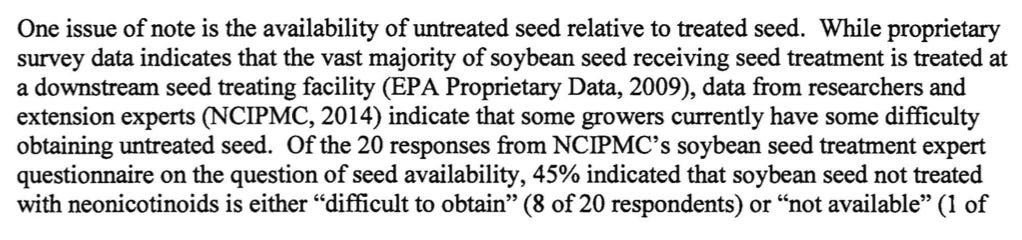
Alarming reality from an EPA document, here.
While the United States maintains relatively detailed data on pesticides sprayed onto fields during the growing season, we know far less about pesticides applied as seed coatings. Because treated seeds fall under the EPA’s treated article exemption, their use is often not tracked in national pesticide-use data, making it difficult to estimate total pesticide exposure from this source. And if farmers do not know what pesticides are on their seed, there is a potential for pesticide overuse.
Important note about pesticide seed coating uncertainty from ref:
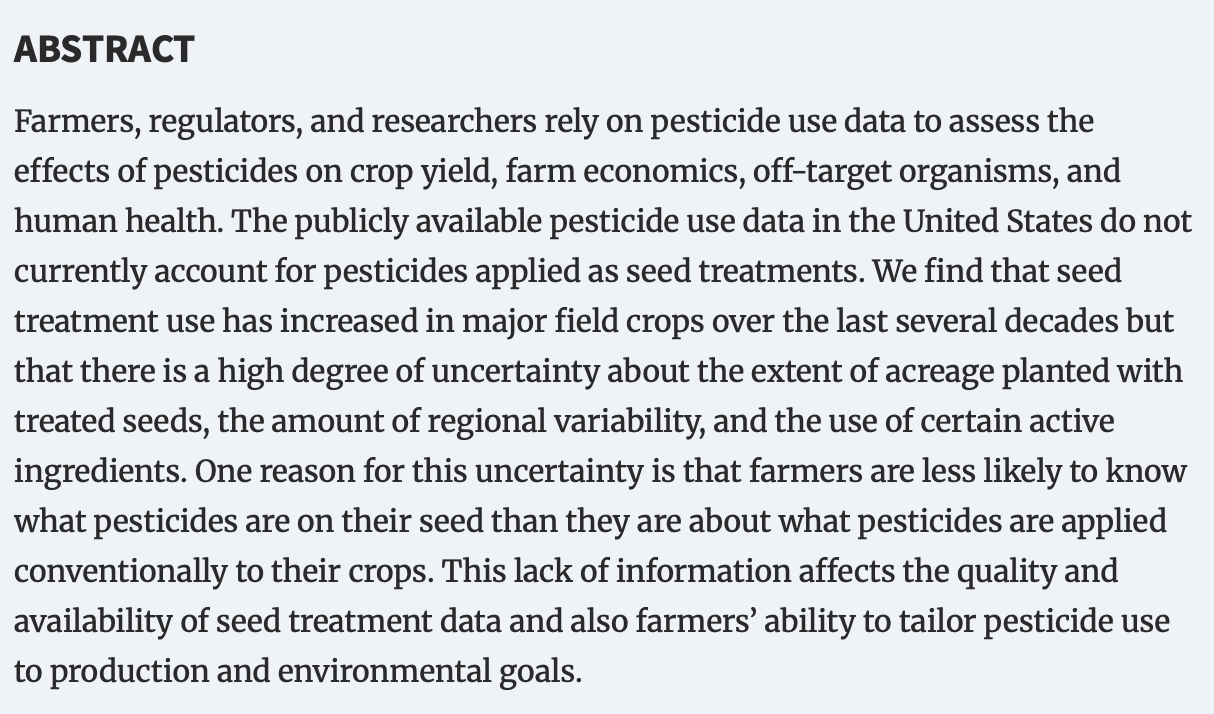
Some estimates suggest that 70–95% of corn and soybean seeds are coated with pesticides before they are ever planted (ref, ref). In 2023, that would translate to roughly 135 to 155 million acres of treated seed in the United States alone, and this estimate does not include treated seeds used for other crops such as wheat and rice.
Industry estimates for other crops suggest that between 2012 and 2014, approximately 62% of cotton and 56% of wheat acres were planted to insecticide and fungicide-coated seed (ref).
Even though pesticide residues from seed treatments may sometimes be lower than those from field sprays, many of these chemicals are systemic, meaning they move throughout the plant as it grows. As a result, small amounts can end up in plant tissues and eventually in the harvested grain.
Seed treatments are also often just the first step in a chain of pesticide applications. During the growing season, crops may receive additional pesticide sprays to control weeds, insects, or diseases. In some systems, crops may also be sprayed with herbicides such as glyphosate before harvest to speed drying and harvest timing.
Because these crops form the foundation of the modern food system, exposure can occur through many everyday foods, including vegetable oils, grain products such as flour, and foods made from wheat like bread, pasta, cereal, baked goods, and pizza.
Human Health Connection
Again, it is naïve to assume that chemicals designed to disrupt biological systems come without collateral effects in the broader food system, or inside our own microbiomes.
Whenever we try to control nature through chemistry, there are consequences.
Humans are deeply microbial organisms. The human gut microbiome contains trillions of microorganisms in a diverse ecosystem, which includes bacteria, fungi, viruses, archaea, and protozoa.
These microbes are not passive passengers that move around with us. They interact constantly with the body through multi-directional communication pathways between the gut and other organs. Because of this, the microbiome plays essential roles in digestion, immune regulation, metabolism, hormones, skin health, cognition, and many other aspects of human physiology. So, it makes sense why the strength of the gut lining and the balance of microbial communities within it are therefore critical components of overall health.
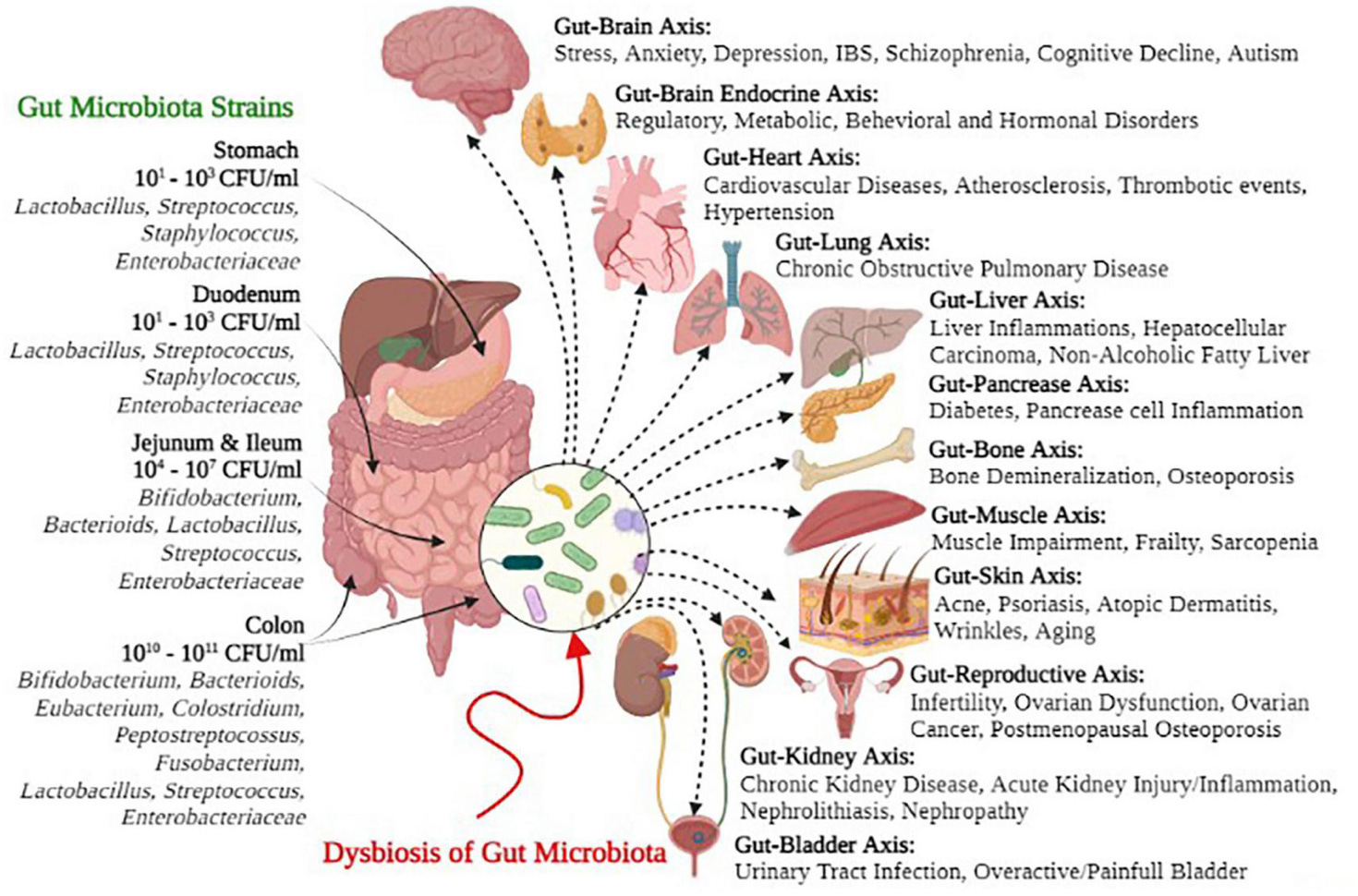
Image from (ref).
Metabolic health is declining across the developed world…
Food intolerances, digestive disorders, and gut-related conditions are becoming increasingly common…
Could chronic pesticide exposure be playing a role?
Multiple studies have detected pesticide residues in the human body (ref), demonstrating that cumulative exposure through food, water, and the environment is already occurring and that these chemicals are entering and persisting within human biological systems.
Because many pesticides are specifically designed to disrupt biological pathways or enzymes in target organisms such as fungi, insects, or plants, the amount of research investigating how chronic low-level exposure can disrupt microbial ecosystems in the gut has drastically increased recently.
Emerging research suggests that pesticide exposure can alter microbial communities and metabolism in ways that may negatively affect human health and behavior (ref).
Let’s analyze a few studies that investigate how the two types of pesticides used in seed treatments (insecticides and fungicides) impact the gut microbiome.
Insecticides and the Gut Microbiome
While insecticides are designed to target insects, research showing microbial disruption in soil ecosystems raises important questions about how these compounds influence microbial communities in the human gut. Long-term human studies are still limited, but several experimental and animal studies have demonstrated that insecticide exposure can alter gut microbial communities, reduce beneficial microbes, and change microbial metabolism.
A recent 2026 study (ref) examined the effects of insecticide exposure at the NOAEL level (No Observed Adverse Effect Level, the dose regulatory agencies typically consider “safe”) in rats. Even at this low exposure level, researchers observed measurable changes in the gut microbiome.
Short-chain fatty acids (SCFAs), which are essential molecules produced by gut microbes, serve as the primary energy source for the cells lining the intestine and are critical for maintaining gut barrier integrity. Reduced SCFA production can weaken gut barrier function and negatively impact digestive and immune health.
The study found that insecticide exposure reduced populations of microbes responsible for producing these compounds. The authors concluded:
“Our results showed that even at approximately the NOAEL dose, CLO (a type of insecticide) exposure altered gut microbiota composition and tended to reduce microbial diversity… Several CLO-affected taxa are known producers of short-chain fatty acids… These results suggest that CLO has various effects on the gut microbiota and that even exposure at the NOAEL may affect host health.”
In other words, measurable microbiome disruption occurred at exposure levels that regulatory agencies consider safe.

Additional research supports these findings.
A 2023 review paper (ref) reported that insecticide exposure can:
-
- alter gut microbial composition
-
- change microbial metabolites such as short-chain fatty acids
-
- influence immune signaling and the gut–brain axis
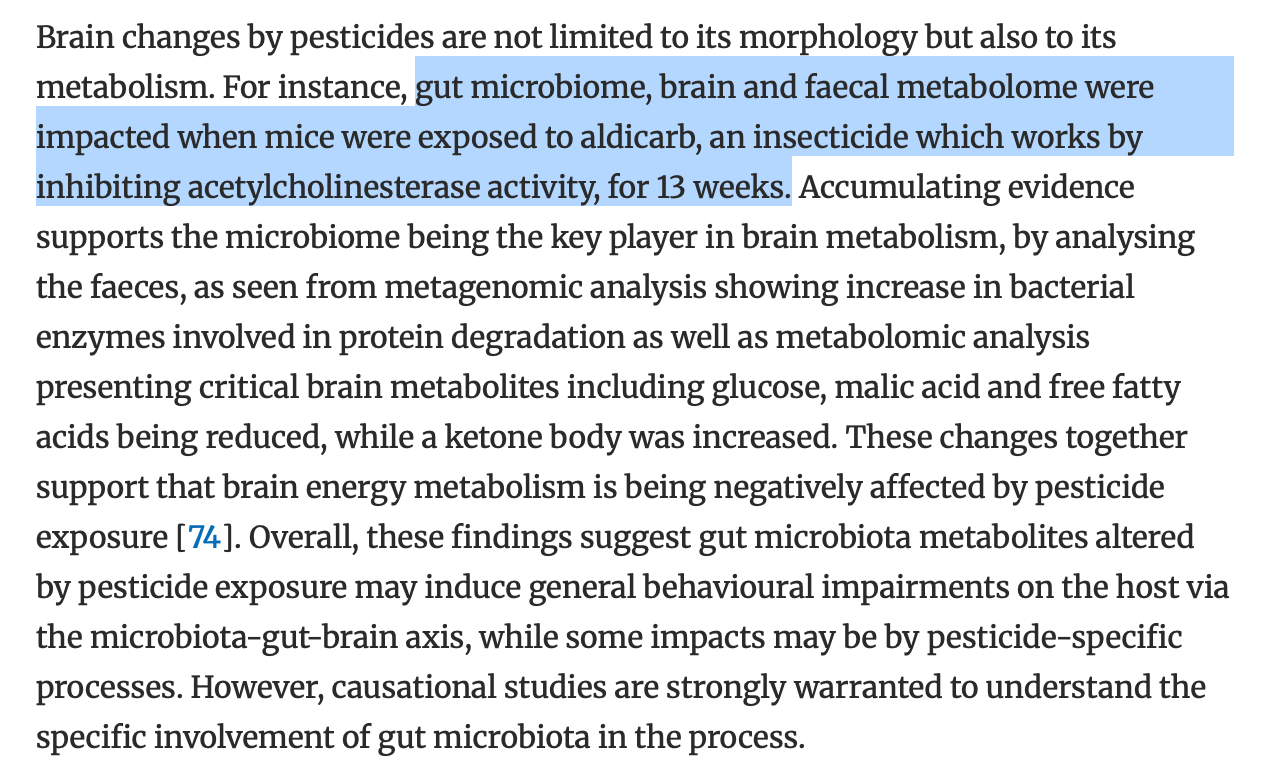
Animal studies in that review showed microbiome and metabolome changes following exposure to insecticides such as aldicarb.
A 2025 review paper (ref) examining neonicotinoids (a type of insecticide) including imidacloprid, clothianidin, and thiamethoxam found that these chemicals can:
-
- reduce microbial diversity
-
- alter beneficial bacterial populations
-
- create microbial imbalance across multiple species, including vertebrates.
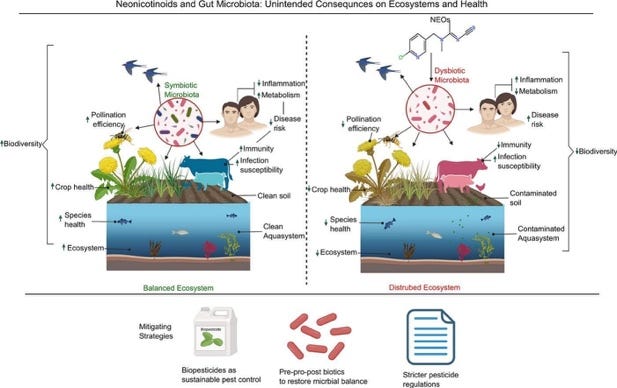
Human epidemiological studies have also associated neonicotinoid (a type of insecticide) exposure with adverse health outcomes (ref).
Fungicides and the Gut Microbiome
Fungicides are the other main type of pesticide used in seed treatment formulations.
Fungi are a natural and important part of the gut microbiome, even though they make up a smaller proportion of the total microbial population compared to bacteria. The fungal component of the microbiome, sometimes called the mycobiome (ref), still plays important roles in immune signaling, microbial balance, and gut health. You have fungi inside of your gut right now and that is normal and natural!
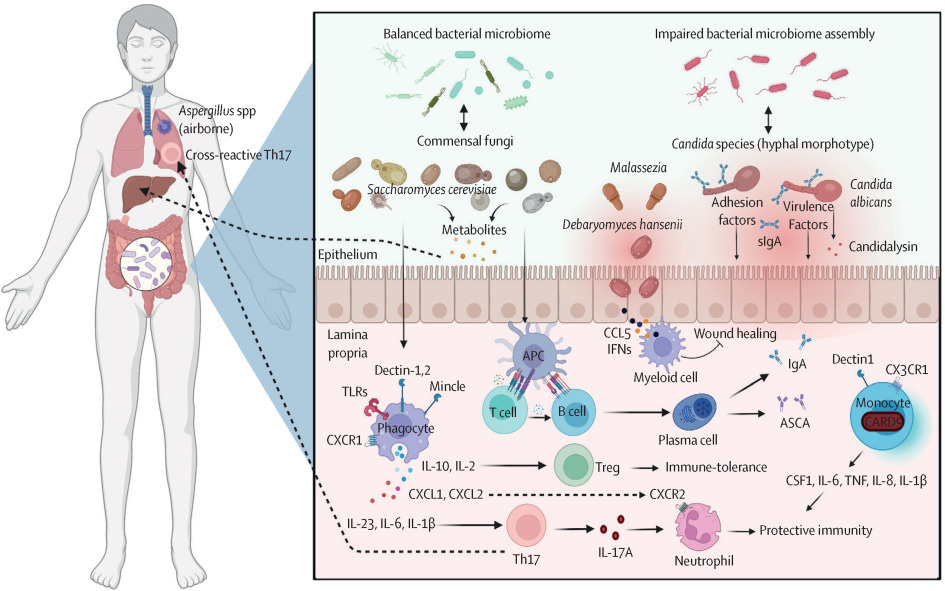
This raises an obvious question: what happens when we regularly consume trace amounts of chemicals designed specifically to kill fungi?
Emerging research suggests that some fungicides may disturb gut microbial ecosystems, alter microbial composition, and contribute to gut inflammation or intestinal barrier dysfunction.
The strongest evidence so far comes from animal studies involving commonly used agricultural fungicides such as tebuconazole, prothioconazole, and imazalil, though long-term human data are still limited.
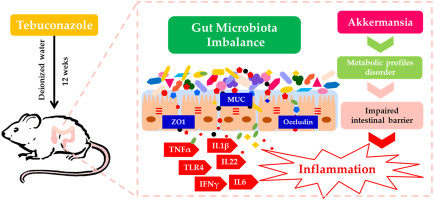
For example, a 2022 mouse study (ref) examining exposure to the fungicide tebuconazole found that it:
-
- altered gut microbial composition
-
- disrupted genes involved in intestinal barrier function
-
- promoted inflammatory responses in colon tissue.
The researchers reported:
“Specifically, exposure to tebuconazole could cause structural damage and inflammatory cell infiltration in colon tissue, activate the expression of inflammation-related genes, disrupt the expression of barrier function-related genes, and induce the colonic inflammation in mice. Similarly, exposure to tebuconazole could also exacerbate DSS-induced colitis in mice. In addition, we found that tebuconazole also could change the composition of the gut microbiota.”
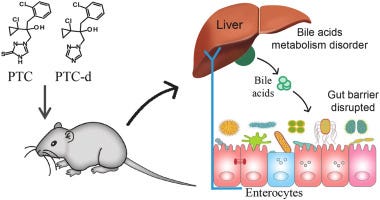
Another 2022 mouse study (ref) investigating the fungicide prothioconazole found disruptions in the liver–gut axis, including changes in bile acid metabolism and gut microbial composition. Because bile acids are essential for fat digestion and metabolic regulation, these disruptions may have broader implications for metabolic health.
Taken together, this emerging body of research suggests a concerning pathway:
fungicide exposure → microbiome disruption → intestinal inflammation and metabolic effects
Why This Matters
Gut health influences nearly every system in the body, including immune function, metabolism, hormone signaling, and brain function through the gut-brain axis.
When chemicals designed to disrupt biological systems are introduced repeatedly into the food system, even at low doses, it raises important questions about how cumulative and compounding exposure from multiple different compounds affect these delicate microbial ecosystems over time.
And while research is still evolving, the early findings suggest that the microbial communities living inside us may be far more sensitive to pesticide exposure than chemical companies and regulatory agencies (influenced by lobbyists from chemical companies) tell us.
Soil Microbiome Disruption
Did you know that the soil has a microbiome? Healthy soil is alive!
A single teaspoon of healthy soil can contain billions of microorganisms: including bacteria, fungi, protozoa, nematodes, and other microscopic life forms that drive nutrient cycling, support plant growth, naturally suppress pests and disease, and maintain ecosystem balance. These microbial communities are the foundation of resilient agricultural systems.
One of the most important components of healthy soil is mycorrhizal fungi. These beneficial fungi form symbiotic relationships with plant roots, extending vast underground networks that help plants access water and nutrients such as phosphorus and micronutrients. In exchange, plants provide these fungi with carbohydrates produced during photosynthesis. Mycorrhizal networks also play a critical role in building soil structure, storing carbon, and increasing soil organic matter, making farmland more resilient to drought, erosion, and environmental stress.
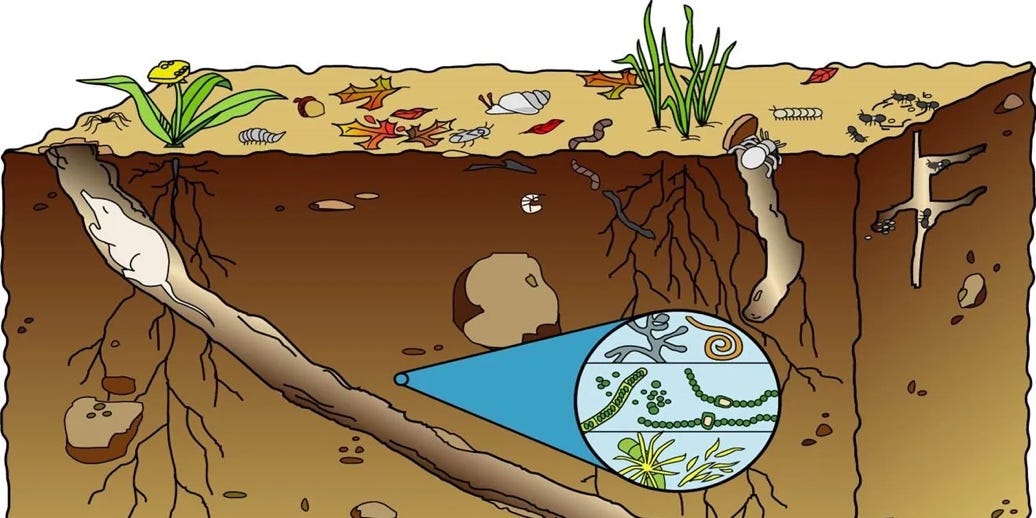
Image from (ref).
Healthy, living soil is how farmers can grow more nutrient-dense food without relying heavily on synthetic chemical inputs.
And low microbial diversity in soil is linked to susceptibility to pests & diseases, low plant nutrient status, imbalanced carbon & water cycles, & poor plant productivity.
So, when pesticide chemicals designed to disrupt biological systems are applied across millions of acres of farmland, it raises yet another important question: how do these chemicals affect the delicate soil microbiome beneath our feet?
How we farm dramatically influences the health of the soil microbiome.
Under chemical-intensive agricultural systems, soil biology can decline over time. Instead of living soil, fields can gradually shift toward what many agronomists describe as “dead dirt”, soil that has lost much of its biological activity and becomes increasingly dependent on chemical fertilizers and pesticides to maintain productivity.
Research increasingly suggests that pesticides, including insecticides and fungicides used in seed treatments, can disrupt soil microbial ecosystems.
Studies have shown that neonicotinoid insecticides can alter microbial community composition, reduce beneficial soil bacteria and fungi, and inhibit microbial metabolic processes essential for soil fertility.
For example, research has found that insecticides such as imidacloprid and clothianidin can specifically reduce populations of beneficial microbes involved in critical processes including nitrogen cycling, organic matter decomposition, and nutrient availability to plants.
Soil is also home to a vast number of insects and invertebrates that help maintain ecosystem balance. These organisms play important roles in aerating soil, breaking down organic matter, and transporting microbes throughout the soil ecosystem.
When insecticides designed to kill insects are introduced into soil environments, populations of these beneficial organisms can decline. In many ways, these organisms function like “taxi systems” for microbes, helping distribute microbial life throughout soil networks.
One of the main reasons of concern of heavy insecticide use is persistence. Many insecticides remain active in soil for months or even years, increasing the likelihood of long-term disruption to microbial communities.
A 2023 review paper (ref) examining pesticide effects on soil microbiology found that approximately 45% of studies reported negative impacts on soil microbial community structure, diversity, enzymatic activity, and nitrogen transformation processes.
Similarly, a 2024 review (ref) of pesticide–soil interactions concluded that insecticides can:
-
- alter microbial diversity and abundance
-
- disrupt key enzymatic processes in soil
-
- negatively affect soil fertility and nutrient cycling
Experimental studies (ref) have also demonstrated that the insecticide imidacloprid can significantly reduce populations of certain soil bacteria.
When beneficial microbial communities decline, ecological space can open for opportunistic or pathogenic organisms to take their place, disrupting the balance that healthy soil ecosystems depend on.
And fungicides can create similar disruptions, negatively affecting beneficial fungal communities in soil, including mycorrhizal fungi that plants depend on for nutrient exchange and soil stability.
Research has shown that some fungicides can reduce mycorrhizal colonization of plant roots and interfere with the fungal networks that support soil health and plant resilience. Fungicides such as boscalid, pyraclostrobin, penconazole, and fenhexamide have been shown to reduce the number of key mycorrhizal structures (ref), interfering with vital nutrient exchanges between the growing plants and beneficial fungi.
A 2021 paper found that the fungicide benomyl reduced mycorrhizal fungal colonization of roots which reduced overall soil microbial diversity. (ref)
Over time, repeated disruption of these microbial and fungal communities can degrade soil structure, reduce nutrient cycling efficiency, and increase dependence on external chemical inputs.
Environmental Impact
The environmental consequences of pesticide-treated seeds do not stop at microscopic soil organisms. Their effects ripple outward through ecosystems and move up the food chain.
Once planted, some of the chemicals don’t stay in the field where they were applied. Instead, they move through soil, water, air, food chains, and plant tissues, creating widespread environmental contamination that threatens pollinators, birds, insects, aquatic organisms, and other vital species, and with them, the ecosystems we rely on.
Plus, during planting, pesticide coatings can abrade off treated seeds, producing dust clouds containing insecticide particles that drift through the air and settle on surrounding vegetation, soil, and waterways.
Plus, during planting, pesticide coatings can rub off treated seeds and create contaminated dust, producing dust clouds containing insecticide particles that drift through the air and settle on surrounding vegetation, soil, and waterways.
Doesn’t that sound great!
Estimates suggest that a significant portion of the active ingredients can enter the surrounding environment, leaching into soil, washing into streams and drainage ditches, or accumulating in nearby waterways.
Over time, this widespread contamination has dramatically increased the toxicity of agricultural landscapes.
One analysis found that the use of neonicotinoid insecticides has contributed to a 48-fold increase in the toxicity of U.S. farmland for insects (ref).
Even a single neonicotinoid-coated seed can contain enough toxin to kill 80,000 bees (ref).
A SINGLE SEED.
And it’s important to remember that during planting, it is very normal that not every seed planted actually ends up buried in soil. Some seeds are inevitably spilled or left on the soil surface. To birds and small mammals, these brightly colored seeds may look like an easy food source.
But these seeds are toxic…
Because these pesticides remain potent even after planting, stray treated seeds can continue posing a threat long after the planting season has ended. And without cleanup requirements or regulatory oversight for spilled seeds, this exposure pathway remains largely unmanaged.
But pollinators like bees face another route of exposure.
When crops such as soybeans begin to flower during the growing season, they attract bees and other pollinators searching for pollen and nectar. But when those plants are grown from neonicotinoid-treated seeds, the pesticide becomes incorporated into the plant’s tissues (ref), including the pollen and nectar itself.
This means pollinators may unknowingly consume pesticide-contaminated food sources while performing their essential ecological role.
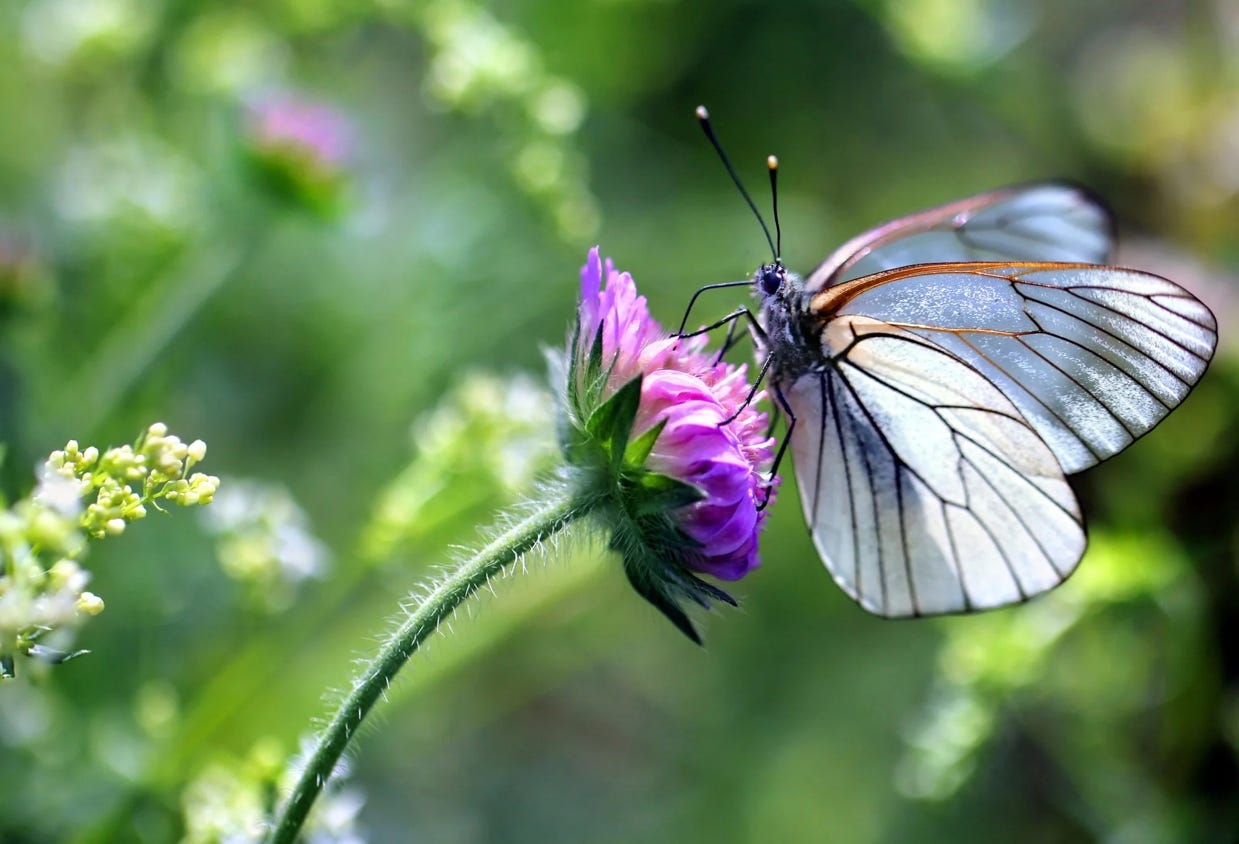
And just like how human gut microbiome and soil microbiome is negatively impacted, research demonstrates that this is happening to insects as well.
For example, one study found that exposure to the insecticide imidacloprid altered the gut microbial diversity and community structure in earthworms (ref), organisms that play an essential role in soil health.
Another study examining honey bees found that bees exposed to the insecticide imidacloprid showed significant changes in gut microbiome composition (ref), including reduced growth of beneficial gut bacteria even at low pesticide concentrations.
Aquatic ecosystems can also be affected due to contamination of water ways. Studies have reported that levels of the fungicide imazalil (IMZ) in aquatic systems have reached concerning concentrations. Research by Jin et al. found that IMZ exposure caused gut microbiome dysbiosis and metabolic disruption in adult zebrafish (ref), demonstrating how pesticide contamination can impact the health of aquatic wildlife.
Taken together, these findings highlight how pesticides used in agriculture can move far beyond their intended targets… affecting organisms across entire ecosystems.
Do Seed Treatments Even Work?
Sounds like a silly question but with the scale of pesticide use in modern agriculture, we have to wonder: do seed treatments actually work?
Or are they simply increasing risks to human health and the environment while providing little real benefit?
In theory, seed treatments are meant to protect young seedlings during the vulnerable early stages of growth by killing insects and suppressing fungal diseases in the soil. The idea is that this “protective coating” gives crops a better start.
But when researchers have examined their real-world performance, the results have been underwhelming….
In fact the EPA’s own analysis (ref) concluded that neonicotinoid seed treatments on soybeans provide “little or no overall benefit” in terms of crop yield. In some cases, yields actually declined….
“This analysis provides evidence that U.S. soybean growers derive limited to no benefit from neonicotinoid seed treatments in most instances.” (ref)
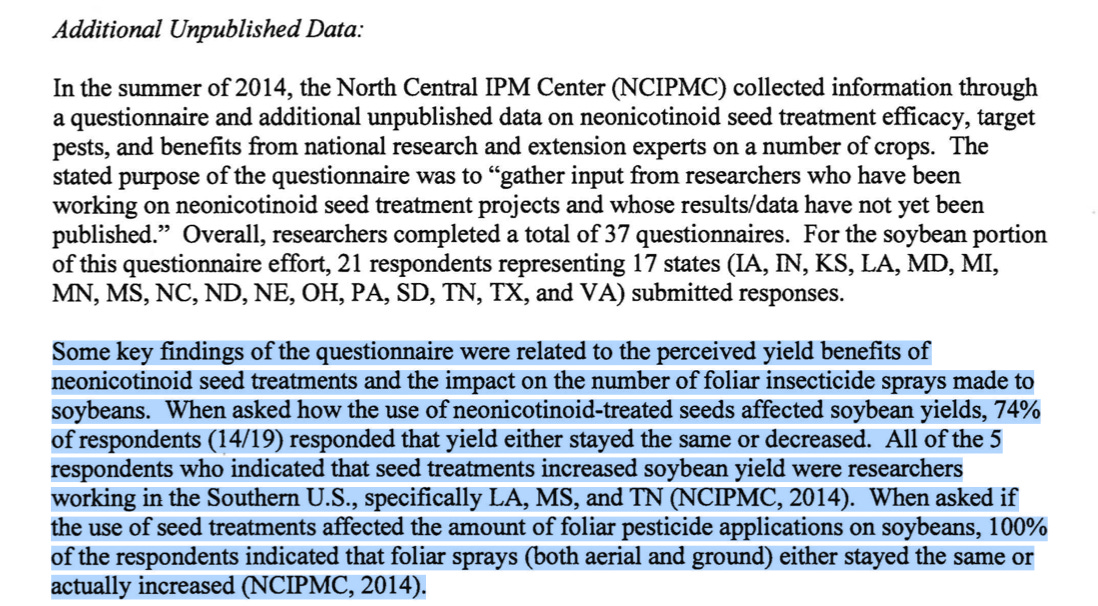
Image from an EPA report, ref.
One of the main reasons why is because these chemicals don’t just kill ‘pests’… they harm beneficial organisms that help maintain ecological balance in farm ecosystems
These beneficial organisms include:
-
> natural predators that keep pest populations in check
-
> soil invertebrates that aerate soil and improve nutrient cycling
-
> pollinators that support fruit, vegetable, and seed production
When these beneficial species decline, farms can become more vulnerable to pest outbreaks and soil degradation, ironically increasing the need for even more chemical inputs.
Some agronomists also point out that many seed treatments are applied preventatively, meaning the pesticide is used whether or not pests are actually present. This blanket approach can result in millions of acres receiving insecticides even in years when pest pressure is minimal.
Meanwhile… another approach to protecting seedlings during planting and early in the growing season often receives far less attention: building healthier soil ecosystems.
Healthy soil rich in microbial life, organic matter, and fungal networks naturally supports stronger plants and can improve resilience against pests and disease. Diverse microbial communities in soil can suppress plant pathogens, improve nutrient availability, and strengthen root development without relying on synthetic chemical inputs.
In regenerative farming systems, the focus shifts from chemically protecting fragile plants to growing plants in biologically healthy soils where resilience is built into the system itself.
Yet unlike pesticide coatings and genetically engineered seeds, healthy soil isn’t a patented product that can be sold each season.
(Likely one of the main reasons why chemical solutions often receive far more attention than biological ones.)
What We Know About Pesticide Testing In Our Food
To be clear, the U.S. food system generally does not contain pesticide levels high enough to cause immediate toxicity from a single exposure. You are unlikely to experience an acute poisoning response from eating one contaminated food.
The concern is chronic, cumulative exposure.
Some argue that our food supply is safe because pesticide residues fall within EPA-established tolerance levels. But critics of the current system point out that these standards often overlook important real-world factors, such as the cumulative effects of consuming multiple contaminated foods daily over decades. (ref)
While each individual food might fall below regulatory limits, the combined exposure from an entire diet may still reach biologically meaningful levels over time.
And there haven’t been any long-term safety assessments examining what happens when humans are exposed to hundreds of different pesticide residues day after day, year after year, across an entire lifetime.
Emerging research has linked chronic pesticide exposure to a range of health concerns, including:
-
- endocrine disruption
-
- fertility and reproductive issues
-
- gut microbiome disturbances
-
- metabolic disorders
-
- increased risk of chronic disease
These effects often occur gradually. Instead of causing immediate toxicity, chronic exposure may act as a slow, cumulative burden on biological systems.
And the reality is that we still do not fully understand the long-term health implications of lifelong exposure to low levels of pesticide mixtures. In many ways, our generation is participating in a large, uncontrolled, multi-generational experiment.
So, is our food supply regularly tested?
Not consistently. In the United States, the primary government monitoring program is the USDA Pesticide Data Program (PDP) (ref), which analyzes pesticide residues in foods sold to consumers. However, this program has limitations. The PDP rotates commodities each year and tends to focus heavily on fruits and vegetables, particularly foods frequently consumed by infants and children. And so a result, some staple foods are tested only occasionally.
Wheat and wheat products fall into this category. The most recent large-scale national pesticide testing of wheat flour occurred in 2019 under the USDA Pesticide Data Program. During that year 739 samples of conventional wheat flour were collected and analyzed and 19 different pesticide compounds were detected across those samples.
Typical pesticides detected in wheat-based foods include a mixture of fungicides and insecticides that may originate from seed treatments, in-season pesticide applications, or post-harvest treatments.
Since 2019, wheat flour has not been included as a routine commodity in the USDA’s annual testing rotation. So in practice, routine nationwide monitoring of pesticide residues in wheat flour (a major component of the food system) is sporadic rather than annual.
I wonder what the data would have shown for the last 7 years of wheat production in the US.
Conclusion
There’s a big difference between occasional use of a tool and total reliance on it. But much like the pill-popping culture fostered by Big Pharma, modern agriculture has become chemically dependent, relying on synthetic inputs to compensate for degraded soil, prop up monocultures, and force productivity in systems that no longer function naturally.
Yes, this approach may produce cheaper food in the short term.
But the costs don’t disappear. They are simply delayed, and eventually paid through declining soil health, environmental damage, and potential impacts on human health.
Chemical-dependent agriculture is not sustainable in the long run. Healthy soil is the foundation of our food system, and when soil biology is degraded, farms become increasingly dependent on external inputs to maintain yields.
Instead of addressing root causes, we end up treating symptoms…
And each chemical “solution” often creates new problems in its wake…
Pollinators like bees and butterflies, soil microbes, birds, aquatic life, and countless other species can be harmed when pesticides drift through the air, contaminate water, persist in soil, or accumulate in food chains.
Humans are exposed through many of those same pathways, through the food we eat, the air we breathe, and the water we drink. And the most overlooked life forms may be the trillions of microbes living inside our bodies. These microbial ecosystems play essential roles in digestion, immunity, metabolism, and brain function, yet they are rarely considered when evaluating chemical exposures.
Life is interconnected.
When we chemically wage war on one part of the system, the effects rarely stay isolated.
Take home point:
For grains in particular, it has become increasingly important to understand where they come from and how they are grown.
Corn and corn products (like tortillas). Oats. Wheat flour and products made from wheat flour. Barley.
Today pesticides may be applied as seed coatings before planting, sprayed throughout the growing season, and sometimes applied again shortly before harvest as desiccants.
The modern food system often offers labels and marketing claims. But the most reliable information still comes from knowing the farmer who grows your food.
Labels give you claims. Knowing your farmer gives you answers!
Learning about these hidden parts of the food system is one of the reasons we started Nourish Food Club. Our heritage wheat and ancient grains are never grown from pesticide-coated seeds. Instead, our regenerative row crop farmers practice the traditional method of seed saving: selecting and replanting seeds from previous harvests that have adapted to their soil, climate, and growing conditions over time.
This approach prioritizes resilience, biodiversity, and long-term soil health, without relying on synthetic inputs. No seed treatments. No pesticides. Just clean, nutrient-dense grains you can trust!
> Explore our Flour and Bakery Shop