Is Sourdough Bread Healthy? 8 Science-Backed Benefits of Traditional Sourdough
Sourdough is all the rave right now, but what does it actually mean, and why do so many people say they digest it better than modern bread?
A deep dive into why traditional sourdough is more than a flavor: it’s a fermentation process that changes the bread itself!
Outline:
-
> Sourdough vs modern bread
-
> 8 health benefits of sourdough bread
-
> Natural preservation & longer shelf life
-
> Not all sourdough is created equal
-
> Conclusion

But first, what actually is sourdough bread?
Sourdough is the oldest form of leavened bread, dating back over 5,000 years. (Leavened simply means the bread rises because a leavening agent produces gas, creating air pockets that make it light and airy instead of dense.)
Long before commercial yeast packets existed, dough was left out and naturally fermented by wild yeast and beneficial bacteria in the environment. That slow, natural fermentation is what made the bread rise.
Unlike modern bread-making, which often prioritizes speed and shelf life, traditional sourdough relies on time. With just flour, water, and salt, the fermentation process transforms the dough before it’s ever baked. During this slower rise, naturally occurring microbes begin breaking down some of the starches and proteins in the flour. This not only develops deeper flavor and better texture, but can also increase nutrient bioavailability and make the bread easier for many people to digest.
In simple terms, sourdough changes how the flour is processed before you eat it. It alters the structure, the flavor, and how your body handles the bread.
This article isn’t about saying yeast-made bread is “bad.”
It’s about understanding why sourdough is different, and how traditional fermentation creates a more complex, time-tested, and nutritionally rich food using remarkably simple ingredients.
Sourdough vs Modern Bread
At the heart of every loaf of bread is… yeast.
Yeast is the tiny organism responsible for helping dough rise and develop flavor.
When yeast feeds on the natural sugars in flour, it produces carbon dioxide gas. Those tiny bubbles get trapped in the dough, causing it to expand and become light and airy instead of dense. As it ferments, yeast also produces small amounts of acids and alcohols that contribute to bread’s characteristic aroma and depth.
Essentially, yeast makes bread rise and taste good.
The difference between sourdough and modern bread isn’t whether yeast is present, it’s where that yeast comes from and the length of fermentation.
The word “sourdough” means the dough is made using a natural starter instead of commercial yeast.
A starter is simply flour and water left to ferment. Over time, wild yeast and beneficial bacteria from the surrounding environment grow in that mixture, forming a living culture.
So a sourdough starter (shown on the left in the image below) is not just yeast, it’s a microbial ecosystem. It typically contains multiple strains of wild yeast along with dozens of species of lactic acid bacteria. Together, these microbes ferment the dough slowly, leading to meaningful changes in the flour.
Commercial yeast, by contrast, is almost always a single strain: Saccharomyces cerevisiae. It is carefully cultivated for speed, predictability, and consistency. It is not synthetic, not chemically leavened, and not artificial, it’s simply a concentrated yeast strain selected to make bread rise quickly and reliably.

For thousands of years (from ancient times through the 1800s) bread was made using wild fermentation methods like sourdough. These slower fermentation processes developed deeper flavor and helped break down certain starches and proteins in the flour.
In the early 1900s, commercial yeast cultivation made it possible to produce loaves in hours rather than days. And by the mid-1900s, instant and active dry yeast dominated commercial baking. The process became streamlined and highly controlled for mass production: consistent, efficient, and cost-effective bread.
Commercial yeast is essentially a monoculture:
-
- One type of yeast
-
- Fast fermentation
-
- Uniform results
A sourdough starter is a living ecosystem shaped by flour, environment, and time. It contains multiple strains of wild yeast (10-20+) and multiple species of lactic acid bacteria (20-50+ species).
In addition to the source of the yeast, the fermentation timeline is very different.
Modern commercial yeast breads are designed for speed. Bulk fermentation may last just 30 minutes to 2 hours, and some industrial processes move from mixing to baking in as little as 2–3 hours total. Even many home yeast breads are fully fermented and baked within 3–4 hours.
Traditional sourdough, however, relies on time. Flour and water are mixed with a sourdough starter and left to slowly ferment, meaning the wild yeast and bacteria begin feeding on the natural sugars in the flour. As they do, they produce organic acids and carbon dioxide, which cause the dough to rise and gradually transform its structure.
Bulk fermentation commonly lasts 4–12 hours, often followed by a cold proof of 8–48 hours. Total fermentation time frequently ranges from 1-3 days. That extended window allows for greater acid production, more microbial activity, and more extensive modification of the starches and proteins in the flour to improve digestion.
Outside of yeast source and fermentation time, another major difference is the ingredient list. Of course, modern bread is made in many different ways. The simplest version may contain just quality flour, water, salt, and yeast. But many industrial bread products contain far more.
Modern wheat is often grown using conventional agricultural chemicals, and much of the flour used in commercial bread is heavily refined. During refinement, parts of the grain are removed, stripping away fiber and nutrients. Manufacturers then “fortify” the flour by adding back isolated iron and synthetic B vitamins. In many commercial loaves, the ingredient list extends beyond flour, water, salt, and yeast to include seed oils, dough conditioners, preservatives, and emulsifiers designed to improve texture, extend shelf life, and streamline large-scale production.

So when people say they tolerate sourdough better, it may not be just one single factor. It’s often the combination of slower fermentation, microbial diversity, flour quality, and a shorter, simpler ingredient list that makes the difference.
None of this makes yeast-made bread “bad.” Many people tolerate it just fine, especially when it’s made with high-quality flour and minimal ingredients. Commercial yeast also lowers the barrier to entry for baking, not everyone has the time or desire to maintain a sourdough starter.
At the same time, many people today find that they don’t tolerate modern bread as well as expected, despite bread being considered an ancestral food. (We have consumed it for thousands of years!)
But not all bread is the same anymore.
Sourdough isn’t just different because it rises differently. It’s different because the entire process (from how the dough is fermented, to what ends up in the final loaf) follows a more traditional path.
And for many people, that return to traditional methods is what makes bread enjoyable digestible again.
Health Benefits of True Sourdough Bread
The longer fermentation time and greater microbial diversity of a traditional sourdough starter can lead to meaningful differences in the final bread.
Before diving into the health benefits, an important clarification:
Although sourdough is a fermented food and is microbially rich during fermentation, most of those microbes do notsurvive baking. The heat of the oven inactivates the yeast and bacteria.
What remains after baking are the byproducts of fermentation: organic acids, enzymatic breakdown products, and structural changes to starches, fibers, and proteins.
In other words, the benefit of sourdough comes from the fermentation process itself, not from consuming live probiotics.
By contrast, commercial yeast in modern bread is designed for speed. Faster fermentation means less time for enzymatic modification of gluten, starches, and fiber. This isn’t inherently harmful, but it does produce a different final product.
Sourdough bread can behave differently in the body because the dough has undergone a slower, more complex transformation before baking.
Outline of Health Benefits of Traditional Sourdough:
-
> Easier Protein Digestion: Long fermentation partially breaks down gluten proteins, improving digestibility for many individuals.
-
> Supports Gut Health: Fermentation modifies fiber structure and generates fermentable compounds that nourish beneficial gut bacteria and support SCFA production.
-
> Improved Mineral Bioavailability: Activation of phytase reduces phytic acid, increasing absorption of minerals like zinc, magnesium, calcium, and iron.
-
> Increased Polyphenol Bioaccessibility: Fermentation releases bound antioxidant compounds in whole grains, enhancing their availability.
-
> Reduced Mycotoxin Levels: Certain sourdough microbes can bind or degrade specific mycotoxins, adding an extra layer of protection.
-
> Better Blood Sugar Response: Organic acids and structural changes to starch may promote steadier glucose release and fewer dramatic post-meal spikes.
-
> Structural Modification of Starch: Enzymatic pre-digestion and acidification alter starch behavior, supporting improved tolerance and slower digestion.
-
> Lower Acrylamide Formation: The acidic fermentation environment can reduce acrylamide formation during baking compared to conventional yeast bread.
Let’s dive in!
1. Easier Protein Digestion
One of the main reasons many people tolerate sourdough better than modern quick-rise bread is because the wheat proteins are partially broken down before you ever eat it.
First, a quick clarification.
Flour doesn’t technically “contain gluten.” It contains two storage proteins (gliadin and glutenin) which form gluten when flour is mixed with water. As the dough hydrates and is worked, these proteins link together to form the elastic network we call gluten. Gliadin provides stretch, while glutenin provides strength. Baking then sets and stabilizes that network, giving bread its final structure and chew.

When people say they react to “gluten,” they are often reacting to specific protein fragments, particularly peptides derived from the gliadin proteins. Biologically, adverse reactions are directed at certain protein fractions, not the entire gluten network equally.
Some people digest wheat proteins without issue. For others, gliadin can be harder to fully break down during digestion.
Normally, digestive enzymes along your digestive tract break proteins down into smaller pieces called peptides and then into individual amino acids, which are small enough to be absorbed and used by the body.
However, in people with non-celiac gluten sensitivity (NCGS) or compromised digestive function (where your natural digestive enzymes aren’t as active), gliadin may be only partially broken down. This can leave behind larger peptide fragments that are more resistant to further digestion. In susceptible individuals, these fragments may contribute to immune activation, inflammation, or digestive discomfort. (ref)
In certain conditions (particularly in celiac disease) specific gliadin-derived peptides can interact with the intestinal lining and increase intestinal permeability. (ref, ref) When the gut lining is compromised, it can lead to inflammation and digestive discomfort. In non-celiac individuals, the response appears to be more variable and less severe, but incomplete protein breakdown may still contribute to adverse digestive symptoms.
In simple terms: the issue isn’t always the presence of gluten, it’s incomplete breakdown of specific protein fragments wreaking havoc in your gut.
And this is where sourdough fermentation makes a meaningful difference!
Sourdough fermentation is well documented to enhance protein digestibility (ref, ref, ref), and it does so through multiple mechanisms.

First, the activation of grain enzymes. Wheat naturally contains proteases (protein-breaking enzymes). As fermentation lowers the dough’s pH, these enzymes become more active and begin breaking down proteins into smaller peptides and free amino acids.
Second, microbial proteolysis. Lactic acid bacteria (LAB) produce their own proteolytic enzymes. Working alongside the grain’s enzymes, they further break down gluten proteins (including portions of gliadin) increasing free amino acids and improving overall protein digestibility.
And third, structural loosening of the gluten structure. Sourdough fermentation can reduce disulfide bonds within gluten proteins.
In plain English, this “loosens” the tightly folded protein structure, making it easier for enzymes to access and break apart.
Studies suggest sourdough fermentation improves measurable protein digestibility compared to yeast-only bread, with reported increases of roughly 16–20% in digestibility and biological availability. (ref)
Certain LAB strains have been shown to hydrolyze wheat proteins (including gliadin) by over 50% during extended fermentation. (ref) Some studies also report significantly lower measurable gliadin levels in sourdough-fermented flour compared to conventionally leavened dough.
Additionally, fermentation reduces certain antinutrients and causes solubilization and depolymerization of gluten (ref), meaning the proteins are broken into smaller, more water-soluble fragments that are easier for the body to process.
While sourdough is not gluten-free, long fermentation can significantly reduce measurable gliadin content compared to conventionally leavened dough. In one study, sourdough-fermented wheat flour contained substantially lower gliadin levels (0.81–1.26%) compared to control flour (3.52–3.97%) (ref). This reflects the extended enzymatic activity that occurs during proper sourdough fermentation.
This protein ‘pre-digestion’ help explains why sourdough is often better tolerated than modern quick-rise bread, which skips the prolonged fermentation. Without sufficient time for enzymatic activity, rapidly fermented breads retain more intact gluten structures, which may be harder to digest for sensitive individuals.
In that sense, the issue may not always be gluten itself, but instead how the wheat is processed (or not processed) before it reaches your plate.
Note: I am not saying sourdough is safe for individuals with celiac disease.
However, for many people without celiac disease, the slower fermentation process appears to partially “pre-digest” wheat proteins, which helps explain why sourdough is often better tolerated than modern quick-rise bread!
2. Supports Gut Health
First thing to note is that sourdough fermentation does not increase the total fiber content of bread. If a loaf starts with 6 grams of fiber per 100g, it will still contain roughly 6 grams after fermentation. The total fiber amount depends primarily on the type of flour used, refined or whole grain. (Whole grain will naturally contain more.)
What changes is how that fiber from the flour behaves in your body.
Fiber functionality increases. (ref)
During long fermentation, naturally occurring enzymes and lactic acid bacteria partially break down certain complex fiber structures into smaller, more soluble fragments. (ref) This can increase the fermentability and usability of some fibers once they reach the colon.
When your gut microbes ferment these fibers, they produce short-chain fatty acids (SCFAs) like butyrate, acetate, and propionate (compounds that are well documented in the literature to support gut health and stool consistency).
These SCFAs serve as a fuel source for the cells that line your colon (colonocytes). They also function as important signaling molecules that encourage the right type of energy production supporting the growth of beneficial bacteria. So SCFAs support gut barrier integrity, healthy motility, and microbial balance.
Remember, digestion requires energy. When colon cells are well fueled, the gut lining and digestive tract can function more efficiently!
In addition to modifying existing fiber, certain lactic acid bacteria in sourdough can actually produce new carbohydrate compounds during fermentation called exopolysaccharides (EPS). (ref) These include glucans, fructans, and other oligosaccharides with prebiotic properties. Unlike rapidly digested carbohydrates absorbed in the small intestine, these compounds can travel to the colon where they serve as additional fuel for beneficial gut microbes.
This means sourdough fermentation doesn’t just reshape the fiber already present in flour, it can also generate additional fermentable substrates that influence how the bread interacts with your gut microbiome after you eat it.
In simple terms: long fermentation may make some of the bread’s carbohydrates more accessible to your gut bacteria, supporting digestive comfort and stool quality for some individuals.
For me personally, daily sourdough consumption supports more regular, well-formed stools, and that difference is noticeable!!
3. Increased Mineral Bioavailability
Grains are naturally rich in a number of important minerals such as zinc, magnesium, and calcium. However, grains also contain phytic acid, an ‘anti-nutrient’ compound that can bind certain positively charged minerals in the digestive tract and reduce how efficiently they are absorbed.
Phytic acid acts as a mineral “chelator,” meaning it can form complexes with minerals like zinc, calcium, magnesium, and iron, making them less available for absorption during digestion.
This is where sourdough fermentation changes the game!
Sourdough fermentation activates phytase, the enzyme responsible for breaking down phytic acid. Phytase is naturally present in the grain itself, particularly in the bran layer, but it requires the right conditions to function effectively. As the sourdough ferments, lactic acid bacteria produce organic acids that lower the dough’s pH. This acidic environment activates the grain’s own phytase enzyme. In addition, certain lactic acid bacteria and yeasts themselves can produce extra phytase during fermentation.
So together, the grain’s endogenous phytase plus microbial phytase from the starter, work to degrade phytic acid over time during the long fermentation.
The scientific literature consistently reports that long sourdough fermentation reduces phytic acid significantly (ref, ref,ref, ref, ref, ref) often far more than standard yeast-leavened bread, resulting in improved mineral bioaccessibility. Studies show enhanced availability of minerals such as zinc, magnesium, and calcium following sourdough fermentation.
That said, the total nutrient content of sourdough bread still depends heavily on the flour used. Whole grain and heritage varieties naturally contain more minerals than refined white flour. Fermentation does not add minerals, it helps unlock the ones already present.
This is one reason I prefer using heritage whole wheat over modern refined flour: it starts with a richer micronutrient profile. Sourdough fermentation then helps make those minerals more accessible for the body to actually absorb and use.
4. Increased Polyphenol Bioavailability
Whole grains contain a wide range of polyphenols which can help protect against oxidative stress, and have been studied for their anti-inflammatory, cardioprotective, antimicrobial, and metabolic-supportive effects. (ref) Polyphenols also interact with the gut microbiome and help promote a more diverse and healthier gut microbiome balance (ref, ref).
However, many of these phenolic compounds are bound within the grain’s cell wall structure, especially in the bran layer. In this bound form, they are not fully bioavailable.
Sourdough fermentation makes polyphenols more bioaccessible (ref, ref), increasing total free polyphenol content in the bread you consume!
The acids produced by lactic acid bacteria during sourdough fermentation lower the dough’s pH, while microbial enzymes help release bound phenolic compounds from the grain matrix. This combination of acidification and enzymatic activity increases the bioavailability of these compounds.
As with mineral content, the total polyphenol content depends heavily on the flour used. Whole grain and heritage wheat varieties naturally contain more polyphenols because these compounds are concentrated in the bran, which is largely removed in refined white flour.
In other words, whole and heritage grains provide a higher baseline polyphenol content, and sourdough fermentation enhances their bioaccessibility.
5. Reduced Mycotoxin Levels
Grains grow outdoors, exposed to soil, moisture, and the natural environment, and mold spores are a normal part of that environment. In certain conditions, some molds can grow on grains either in the field or during storage and produce compounds called mycotoxins.
Mycotoxins aren’t living organisms themselves, they’re chemical byproducts (secondary metabolites) of mold growth. Common examples include aflatoxin, ochratoxin A, and zearalenone. They can become concerning when exposure accumulates over time, as many mycotoxins are biologically active even at low levels. Some have been associated with immune disruption, oxidative stress, hormone interference, and impaired cellular function.
Now before this sounds alarming: food safety agencies monitor and regulate major mycotoxins in the food supply. Modern grain systems aren’t the Wild West. Many mills test their flour.
That said, not all mycotoxins are regulated or tested for, and the potential combined (synergistic) effects of multiple toxins are still an area of active research.
Mycotoxins are relatively heat-stable. While baking destroys mold spores, it doesn’t necessarily eliminate all of the toxins they may have produced. In cases of higher contamination, baking alone does not always fully reduce levels below recommended limits. (ref, ref)
This doesn’t mean your bread is dangerous. It simply means cumulative exposure can matter over time, especially if someone eats grain products regularly.
This is where sourdough fermentation offers an additional layer of protection, just one more thing you don’t have to worry about when choosing traditionally made bread!
Several studies show that specific lactic acid bacteria (LAB) strains used in sourdough can reduce mycotoxin levels in contaminated flour. (ref, ref, ref, ref) The mechanisms appear to include inhibition of mold growth, binding of toxins to bacterial cell walls, and partial degradation of certain mycotoxins during fermentation.
The effect depends on the strain, and fermentation isn’t a substitute for clean grain sourcing (that still matters). But research suggest sourdough can reduce certain mycotoxins more effectively than standard yeast fermentation in modern bread baking.
Think of it as another built-in safeguard, one more quiet benefit happening in the background during traditional fermentation!
And for individuals who are in a hindered metabolic state where detox pathways can be overwhelmed or downregulated, minimizing unnecessary toxin exposure where possible is simply a smart, long-term strategy towards recovery and resilience.
6. Better Blood Sugar Control
A rise in blood sugar after eating is completely normal, that’s one of the reasons we need to eat food! Glucose gives your liver and cells the energy they need to perform hundreds of essential functions.
What we want, however, is a rise in blood sugar followed by a smooth return to baseline, not a sharp spike followed by a crash.
Some studies suggest that long-fermented sourdough bread can have a lower glycemic response compared to conventional yeast bread (ref), likely due to several factors.
-
> The acids produced during fermentation (like lactic and acetic acid) can slow gastric emptying and influence how starch is digested.
-
> Fermentation also modifies starch structure, which may reduce how quickly glucose is released into the bloodstream.
-
> Additionally, sourdough fermentation can slow starch digestibility, allowing a portion of carbohydrates to resist rapid breakdown in the small intestine and instead reach the large intestine, where they are fermented into beneficial short-chain fatty acids.
The result for some people: a more gradual energy release, fewer dramatic post-meal crashes, and longer more sustained energy.

7. Structural Changes to Starch
Sourdough fermentation can also change how starch (naturally present in bread) is digested in the body.
Starches are large, complex carbohydrate molecules that some individuals with digestive problems or low metabolic rates can have a hard time breaking down. In conventionally fermented bread, much of that digestion happens after you eat it. With sourdough, part of that process begins before the bread ever reaches your plate! (ref, ref)
First comes enzymatic pre-digestion. Flour naturally contains enzymes called amylases that break starch into smaller sugar molecules.
During long sourdough fermentation, amylase enzymes continue breaking down starch over many hours while lactic acid bacteria lower the dough’s pH. This more acidic environment enhances certain enzymatic activity, allowing further modification of starch before baking.
As a result, some starch is partially broken down into simpler sugars (like maltose) before baking. That means your digestive system may have less work to do.
Second, organic acids produced by lactic acid bacteria during fermentation help reshape starch behavior.
These acids alter how starch granules interact with water and influence how they gelatinize during baking. They also promote the formation of more organized starch structures, which can affect how the starch is digested afterward.
These structural changes can slow starch digestion, which may help moderate the glycemic response, slow glucose release, and support more stable post-meal energy compared to rapidly fermented bread.
So, why does pre-starch breakdown matter?
When starch molecules are not fully broken down in the small intestine, larger amounts of undigested carbohydrate can pass into the lower gut which for some individuals may contribute to bloating, gas, or digestive discomfort.
Long-fermented sourdough begins modifying starch before you ever eat it, subtly changing its structure and how it behaves during digestion. This often results in slower breakdown, steadier glucose release, and, for many people, improved tolerance!
It’s not zero-carb. It’s not magically low glycemic.
But it is structurally different, and that difference can matter for many people!
(And again another potential reason of why people can’t digest modern bread, but do fine with sourdough bread.)
8. Lower Acrylamide Formation
Acrylamide is a chemical compound that forms naturally when carbohydrate-rich foods are cooked at high temperatures, such as frying or roasting. It develops through a reaction between sugars and the amino acid asparagine, part of what gives browned foods their flavor and color.
Sourdough fermentation has been shown to reduce acrylamide formation in bread compared to conventional yeast fermentation. This is likely due to the lower pH created during fermentation and changes in precursor compounds. Some studies (ref) report reductions ranging from approximately 25–59%, depending on fermentation time, flour type, and microbial strains used.
Why does this matter?
Acrylamide is classified as a probable human carcinogen based on animal studies.
Acrylamide is classified as a probable human carcinogen (in animal studies) because, once ingested, it can be converted into glycidamide which can cause DNA damage at high exposures.
While the levels found in bread are generally low and not an immediate health threat, exposure is cumulative since bread is often consumed daily, sometimes multiple times per day. Even modest reductions per serving can add up over years of habitual intake.
This doesn’t mean conventional bread is “toxic.” It simply highlights another way traditional fermentation can alter the chemistry of the final product in a potentially favorable direction!
Natural Preservation & Longer Shelf Life
An interesting and often overlooked benefit of sourdough is its natural shelf life, no synthetic preservatives needed.
Bakery products are highly susceptible to spoilage, especially from mold and certain bacteria. Conventional yeast bread made without preservatives often develops visible mold within 2–4 days at room temperature. Traditional sourdough, by contrast, commonly lasts 4–7 days or longer under similar conditions.
So how does sourdough resist spoilage?
Sourdough fermentation creates a naturally protective environment.
During fermentation, lactic acid bacteria (LAB) produce organic acids like lactic acid and acetic acid. These acids lower the pH of the bread, creating conditions that inhibit the growth of many spoilage organisms, including common mold fungi. (ref)
LAB also produce antimicrobial compounds such as bacteriocins, small protein-based molecules that inhibit certain bacteria, including Bacillus species responsible for common “rope spoilage” in bread. By suppressing bacterial growth and spore germination, sourdough helps prevent this type of deterioration.

Some research also demonstrates that during fermentation microbes can convert small amounts of free linoleic acid (an Omega-6 PUFA found in small concentrations in flour) into hydroxy fatty acids with antifungal properties. (ref) A win-win: longer shelf life and slight reduction in some free PUFAs, even though bread is a relatively low-fat food to begin with.
In addition, the natural yeasts and microbial diversity in sourdough create competitive conditions that make it harder for unwanted molds to establish themselves. (Adding yet another layer of natural protection against spoilage!)
Important note: the microbes themselves are no longer alive after baking. The heat destroys the yeast and bacteria. What remains are the organic acids and bioactive metabolites they produced, and it is these compounds that provide the natural antimicrobial defense.
This means traditional sourdough fermentation doesn’t just develop flavor, it generates a built-in preservation system.
Instead of relying on synthetic additives, sourdough uses time, microbes, and acidity to protect itself, which is one reason traditionally fermented bread often has greater shelf stability compared to many modern, quickly risen loaves.
Better flavor, longer shelf life, and fewer unnecessary additives.
Not All Bread (or Sourdough) is Created Equal
Most modern bread is commercial yeast bread made with enriched refined flour, fortified with synthetic folic acid and reduced iron, and often containing seed oils, preservatives, and dough conditioners. This is a modern invention, not an ancestrally aligned food, that many people do not digest well.
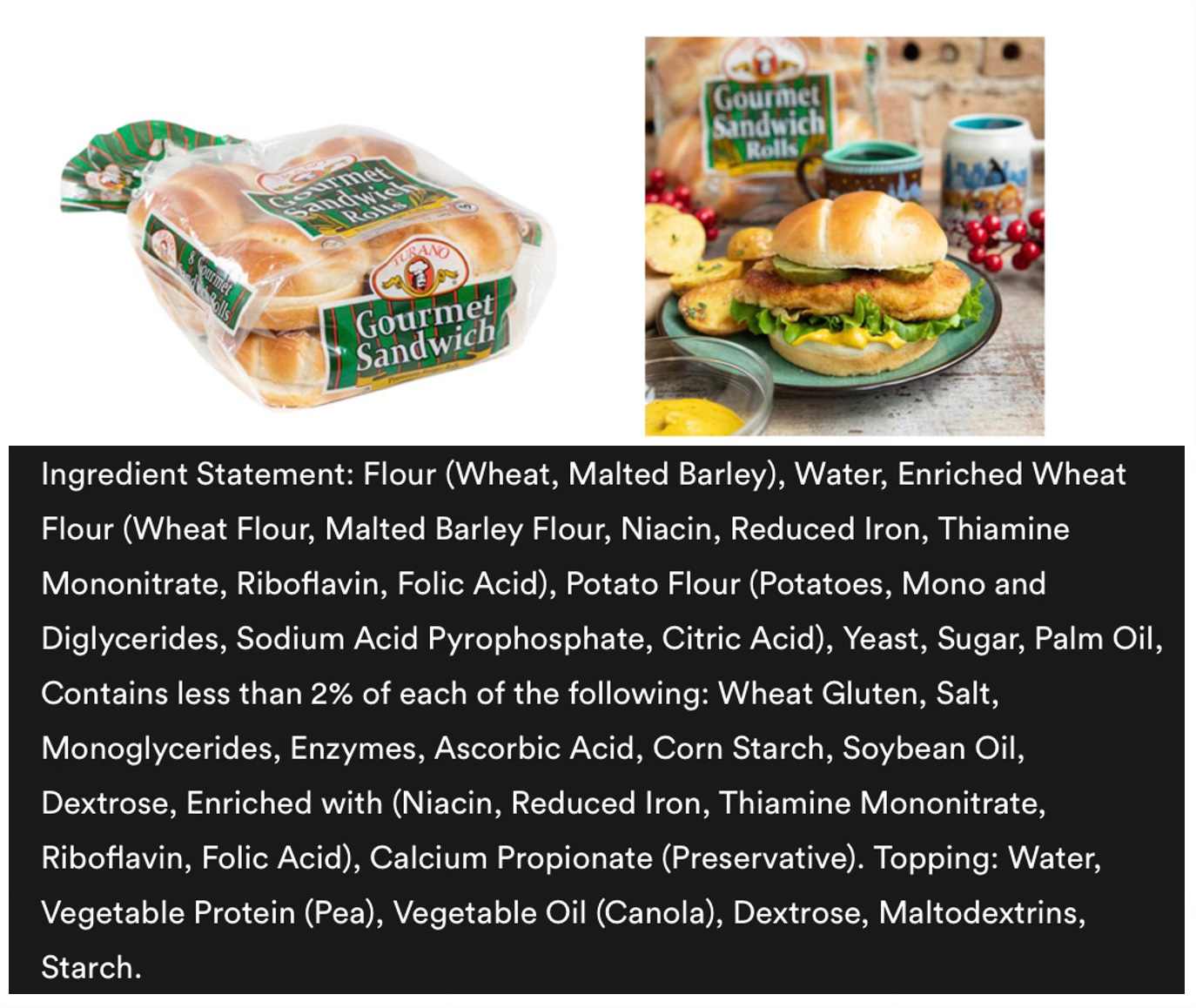
No wonder many people are seeking authentic, old-fashioned sourdough!
But here’s an unfortunate reality: not all sourdough is created equal.
Just because the label says ‘sourdough’ does not mean it is truly sourdough.
As sourdough has grown in popularity, large food companies have followed a familiar pattern (just like what they did with ‘pasture-raised’ and ‘grass-fed’): identify the health trend, replicate the flavor at scale, speed up the process, and strip away the very fermentation that made sourdough beneficial in the first place.
In the US, the word ‘sourdough’ has no legal definition.
That means a loaf can be labeled sourdough even if it is primarily made with commercial baker’s yeast, contains only a small amount of sourdough “flavoring”, and is made without the traditional fermentation process that makes sourdough special.
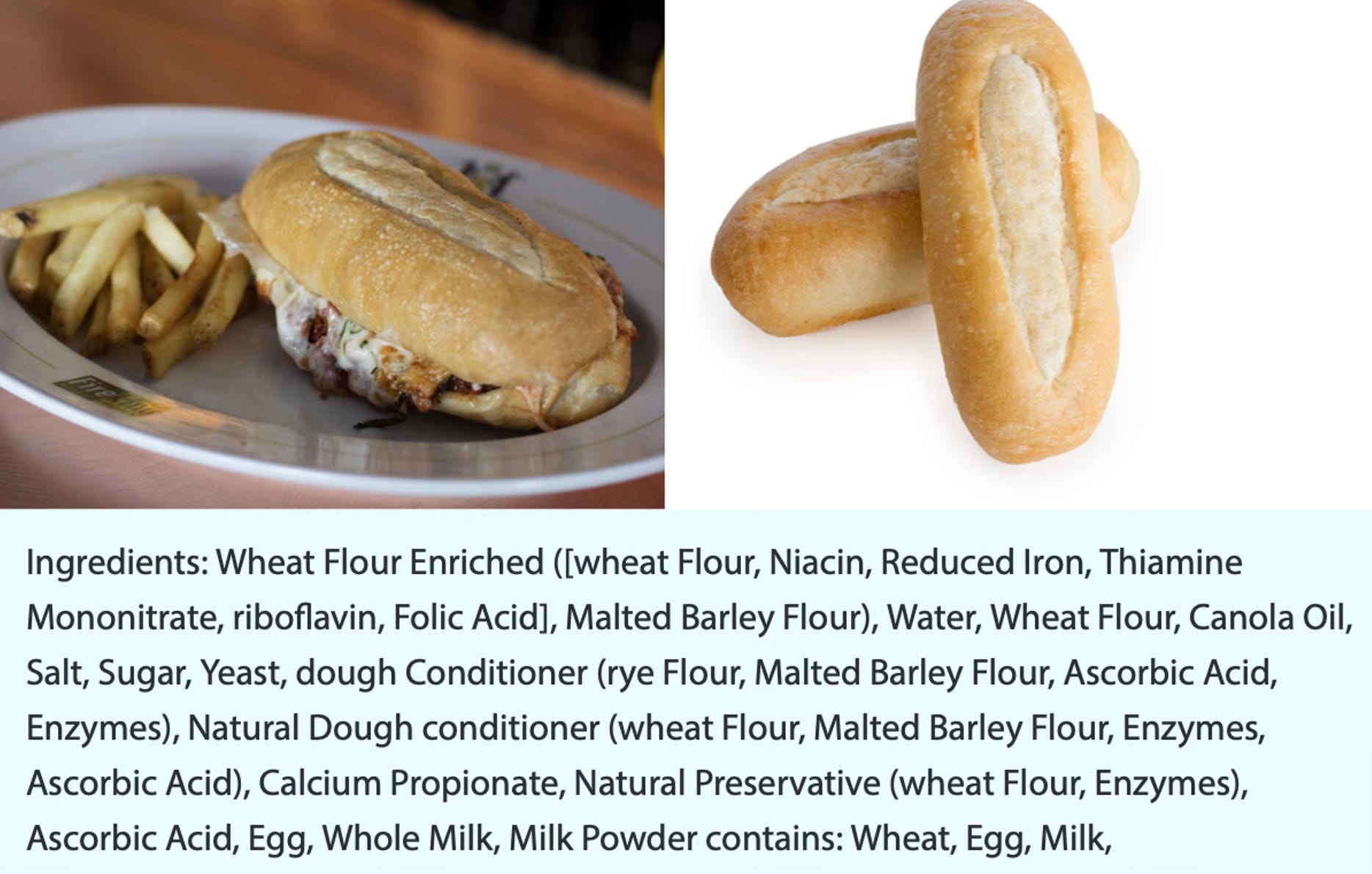
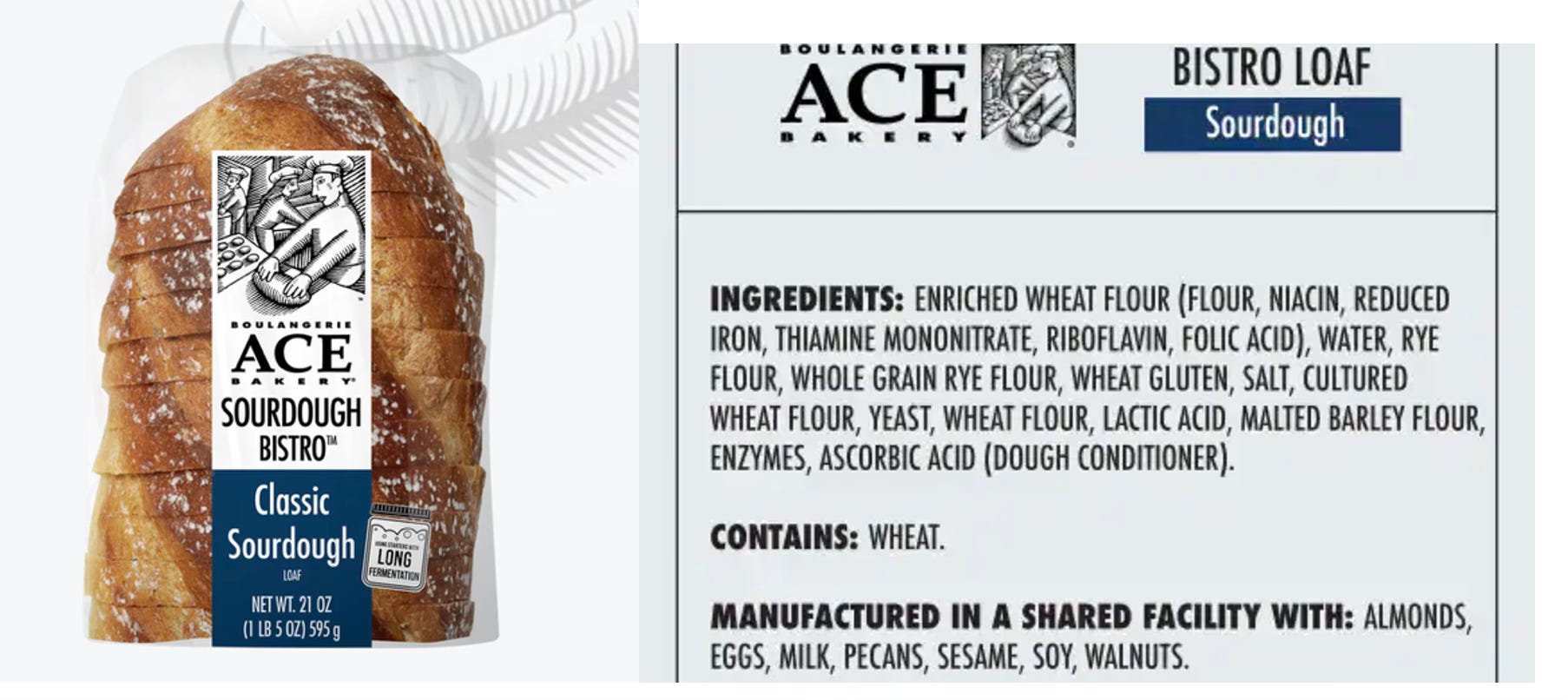
If you look at ingredient labels on many grocery store ‘sourdough’ breads, a pattern emerges.
In this example, the ingredient list includes enriched wheat flour, commercial yeast, cultured wheat flour, lactic acid, enzymes, and ascorbic acid (a dough conditioner). The presence of commercial yeast tells us immediately that this bread is not traditionally fermented. The cultured flour and added acids are there to mimic sour flavor, while dough conditioners improve texture and shelf stability. This is essentially a yeast bread with sourdough flavoring added.
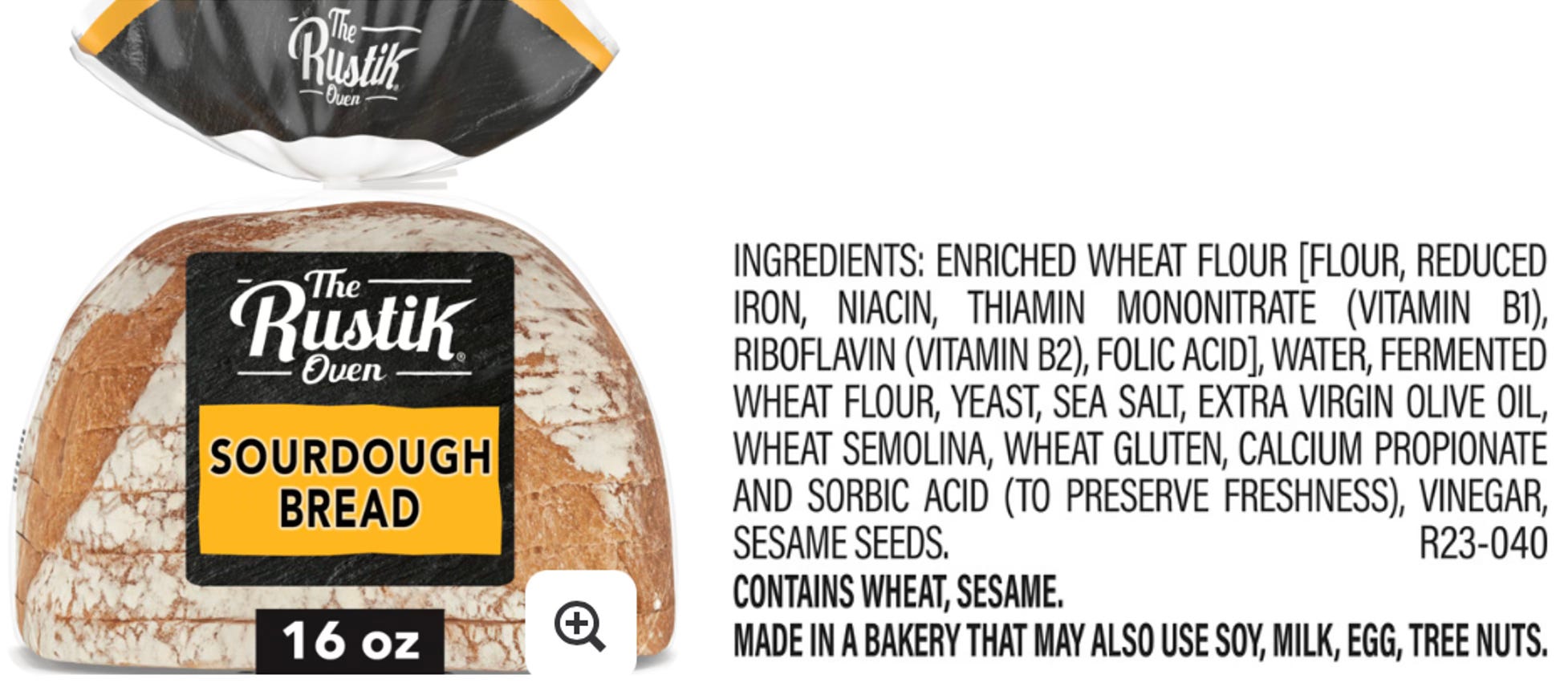
Similarly, this loaf is made with enriched flour, fermented wheat flour, yeast, vinegar, and preservatives such as calcium propionate and sorbic acid. True long-fermented sourdough typically does not require chemical preservatives because its natural acidity inhibits mold growth. When you see yeast plus preservatives, it strongly suggests short fermentation and industrial production.
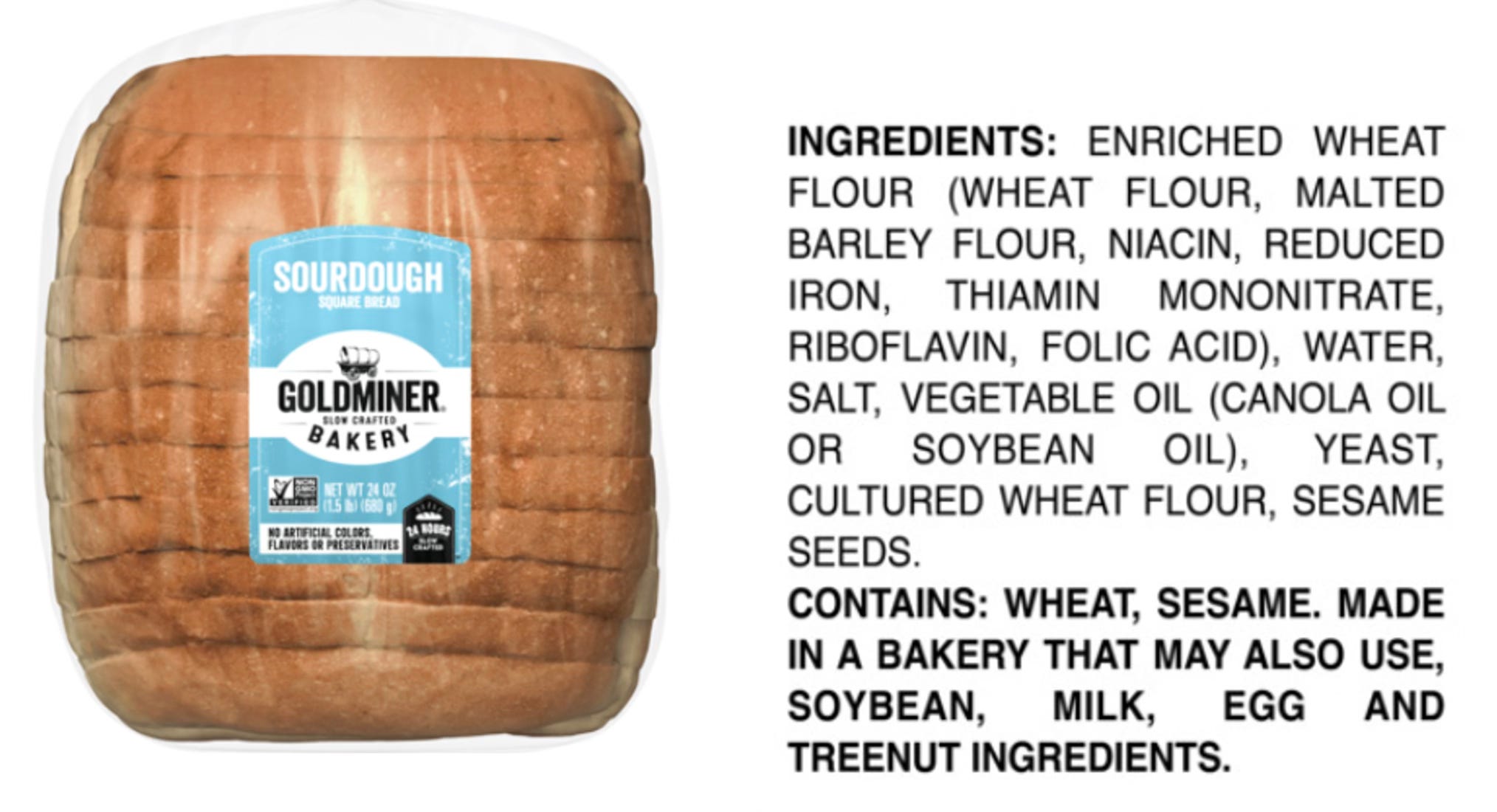
A third example also contains commercial yeast, vegetable oils, and cultured wheat flour (not an authentic sourdough starter). Again, yeast is doing the rising, while the “cultured flour” provides sour notes. Not true authentic sourdough.
These products aren’t necessarily harmful, but they are structurally and metabolically different from true, long-fermented sourdough made with just flour, water, salt, and time.
The takeaway?
The word “sourdough” on the package doesn’t guarantee traditional fermentation. The ingredient list tells the real story.
These types of products are extremely common, in big-box grocery stores and even in restaurants advertising “sourdough” on the menu.
If you’re intentionally choosing sourdough for its digestive and nutritional benefits, it’s important to know what you’re actually buying. You deserve to know whether you’re getting traditional fermentation, or just the flavor of it.
I dive much deeper into how to spot “fake sourdough” in this separate blog post. But as a simple rule of thumb: a truly traditional sourdough loaf should contain only flour, water, salt, and a wild starter.
When you can, support small bakers who are doing it right.
Labels give you claims. Knowing your baker gives you answers.
Conclusion
Our ancestors ate bread for thousands of years without the widespread digestive complaints many people experience today. The difference wasn’t that they were somehow tougher or more resilient.
Their bread was different!
It was made slowly. It was fermented naturally. It was crafted from simple ingredients. And it was allowed the time required for transformation.
So maybe the problem isn’t bread itself… maybe it’s what we’ve done to it.
Traditional sourdough baking has largely been abandoned by industrial food systems for one simple reason: time. Real sourdough cannot be rushed. It requires patience, extended fermentation, and a living starter. Those are not efficiencies, they are biological processes. And in a system optimized for speed, scale, and shelf life, time is often the first thing sacrificed.
But as we explored in this blog, that time matters.
Long fermentation supports gut health by altering fiber structure and generating prebiotic compounds. It improves mineral absorption through phytate breakdown. It modifies starch structure to support steadier blood sugar response. It enhances protein digestibility through partial breakdown of gluten proteins. It reduces acrylamide formation during baking. It increases polyphenol bioavailability. It can even reduce certain mycotoxins and naturally extend shelf life without synthetic preservatives.
And while sourdough isn’t a magic cure-all, it represents something important: a return to food made through process, not shortcuts.
When bread is made the way it was traditionally intended (with flour, water, salt, and time) it becomes a very different food than the quick-rise, additive-laden loaves that dominate grocery store shelves.
You don’t have to fear bread.
But you may need to choose it more intentionally.
Because sometimes the difference between discomfort and nourishment isn’t always the ingredients, it’s also the process!
And that belief is exactly why we spent over a year building a unique online sourdough bread delivery shop.
Our goal is simple: real sourdough, done right, conveniently delivered.
That means:
-
> Heritage wheat and ancient grains grown without pesticides
-
> Freshly stone-milled flour each week for greater nutrient density and deeper flavor
-
> True long fermentation using only a wild sourdough starter (no commercial yeast)
-
> Simple, clean ingredients
-
> More flavor, more integrity
-
> And bread that many people find easier to digest
No shortcuts, flavoring tricks, or synthetic preservatives.
Just flour, water, salt, and time, crafted with intention and conveniently delivered to your door!
Build Your Own Sourdough Box today at Nourish Food Club!