Drug Use in Livestock: Why Antibiotics and Other Drugs Are Used in Modern Animal Agriculture
Drugs are used extensively in today’s conventional livestock production systems
From chickens and pigs raised in confinement operations (CAFOs), to beef and dairy cattle in feedlots, to even conventional honeybee production, drug use spans nearly every corner of the system.
Many people know that, at least on some level. Antibiotics, vaccines, hormones, medicated feeds… it’s not exactly a secret.
But I am not sure why most people don't make this connection =
If you go out of your way to avoid pharmaceutical drugs in your own life… what about the food you’re eating from animals that were raised on them?
Because this isn’t just about a few isolated uses here and there.
In conventional livestock systems, drug use is often built into the model itself, shifting from an occasional tool into something the system depends on.
And once you understand that, a few bigger questions start to emerge:
-
> Why does the system rely on these drugs so heavily in the first place?
-
> And do these drugs actually end up in the food we eat?
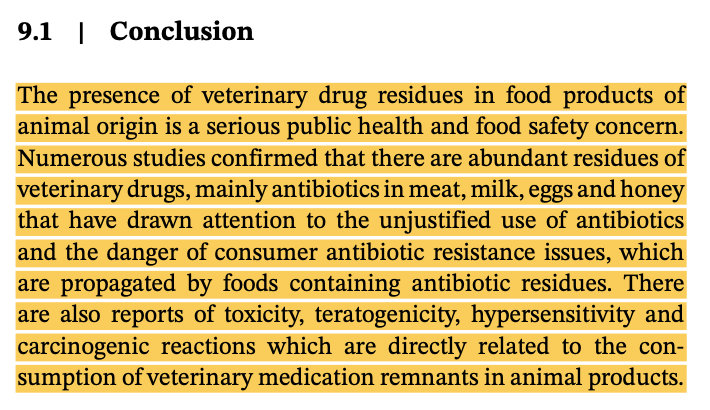
The answer to that second question is: yes, they can. A growing body of research has detected drug residues and their metabolites in meat, milk, eggs, and even honey.
Now, there are regulatory limits in place, known as Maximum Residue Limits (MRLs), designed to keep drug levels within what’s considered a “safe” range. But what those limits actually represent, how they’re determined, and what they don’t account for… is rarely discussed.
At the same time, research is beginning to demonstrate that chronic low-level exposure can carry long-term implications for both human health and the environment. (ref, ref)
And similar to pesticide regulation, the United States often allows higher residue levels than countries like the European Union.
But this isn’t just about drugs. It’s about why they’re needed in the first place.
Because this level of drug use isn’t addressing the underlying conditions driving disease in the first place.
It’s allowing the system to keep operating as-is, supporting a centralized model of food production that relies heavily on both agricultural and pharmaceutical inputs.
This is the first part of a three-part deep dive into drug use in conventional livestock production: what’s being used, why it’s used, and what it means for the food we eat.
In this first part, we’re starting with the foundation: how widespread drug use really is, and why modern systems rely on it.
Scale of Use
If drug use in livestock was minimal or occasional, this conversation wouldn’t matter much. But that’s not the reality.
Globally, a significant majority of antibiotics are sold for use in animal agriculture (ref, ref, ref). In the United States alone, roughly 70% of ‘medically important antibiotics’ (those considered critical for human medicine) are also sold for use in livestock production (ref).
And it’s important to understand that these drugs are not used only to treat sick animals. They are often used proactively, to prevent disease in otherwise healthy animals raised in high-density systems where the risk of illness is elevated.
This is what makes the scale of use so significant.
Data from the FDA highlights just how widespread this is. (And this is just data on antibiotics, not other drugs).
In 2021, total medically important antibiotic sales for livestock was ~6.2 million kg.
Species breakdown:
-
- Swine: 42%
-
- Cattle: 41%
-
- Turkeys: 11%
-
- Chickens: ~3%
Unfortunately, more recent data suggests that overall antibiotic sales are rising again.
According to newly released FDA data (ref), sales increased 15.8% from 2023 to 2024, climbing from just under 6.13 million kg to nearly 7.10 million kg, an increase of about 1 million kilograms in a single year. That’s a 28% increase compared to 2017 levels (ref), and the largest single-year increase since tracking began.
And this increase cannot be explained by higher meat production (ref). Total U.S. meat production rose by less than 1% in 2024, suggesting that other factors (such as increase reliance on confinement systems) are driving the rise.
The most recent FDA data in 2024 (ref) shows:
-
- Swine accounted for 43% of medically important antibiotic sales (~3 million kg)
-
- Cattle accounted for 41% (~2.9 million kg)
-
- Chickens accounted for just 4%, although sales for poultry rose sharply, up 79% from 2023 to 2024, the largest percentage increase across all species
Today, pork and beef production account for the vast majority of antibiotic use in the U.S. And while poultry has reduced its use since 2017, that doesn’t mean reliance on antibiotics has been eliminated.
(It’s also important to note that this data focuses on antibiotic sales, not actual on-farm use, and not the broader range of drugs used in livestock production. It also doesn’t capture how long antibiotics are used, at what doses, or under what specific conditions.)
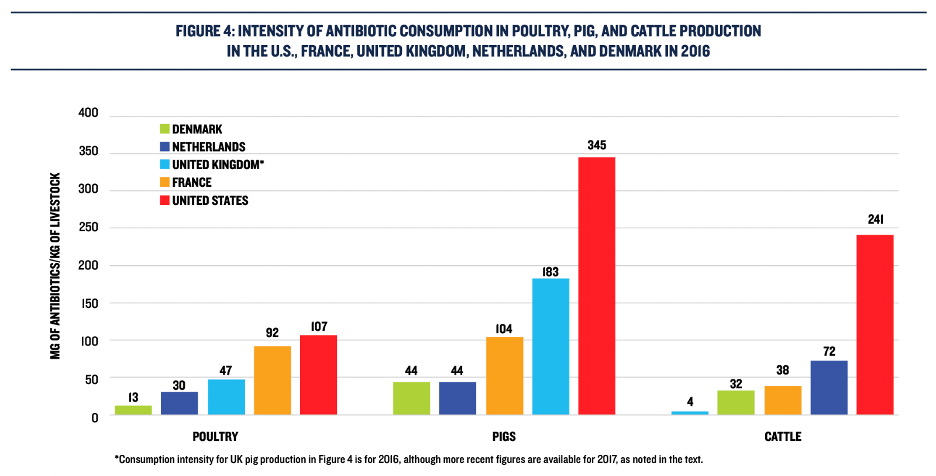
When compared globally, the U.S. also stands out. Livestock production in the United States uses antibiotics at a significantly higher intensity, nearly double that of livestock production across 30 European countries combined (ref).
The 2017 VFD
In response to growing concerns around antibiotic use in livestock, regulations like the Veterinary Feed Directive (VFD) were implemented by the FDA in 2017.
The VFD was framed as a major step forward in regulating drug use in animal agriculture. Its goal was to limit the routine use of “medically important antibiotics”in livestock production, particularly those used for growth promotion.
Part of the push behind this shift came from growing consumer demand for more transparency and reduced antibiotic use in the food system (ref). And honestly, that’s worth highlighting, since it shows the power of consumer awareness to drive change.
In response, regulators introduced new rules to bring more oversight to how these drugs were used.
One major change was that growth promotion claims were removed from antibiotic labels. These drugs could no longer be marketed or used explicitly to make animals grow faster, a meaningful and important shift.
Another key change was access. Antibiotics that had previously been available over-the-counter now required authorization from a licensed veterinarian. Under the VFD, certain drugs added to animal feed can only be used with a written order from a veterinarian who has an established relationship with the farm and understands the animals being treated.
In theory, this added a layer of accountability. But in practice, the impact is more nuanced.
Most large-scale livestock operations already operate with regular veterinary oversight. In those cases, obtaining a VFD is often less of a barrier and more of a procedural step. It becomes part of routine paperwork rather than a meaningful checkpoint.
And while the intent was clear (to reduce unnecessary antibiotic use and preserve their effectiveness for human medicine) the policy had important limitations.
The VFD applies only to antibiotics considered medically important to human health. It does not cover the wide range of other drugs used in livestock production.
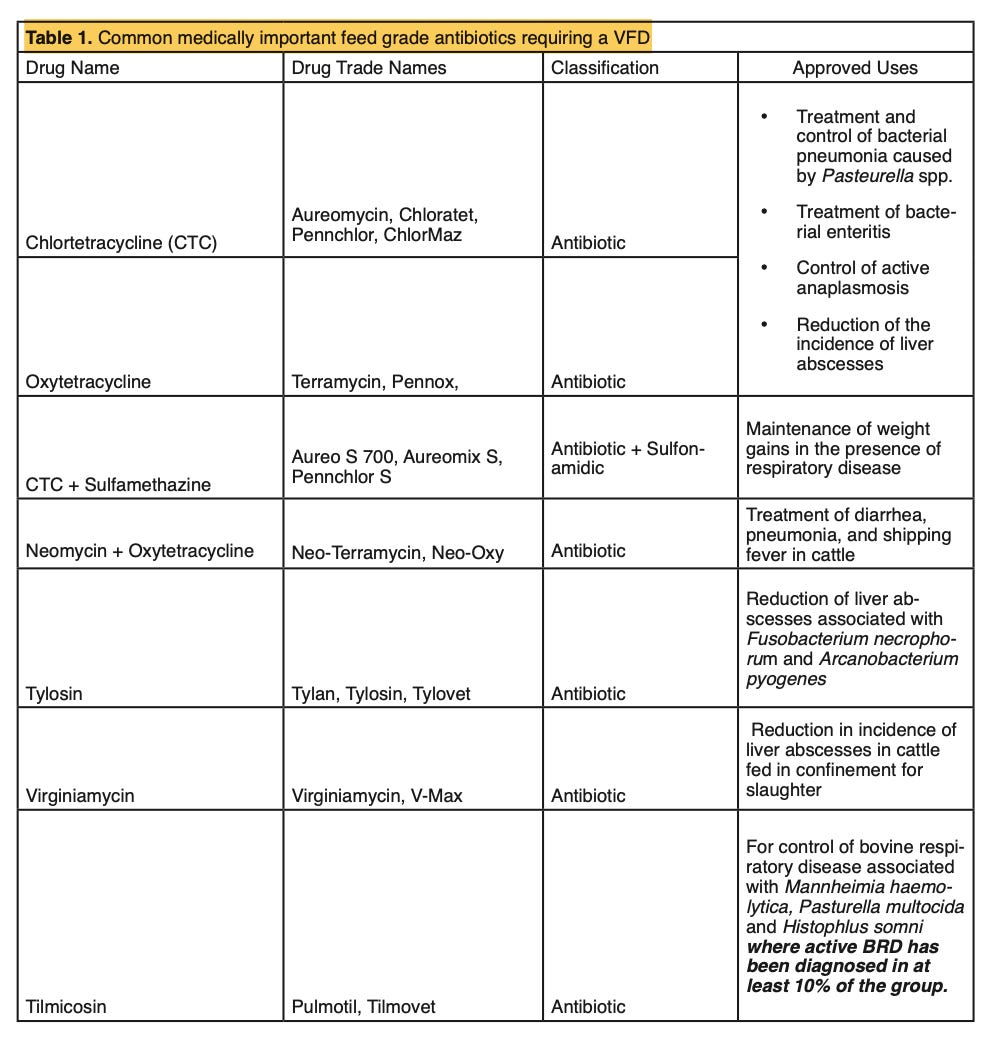
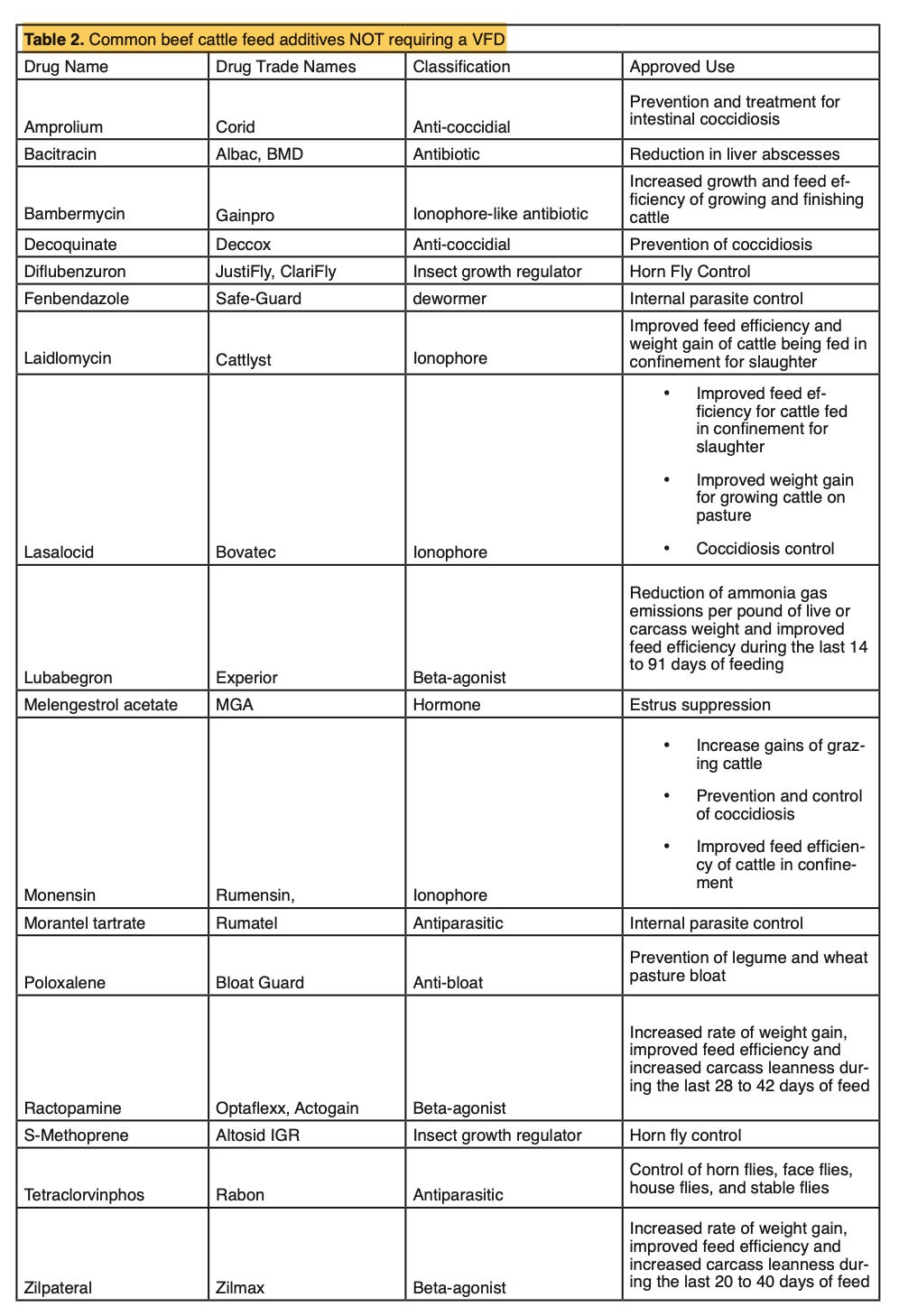
For example, drugs that are not considered medically important to humans (such as ionophores like monensin and lasalocid) do not require a VFD and can still be used without veterinary authorization. These compounds are widely added to cattle and poultry feed to improve feed efficiency and control parasites. Similarly, many coccidiostats, antiparasitics, and other production aids fall outside the scope of the VFD.
As an example, a 2022 “Feed Additives for Beef Cattle Production” report from OSU Extension (ref) outlines this clearly: some drugs require veterinary oversight, while many commonly used feed additives do not.Table 1 lists the drugs that require a vet note, while other commonly used drugs, shown in Table 2, do not require a VFD.
And while antibiotics can no longer be used explicitly for growth promotion, they can still be used for disease prevention and control, uses that remain fully legal under the VFD.
So, the broader pattern is clear: drug use in animal agriculture did not disappear after 2017.
It shifted, adapted, and remains a central part of modern livestock production.
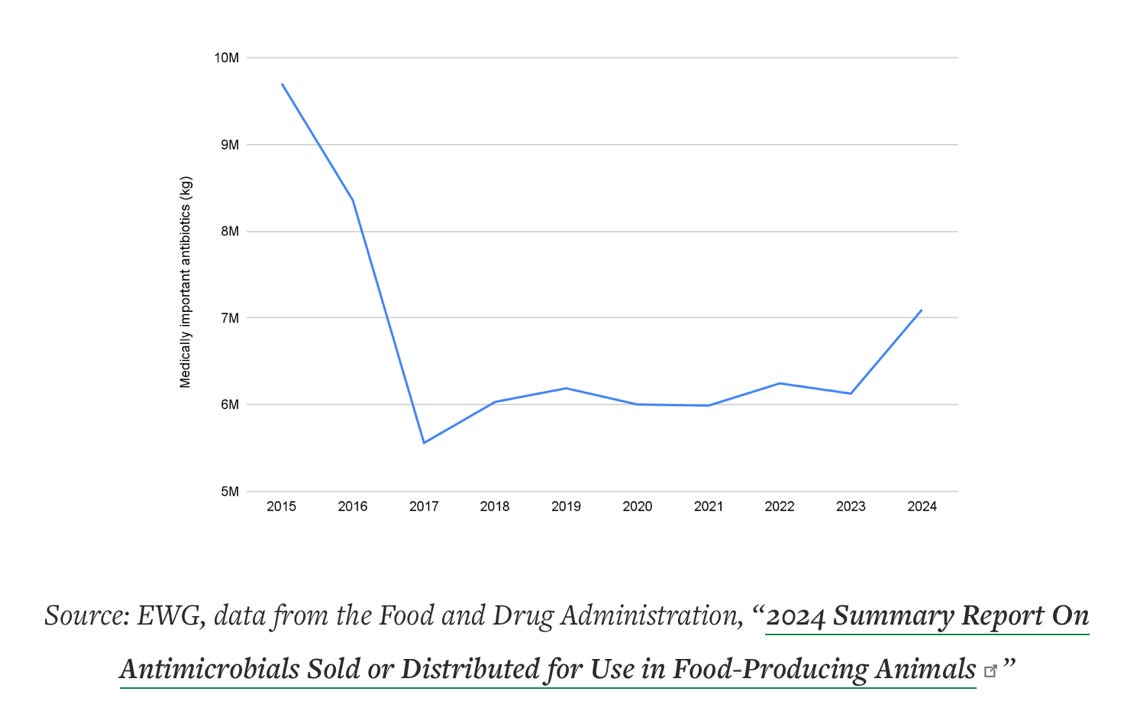
Fig from ref, demonstrating that antibiotic sales are trending upwards again after the 2017 VFD.
The VFD did remove the most overt use of antibiotics as performance enhancers and changed how these drugs are labeled and prescribed.
But it did not fundamentally change the conditions that make routine drug use common in the first place.
Modern high-density livestock systems are designed for efficiency: high throughput, rapid growth, disconnection from nature and tight margins. And under those conditions, disease pressure remains high, making pharmaceutical intervention a routine part of keeping the system running.
So to really understand why drug use persists, you have to look at the system itself.
Because drugs aren’t being used in a vacuum.
They’re being used in response to specific conditions that are largely built into how modern livestock production operates.
Why are drugs used in modern livestock systems?
At its core, drug use in livestock comes down to one thing: managing risk in high-density environments.
When large numbers of animals are raised in close quarters, the risk of disease transmission increases significantly. Pathogens can spread quickly, stress levels rise, and immune function can become compromised.
Under these conditions, drugs are used not just to treat illness, but to prevent it. And this prevention is just part of the day to day routine.
In other words, the system design creates the risk, and drugs are used to manage it.
Drug use becomes necessary because of how animals are raised.
Take a modern chicken barn as an example. Housing 30,000-200,000+ birds inside large, enclosed buildings is a relatively recent development in human history. It is not how chickens evolved to live. Crowded housing, limited or no outdoor access, poor air quality, and minimal movement place hens under ongoing physiological stress.
And chickens aren’t the exception, they’re the blueprint. This model of confinement has been applied across species: pigs in barns, cattle in feedlots, animals raised in high-density systems with limited ability to move or express natural behaviors.
Today, this is not the exception, it’s the norm.
“Factory farms,” or concentrated animal feeding operations (CAFOs), are industrial systems where large numbers of animals are raised in confined spaces with limited ability to move or express natural behaviors. Instead of living on pasture, animals are housed in crowded barns, cages, or feedlots, removed from sunlight, soil, and their natural environment. While this model has made meat, eggs, and dairy cheaper and more abundant, it has come with trade-offs: decline of small farms, reduced food quality, environmental strain, and the hollowing out of rural communities.
An estimated 99% of U.S. farmed animals are raised in these types of systems.
Once you understand that environment, it becomes easier to understand why drugs are used so routinely.
On the surface, drugs are used for straightforward reasons: to treat disease, prevent outbreaks, improve efficiency and growth, and produce cheap food at scale.
But the real driver behind widespread drug use is the structure of modern livestock production itself, because the conditions for disease are built into the system.
-
> Animals are raised in confined spaces with limited movement, shared feed and water sources, and constant exposure to waste.
-
> Crowding also elevates litter moisture levels (ref, ref), enhances microbial activity (ref), and increases gas emissions (ref), all of which contribute to a more favorable environment for pathogens to grow and spread.
-
> Large populations of genetically similar animals remove natural immune “firebreaks,” allowing pathogens to move rapidly through herds and flocks (ref).
-
> The scale and density of these operations facilitate repeated transmission cycles (ref, ref, ref)
-
> The constant throughput of animals ensures a steady supply of new, vulnerable hosts (ref, ref, ref). As a result, pathogens are effectively “rewarded” for becoming more transmissible and in some cases, more virulent (ref).
Immune Suppression in CAFOs
Health depends on a strong immune system, but crowded environments in confinement systems can suppress immune function (ref, ref, ref, ref), increasing animals’ susceptibility to infection.
Confinement-based systems negatively impact immune health and increase disease risk through several mechanisms (though their extent can vary widely depending on management practices within different barns and feedlots!)
1. Chronic stress → suppressed immunity
Chronic stress is well known to suppress immune function in humans, and the same biology applies here. It comes down to how the body prioritizes survival. When an animal is under ongoing stress, the body activates its stress response system primarily through hormones like cortisol. Over time, resources are shifted toward immediate survival (fight-or-flight) and away from essential functions like immune defense and repair.
This phenomenon is well established in poultry (ref). When birds are exposed to sustained stress, the hypothalamic–pituitary–adrenal (HPA) axis is activated, increasing levels of corticosterone, the primary stress hormone in birds. Elevated corticosterone alters hormone signaling, nutrient partitioning, immune function, and metabolism, ultimately weakening the animal’s ability to defend itself.
-
> Caged and confined hens show higher stress markers, more anxiety, and lower immune function compared to hens raised in more complex environments (ref ref)
-
> Birds kept in crowded conditions even show damage to key immune organs, including the bursa and spleen (ref), indicating that overcrowding directly compromises immune capacity
The same pattern holds across species. Pigs given access to pasture have lower cortisol levels compared to pigs in confinement (ref), reinforcing that indoor, high-density systems are associated with elevated physiological stress.
In cattle, research shows that animals in feedlot environments exhibit higher stress indicators than those raised on pasture.
-
> Feedlot-finished cattle have elevated blood glucose and cortisol levels (ref)
-
> Hair cortisol measurements confirm that this isn’t just short-term, chronic stress can persist through confinement at feedlots (ref)
Grazing systems, by contrast, allow for natural behavior and are generally associated with lower baseline stress levels.
2. Loss of natural behavior
Animals in confinement systems are often unable to express basic, instinctual behaviors. Chickens cannot perch, forage, nest, or dust bathe. Cattle cannot freely graze or roam. Pigs cannot root or explore.
These aren’t minor preferences, they are biologically driven behaviors. When animals are prevented from expressing them, it creates frustration and stress, which further impairs immune function (ref).
Research shows that feedlot systems can compromise behavioral, physiological, and even mental functioning in cattle (ref), while confined feeding systems prevent animals from self-selecting their diet, something they would naturally do to meet their nutritional needs (ref).
In pigs, this has been studied extensively. In modern intensive systems, sows are often kept on concrete or plastic flooring and confined in narrow crates before and during farrowing. These conditions severely limit their ability to perform natural nest-building behaviors for their piglets. Studies show that this restriction increases plasma cortisol levels (ref), linking behavioral deprivation directly to physiological stress.
Adequate space and environmental complexity are not luxuries… they are fundamental for normal biological function. When those needs aren’t met, stress responses are triggered, and immune health declines.
3. Less Movement
Part of natural behavior is simply movement (which is vital for biological functions to run properly). And high stocking densities in barns and feedlots reduce activity levels, and that has real consequences for health! Less movement doesn’t just affect muscle, it affects metabolism, circulation, and immune function.
You already understand this intuitively. If you sat on the couch all day and didn’t move, your health would decline.
-
> Research shows that chickens raised at high stocking densities exhibit significantly less activity (ref, ref, ref), along with increased physiological and oxidative stress markers.
-
> In cattle, daily movement and exercise improves overall health, reducing disease incidence, injuries, and the need for veterinary treatments. In contrast, confinement systems that limit movement are associated with higher rates of conditions like subclinical mastitis and metabolic disorders around calving (ref).
-
> Differences emerge at the metabolic level as well. The metabolic profile of grain-fed, feedlot cattle has been shown to resemble a more glycolytic, stress-associated state (ref, ref), similar to patterns seen in humans with metabolic dysfunction and diabetes.
Humans and animals are designed to move. When that movement is removed to reduce costs, it often comes at the expense of their health, ultimately increasing reliance on pharmaceutical interventions.
4. Increased Oxidative Stress
The living conditions can increase oxidation in the body: a process that damages cells and biological structures, including those critical for immune function and overall health.
There’s a compounding effect here. Lower immune function can increase oxidative stress (ref), and higher oxidative stress further impairs immune health. It becomes a feedback loop: more stress, more damage, weaker defenses.
And diet plays a major role in this as well.
In modern livestock systems, many animals (especially pigs and chicken), are fed diets higher in polyunsaturated fats (PUFAs) than what they would historically consume. PUFAs are chemically unstable and more prone to oxidation, and higher PUFA intake has been shown to increase oxidative stress in livestock (ref, ref, ref).
Even in cattle, differences are evident. Grain-fed animals show higher levels of oxidative stress and lower antioxidant status compared to grass-fed animals. For example, levels of homocysteine and 4-hydroxynonenal glutathione, two markers of oxidative stress, were significantly elevated in grain-fed beef, while key antioxidants like urate and glutathione were higher in grass-fed beef (ref).
In other words, both environment and diet are pushing the animal toward a more oxidized, stressed physiological state.
Increased oxidation doesn’t just reflect damage, it contributes to it, impairing immune function and overall resilience (ref).
5. Disruption of Natural Light Cycles (Circadian Rhythms)
All animals (including humans) are biologically programmed to follow natural light and dark cycles. These rhythms regulate hormone production, metabolism, sleep, immune function, and overall health. Light exposure, especially sunlight, is one of the primary signals that keeps these systems in sync. When animals are in tune with their circadian rhythm, overall health and immunity runs better.
In many confinement-based livestock systems, this natural rhythm is disrupted. Animals are often exposed to artificial lighting for extended hours, sometimes to stimulate feed intake or growth, rather than following natural sunrise and sunset cycles. At the same time, they may have little to no exposure to direct sunlight and are frequently housed on concrete or enclosed surfaces, disconnected from natural environmental inputs.
And this matters more than it might seem.
-
> Laying hens exhibit clear circadian rhythms in body temperature and activity that are tightly synchronized with light–dark cycles, underscoring the importance of proper lighting patterns for normal biological function and behavior. (ref)
-
> Circadian rhythms regulate thousands of genes in livestock, playing a central role in metabolism and overall health, with disruption increasing the risk of disease, especially metabolic disorders. (ref)
-
> In dairy cattle, disruption of natural light–dark cycles has been shown to alter metabolism, contributing to insulin resistance and impaired glucose regulation. (ref)
-
> In pigs, circadian rhythms of key stress hormones like cortisol develop over time and can be disrupted by stress, altering normal hormonal balance and physiological responses. (ref)
When these systems fall out of sync, the body becomes less efficient at maintaining balance and responding to stressors, including disease.
Sunlight exposure is also directly tied to nutrient status. For example, animals raised on pasture typically have higher levels of vitamin D compared to those raised indoors (ref), reflecting their exposure to natural light. Vitamin D plays a critical role in immune function, inflammation regulation, and overall health.
Light isn’t just about visibility, it’s a biological signal that helps regulate the entire system.
When animals are removed from natural light cycles and environments, it adds another layer of physiological stress and dysregulation, further contributing to the reliance on pharmaceutical interventions.
When you take a step back, a clear pattern emerges.
These systems can increase pathogen exposure, suppress immune function, and create ongoing physiological stress.
All at the same time.
To be clear, not all indoor housing is inherently harmful. Animals sometimes need protection from severe weather, and well-managed environments can support health.
But in many large-scale systems, conditions go far beyond what is biologically supportive. Instead, they create a perfect storm for disease.
And in that kind of system, drug use becomes routine. Not because something has gone wrong, but because the system depends on it to function.
What drugs are used in livestock production?
But what exactly is being used? And how are animals exposed to these compounds in the first place?
Drugs can be administered in multiple ways. Some are given as injections to individual animals. Others are delivered through daily drinking water. And many are incorporated directly into feed (‘medicated feed’) sometimes at low, continuous doses across entire groups of animals. So in many systems, drug exposure isn’t just targeted, it can be routine and group-wide.
Across modern livestock production, several major categories of drugs are commonly used:
- - antibiotics
- - antiparasitics
- - beta-agonists
- - hormones
- - vaccines
- - and in some cases, pesticides that function biologically like drugs
Before reviewing some of the specifics, it’s worth pointing out that there’s a big difference between using a drug when it’s actually needed (like treating a sick animal) and relying on routine, ongoing pharmaceutical use to prevent problems created by the system itself.
It’s similar to human health. Emergency care and targeted treatment certainly have their place. But depending on a steady stream of pharmaceutical drugs just to stay functional is a very different situation.
This also is not an exhaustive list, but it gives a high-level look at the main types of drugs used in modern livestock production.
Antibiotics
Antibiotics are one of the most widely used drug classes in modern livestock production. While their original purpose is straightforward (to treat bacterial infections) the way they are used in large-scale systems often extends far beyond treating individual sick animals.
Antibiotic use generally falls into two categories: therapeutic and subtherapeutic.
Therapeutic use refers to treating animals with clinically diagnosed infections (ref, ref). This is the use most people are familiar with, and in many cases, it is necessary to preserve animal health.
But a significant portion of antibiotic use falls into the second category. Subtherapeutic use involves administering low doses of antibiotics to otherwise healthy animals, typically through feed or drinking water. This is done to prevent disease (prophylaxis) or, historically, to promote growth (ref, ref, ref).
Although antibiotics are no longer legally permitted for growth promotion in the U.S., they are still widely used for disease prevention and control, often across entire groups of animals. And in practice, the line between prevention and growth promotion can be difficult to distinguish (ref, ref, ref).
Antibiotics may be administered through daily drinking water in poultry and hog barns (ref) or mixed into feed and given continuously at low levels.
In feedlot cattle, it’s estimated that 50–60% of animals receive low-dose antibiotics during the feeding period (ref, ref), largely due to the elevated disease risk associated with crowded conditions (ref).
Across livestock production, a wide range of antibiotic classes are used, including tetracyclines, penicillin, streptomycin, sulphonamides, macrolides, aminoglycosides, β-lactams, lincosamides, and quinolones (ref, ref, ref). Some of these are considered “medically important antibiotics,” meaning they are also used in human medicine.
For example:
-
> Tetracyclines are among the most commonly used antibiotics in food-producing animals and are even used in beekeeping for honey production (ref)
-
> Sulphonamides are frequently used to treat bovine mastitis and have been linked to detectable residues in dairy products (ref)
While therapeutic antibiotic use plays an important role in maintaining animal health, the widespread use of antibiotics at low doses across entire populations raises important questions about long-term human health (something we’ll explore further in Part 3 of this series).
Antiparasitics
Antiparasitics are another widely used class of drugs in modern livestock production. These compounds are used to control parasites, both internal (like worms and protozoa) and external (like flies, mites, and lice).
In more natural living environments, animals are exposed to lower parasite loads and can often tolerate or manage them. But in high-density livestock systems, parasite pressure increases significantly, making routine control far more common.
A wide range of antiparasitic compounds are used across species, including anthelmintics (for worms), coccidiostats (for protozoal infections), insecticides, and insect growth regulators (ref).
One of the most common uses, especially in poultry, is the prevention of coccidiosis, a parasitic disease that spreads rapidly in crowded, indoor environments. To manage this risk, anticoccidial drugs are often added directly to feed. Compounds like amprolium, decoquinate, and diclazuril are widely used, and in conventional broiler systems, their use is nearly universal. Rather than treating individual sick animals, these drugs are often administered continuously to entire flocks to prevent outbreaks.
In cattle, antiparasitic compounds are commonly included in feed or applied directly to control both internal parasites and external pests like flies.
Common examples include:
-
- Tetrachlorvinphos (Rabon): a larvicide targeting multiple fly species
-
- Diflubenzuron: an insect growth regulator that disrupts insect development
-
- S-methoprene: used specifically against horn flies
In pigs, antiparasitics are also routinely used to control internal parasites such as roundworms and external parasites like mites and lice. Common compounds include ivermectin and fenbendazole, administered through feed, water, or injection depending on the system.
Just like with antibiotics, these drugs are not only used to treat active infections. They are often used preventatively, across entire groups of animals, in response to the environmental conditions created by the system itself.
Vaccines
Vaccines are one of the more debated tools in modern livestock production. Some view them as a critical tool for disease prevention, while others (and some consumers) have growing concerns about their increasing use.
But the reality is that vaccination has expanded significantly over the past few decades, with more vaccines and increasingly complex schedules now common across production systems. In some cases, particularly in poultry, reductions in antibiotic use have been made possible by a greater reliance on vaccines.
It’s also important to note that vaccines are used across many types of livestock systems, including regenerative and pasture-based farms. So the difference is often not whether vaccines are used, but how heavily systems rely on vaccine interventions overall.
In conventional livestock production, vaccination programs are typically extensive, involving multiple vaccines administered at different stages of life.
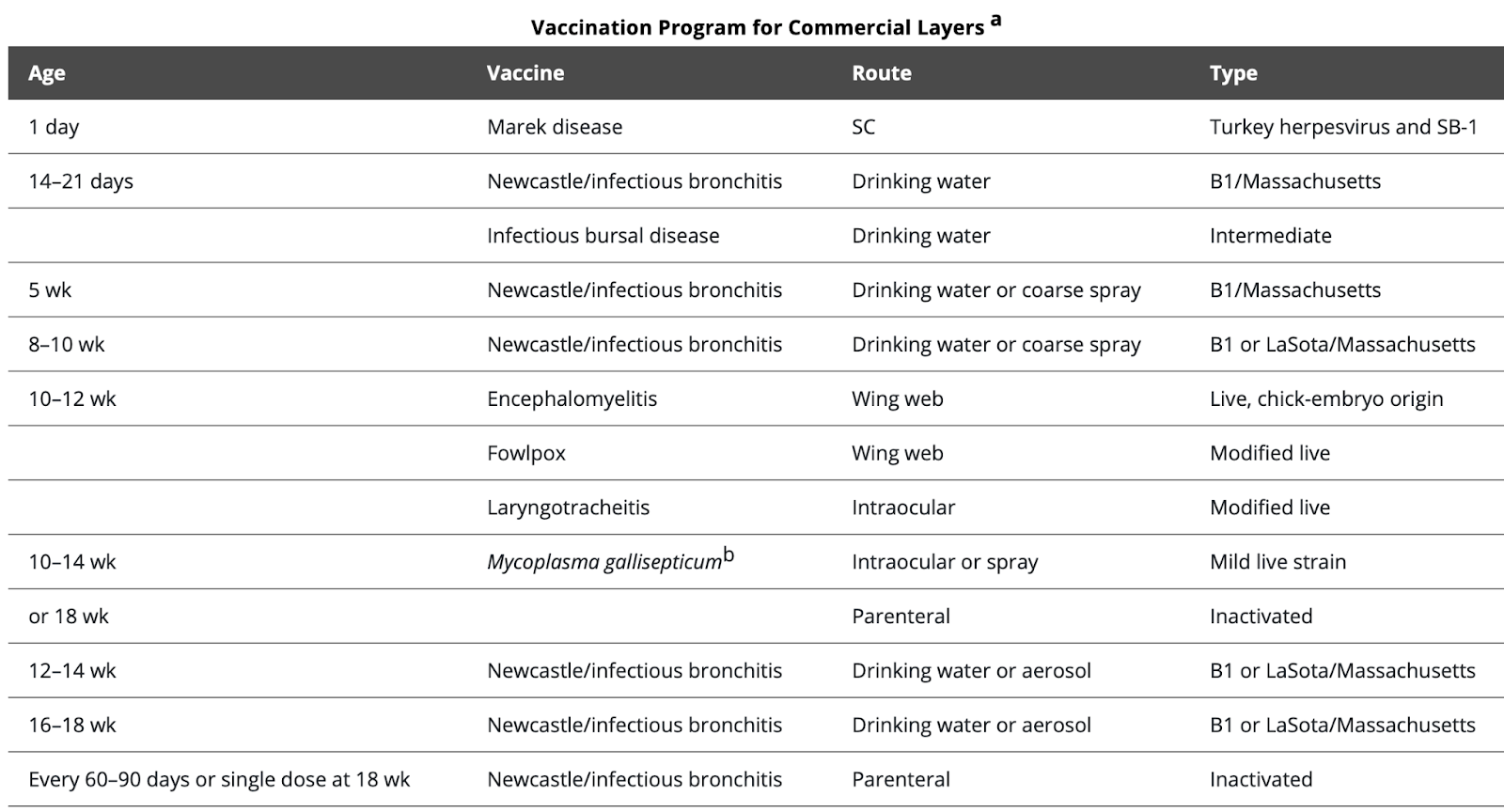
For example, commercial laying hens are routinely vaccinated (sometimes multiple times) against diseases such as Marek’s disease, Newcastle disease, infectious bronchitis, and Salmonella.
These vaccines may be administered before hatch (in-ovo), by injection after hatching, or through drinking water or spray. This allows entire flocks to be treated at once.
Here is a common vaccination program for commercial layer birds (ref)
And here is a typical vaccination schedule for a meat bird that typically has a 5-6 week life in commercial systems. (ref)
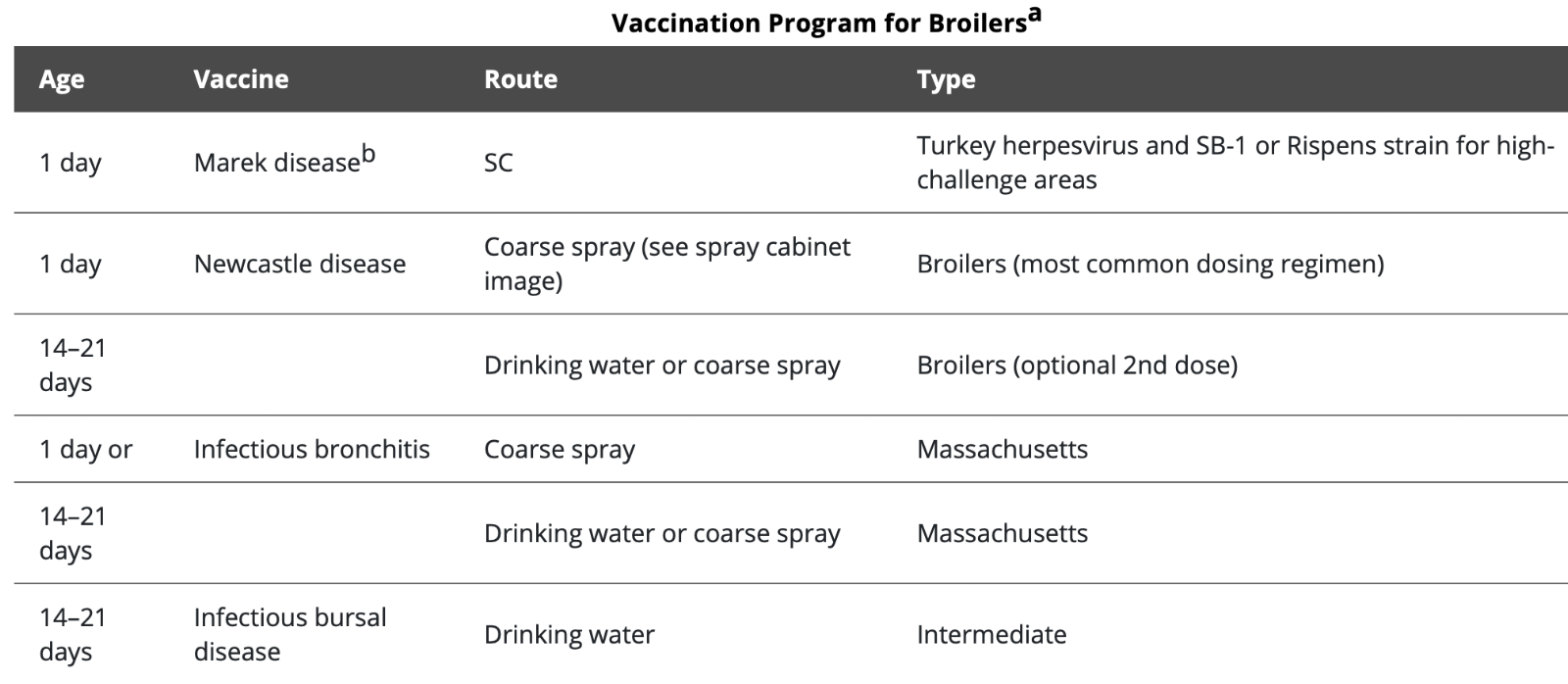
In cattle, vaccination schedules can be similarly structured, especially for animals entering feedlot systems.
A typical calf destined for a feedlot often receives: (ref, ref, ref, ref)
-
- Early-life vaccines for clostridial diseases (such as blackleg)
-
- Modified live virus (MLV) vaccines targeting respiratory diseases like IBR, BVD, PI3, and BRSV
-
- Additional vaccines for bacterial pathogens like Mannheimia and Pasteurella
-
- Multiple booster doses before and after weaning
-
- Further vaccination upon entry into the feedlot
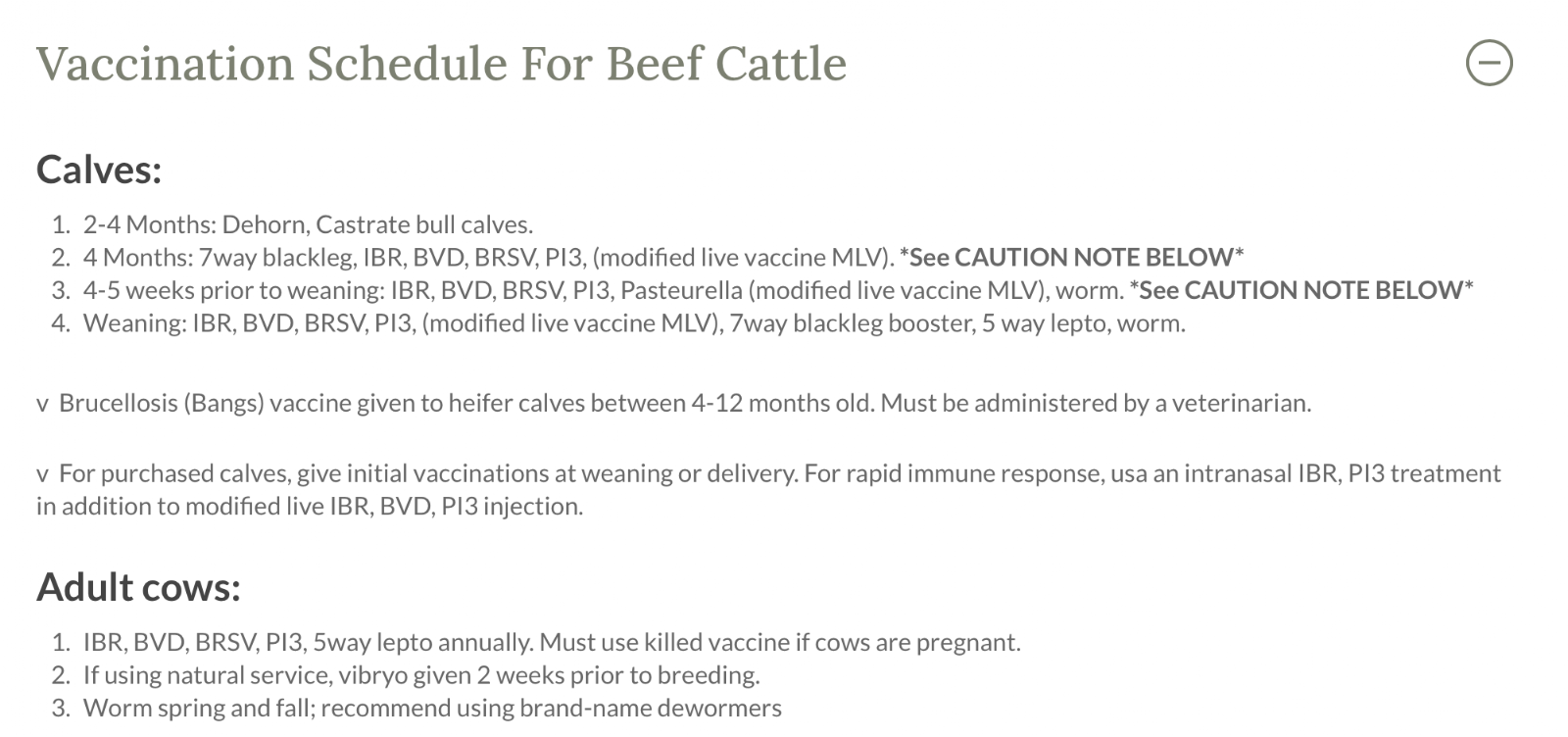
These protocols are designed to prepare animals for the conditions they will face, particularly the increased disease pressure associated with transport, commingling, and confinement.
Separate vaccination programs are often used for breeding animals as well, adding another layer of intervention across the production cycle.
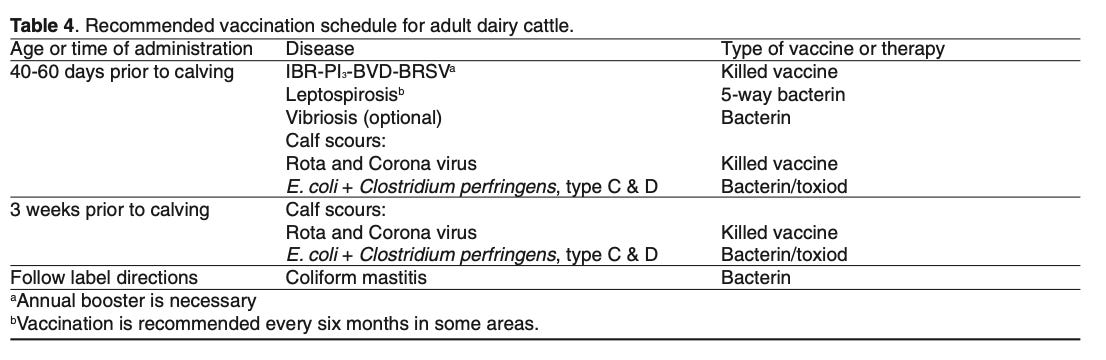
Recommended Vaccination schedule for dairy cows (ref):
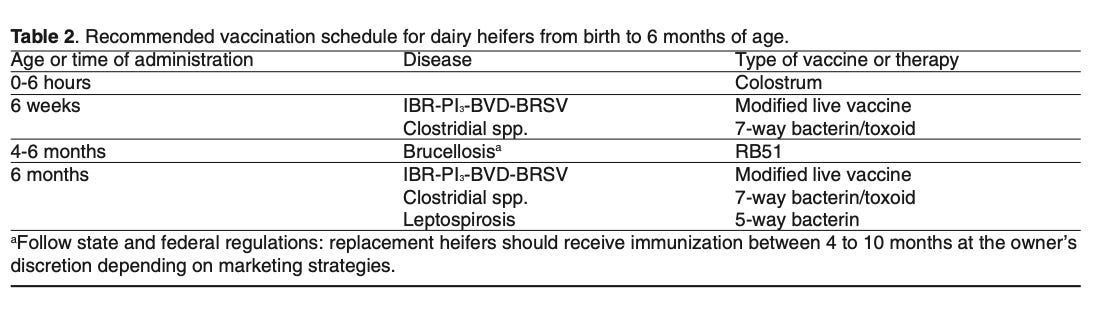
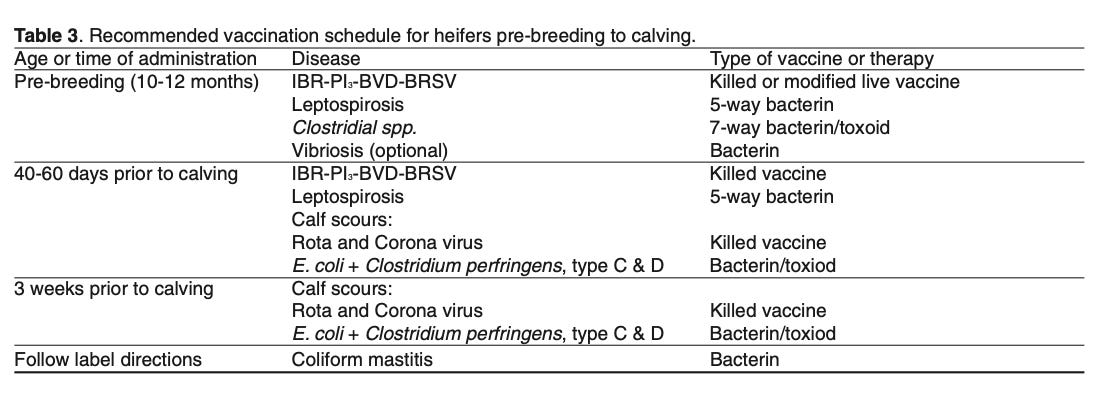
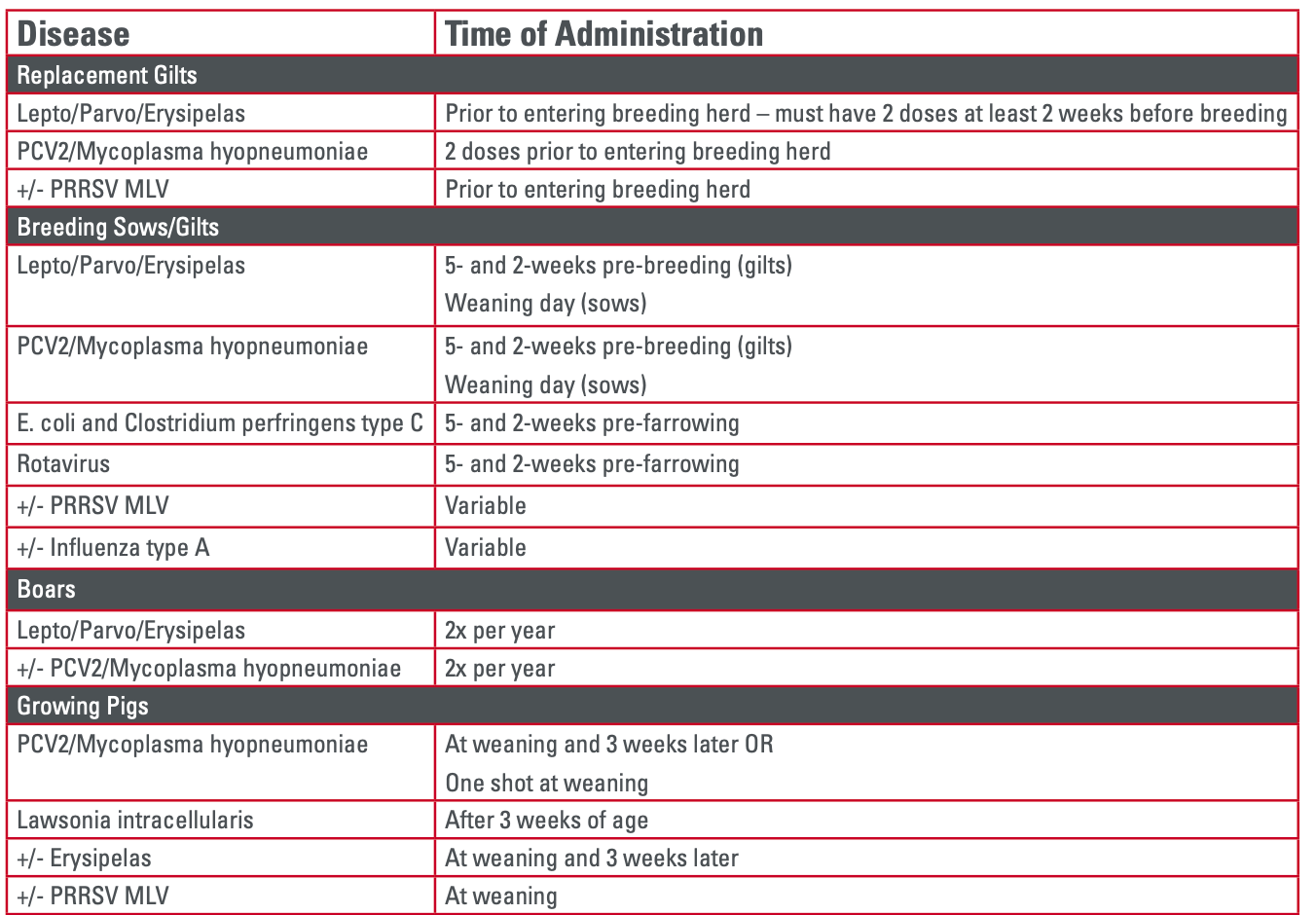
As you can imagine, similar extensive vaccination programs are used in pigs. (ref)
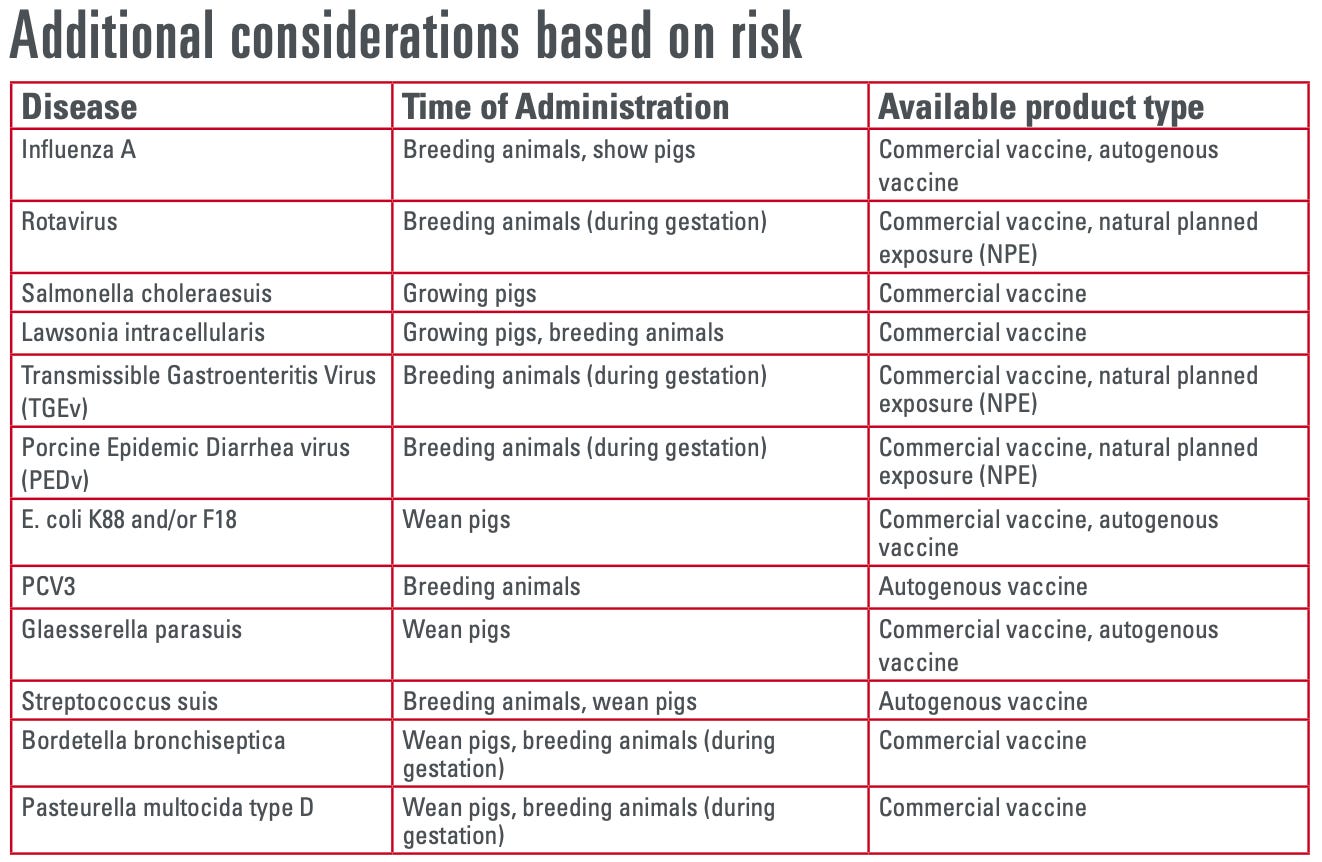
Newer technologies, like mRNA-based vaccines, are beginning to emerge in livestock production, particularly in pigs. For example, a product called SEQUIVITY® (ref) is a commercially available, USDA-approved platform by Merck Animal Health that uses mRNA-based vaccine technology to target diseases like Influenza A and Porcine circovirus.
While these vaccines are not currently approved for use in cattle or poultry, ongoing research and development suggest they will likely become more common in the future.
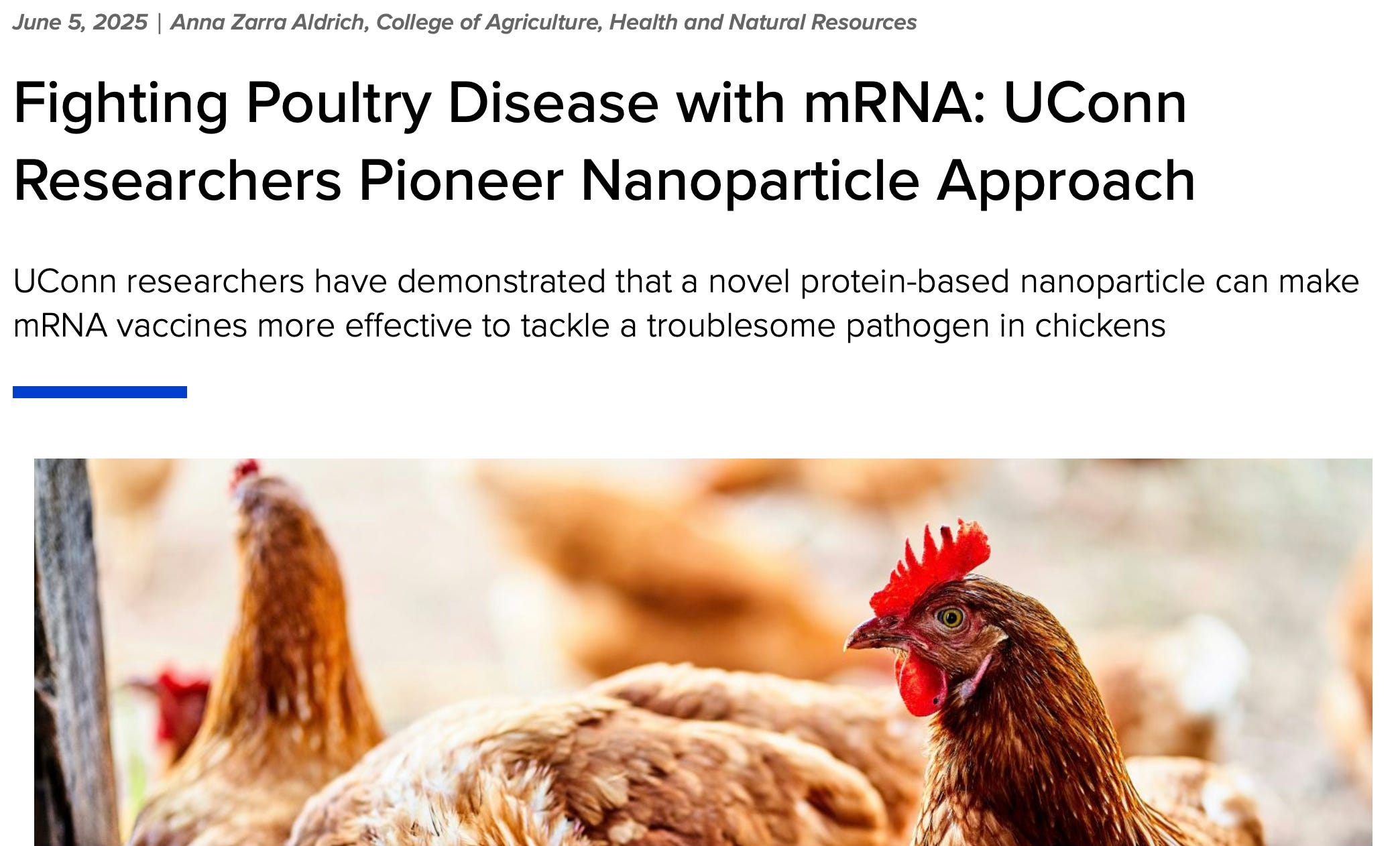
The widespread use of vaccines and other drugs in livestock production has also created a multi-billion dollar animal health industry, where pharmaceutical companies generate significant revenue from products used across entire herds and flocks.
Hormones
Hormone use in livestock production is more limited than many people assume… but where it is used, it plays a significant role.
In the United States, hormones are not approved for use in pigs or chickens, but they are approved for (and commonly used in) conventional beef cattle.
In beef production, growth-promoting hormones are used to increase growth rates and improve feed efficiency, allowing cattle to reach market weight more quickly and at a lower cost.
The FDA currently approves six hormones for use in beef cattle:
-
- Natural hormones: estradiol, progesterone, testosterone
-
- Synthetic compounds: trenbolone acetate (TBA), zeranol, melengestrol acetate (MGA)
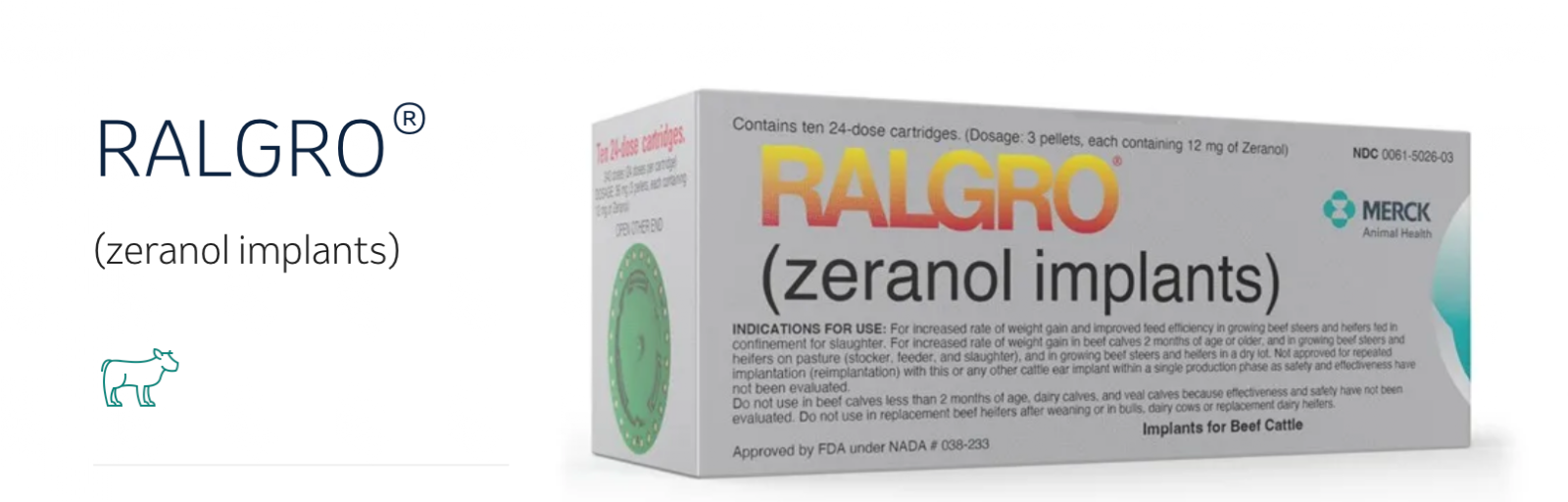
These are typically administered as implants in the ear, where they are slowly released over time.
Some of these compounds have raised concerns beyond the United States. For example, zeranol, a synthetic estrogenic growth promoter, is FDA-approved for use in cattle but banned in the European Union due to concerns about hormonal activity, potential links to hormone-sensitive cancers, and broader endocrine-disrupting effects (ref, ref).
At its core, hormone use reflects the same broader pattern seen across modern livestock production: using pharmaceutical tools to push biological systems toward faster growth and higher output.
Beta Agonists
Beta-adrenergic agonists, or “beta-agonists,” are synthetic pharmaceutical compounds used in livestock production to push growth beyond what would occur naturally.
These drugs bind to receptors on fat and muscle cells, altering how the animal’s body uses nutrients. Instead of storing energy as fat, nutrients are redirected toward building muscle.
In other words, these compounds don’t just support growth, they manipulate metabolism to prioritize rapid muscle development.
Beta-agonists are not approved for use in poultry in the United States, but they are used in cattle and pigs, primarily during the finishing phase.
In beef production, compounds like ractopamine and zilpaterol are commonly added to feed during the final 20–40 days before harvest. In pigs, ractopamine (Paylean) is used in a similar way, fed during the last few weeks to accelerate lean muscle gain and improve feed efficiency.
This is one of the ways conventional systems are able to produce meat more quickly and at a lower cost.
But this “efficiency” comes with trade-offs.
Concerns have been raised around animal health and welfare, particularly with more potent compounds like zilpaterol. Studies and industry reports have linked their use to increased stress, lameness, and mobility issues, and in some cases, higher rates of mortality (ref). There are also impacts on meat quality, with some evidence suggesting beta-agonists may lead to tougher meat.
And on a global level, these compounds are highly controversial.
Ractopamine is approved for use in the United States, but banned or restricted in many other countries, including the European Union and China.
These differences reflect fundamentally different interpretations of safety, particularly when it comes to residue exposure and long-term health effects.
Like many of the drugs used in modern livestock production, beta-agonists reflect the same pattern: using pharmaceutical tools to push biology beyond its natural pace in order to reduce costs.
Pesticides Used as Drugs
There’s an often-overlooked gray area in livestock production…
All drugs affect biology.
But not everything that affects biology is regulated as a drug.
There is an entire category of compounds used in livestock systems that function biologically like drugs (impacting physiology, development, or nerve signaling) yet are regulated under pesticide frameworks instead of veterinary drug regulations.
In practice, this means some compounds are classified as pesticides, even though they are delivered through feed, absorbed by the animal, and designed to alter biological processes (like growth, development or hormonal signaling).
That distinction often comes with less scrutiny around metabolism, tissue residues, and long-term health effects. (Because we know regulatory frameworks are heavily influenced by Big Ag lobbyists!)
Several compounds used in livestock production fall into this category. Some are used directly within the animal, while others are used to control the surrounding environment, managing pests in ways that still result in indirect exposure.
One example is methoprene, a commonly used larvicide in cattle. It is typically added to cattle feed, passes through the animal, and ends up in manure, where it mimics insect hormones and prevents larvae from developing into reproductive adults. This helps break the fly lifecycle in confined systems (to control the heavy fly pressure).
Sounds smart, right?
But there are the major problems:
-
> The EPA exempts methoprene from residue testing in meat, milk, and animal fat (40 CFR 180.1033)
-
> There is no established maximum residue limit (MRL)
-
> There is no routine monitoring
-
> Safety assessments rely heavily on ‘assumed’ excretion rates. Yet animal studies have detected methoprene residues in the liver, kidneys, blood, and lungs.
And in many systems, it is used regularly, sometimes daily. So of course it builds up in tissues.
You can read the EPA’s own fact sheet on Methoprene here, it is a mix of unsettling and laughable.
Methoprene is not an isolated example. Several other compounds used in livestock feeding systems function in a similar way, interfering directly with biological processes, yet classified as pesticides rather than drugs.
-
- Diflubenzuron: a feed-through larvicide used in cattle feed. It prevents insects from developing properly by stopping exoskeleton formation. Like methoprene, it is eaten, passed through the animal, and continues working in manure.
-
- Cyromazine: commonly used as a feed additive in poultry (and sometimes cattle). It disrupts larval development and can be metabolized into melamine, a compound associated with food safety concerns.
-
- Pyriproxyfen: typically used as an environmental treatment spray (where livestock breathe it in). It mimics insect hormones and prevents normal development and reproduction.
-
- Organophosphates (e.g., dichlorvos, coumaphos): Used as topical treatments (ear tags, sprays, dips). They disrupt nerve signaling, affecting the nervous system of pests.
-
- Pyrethroids (e.g., permethrin): Commonly used as sprays, pour-ons, or ear tags. They act on the nervous system, causing paralysis in insects.
Despite differences in their specific mechanisms, these compounds share a common theme: they are designed to interrupt fundamental biological processes.
These are not just “pest control” tools. They are biologically active compounds moving through living systems, often with less regulatory scrutiny than traditional veterinary drugs.
And in many cases, they move through the animal, and enter the food system.
Feed Additives
Many people picture drugs in livestock production as injections given to individual animals. But in reality, a large portion of drug exposure happens through feed.
When most people think about livestock feed, they imagine simple ingredients: corn, soy, maybe some hay.
In addition to basic nutrients, a wide range of compounds are routinely added, some intended to support health, others designed to control disease or improve production.
On one end of the spectrum are non-medicated additives like probiotics, prebiotics, enzymes, or plant-based compounds (phytogenics). These are generally used to support digestion, gut health, and nutrient absorption.
But alongside these are compounds that function much more like pharmaceuticals. Medicated feed additives can include many of the compounds we discussed above: antibiotics and antimicrobials, anticoccidials and antiparasitics, sulfonamides, hormones, and beta-agonists.
And then there’s a category that sits somewhere in between.
Ionophores are among the most commonly used feed additives in beef, and are also widely used in poultry. Examples include monensin, salinomycin, and lasalocid.
Technically, ionophores are classified as antibiotics by the FDA. However, they are not considered medically important for human health, meaning they are not subject to the same level of oversight and do not require veterinary authorization (VFD) for use.
Functionally, ionophores alter microbial populations in the gut. They are used to improve feed efficiency, modify fermentation in the rumen (in cattle), and help control coccidiosis (in poultry).
And their use is widespread: it has been estimated that 90–97% of U.S. feedlots include ionophores in finishing diets (ref), and ionophores are considered “nearly universal” or “industry standard” in conventional broiler systems.
So, animals aren’t just eating food. In many systems, they are continuously exposed to a mixture of biologically active compounds delivered through feed, day after day.
And when you step back and look across everything covered in this section (from antibiotics and antiparasitics to vaccines, hormones, and feed additives) a clear pattern emerges:
Drug use in modern livestock production isn’t occasional. It’s built into the system.
Now that we understand why these drugs are used (and how widespread their use really is) the next question becomes: do they actually end up in the food we eat?
This was Part 1 in a 3 Part Series.
In Part 2, I take a closer look at what happens after these compounds are used, how they’re regulated, what levels are considered “safe” in our food, and where the system may fall short.
Read Part 2 of the Drug Use in Livestock series here!
At Nourish Food Club, we’re committed to doing things differently and we are proud to be #NeedleFree.
We call it: Farming, not pharm-ing.
We don’t raise animals to survive in industrial systems, we raise them to thrive in natural ones.
That starts with holistic and regenerative management, not medication.