The Health Effects of Pesticides: What Chronic Exposure Does to Your Body
It’s naïve to assume that chemicals specifically designed to disrupt biological systems out on fields come without consequences for our own biology.
When we attempt to control nature through chemistry, there are always trade-offs, and growing research from labs across the world studying the health effects of pesticides suggests those trade-offs may be significant.
And while humans have used natural pest control methods for thousands of years (like sulfur in ancient Sumeria, diatomaceous earth in ancient Egypt, and plant-based repellents used by Mesoamerican farmers) the widespread use of synthetic toxic pesticides is a relatively recent shift.
One that began in the 1940s after the World Wars… and has accelerated rapidly ever since.
Take glyphosate as one example. Originally synthesized in 1970 as a metal chelator, it was later repurposed into the herbicide Roundup and introduced in 1974. Its use exploded in the 1990s with the release of genetically engineered “Roundup Ready” crops, designed to survive direct application of the chemical.
For the first time, entire fields could be sprayed repeatedly, without killing the crop itself. The result wasn’t a small increase in use. It was exponential!
And glyphosate is just one of many pesticides in use in modern conventional agriculture.
Today, we’re not dealing with occasional exposure, but a constant, cumulative chemical burden moving through our food system and into our bodies.
So what does that actually mean for human health?
Let’s briefly break it down:
> What pesticides are
> What the research shows about their effects on the body
> And how to reduce your exposure
But first, What Are Pesticides?
The term “pest” refers to any organism that is considered harmful or undesirable in agricultural settings. And then the suffix “-cide” comes from the Latin word caedere, meaning “to kill.”
So, “pesticides” is an umbrella term for substances designed to kill pests. Subcategories include herbicides for weeds, insecticides for insects, fungicides for fungi, rodenticides for rodents, nematicides for nematodes, bactericides for bacteria, molluscicides for slugs and snails, the list goes on.
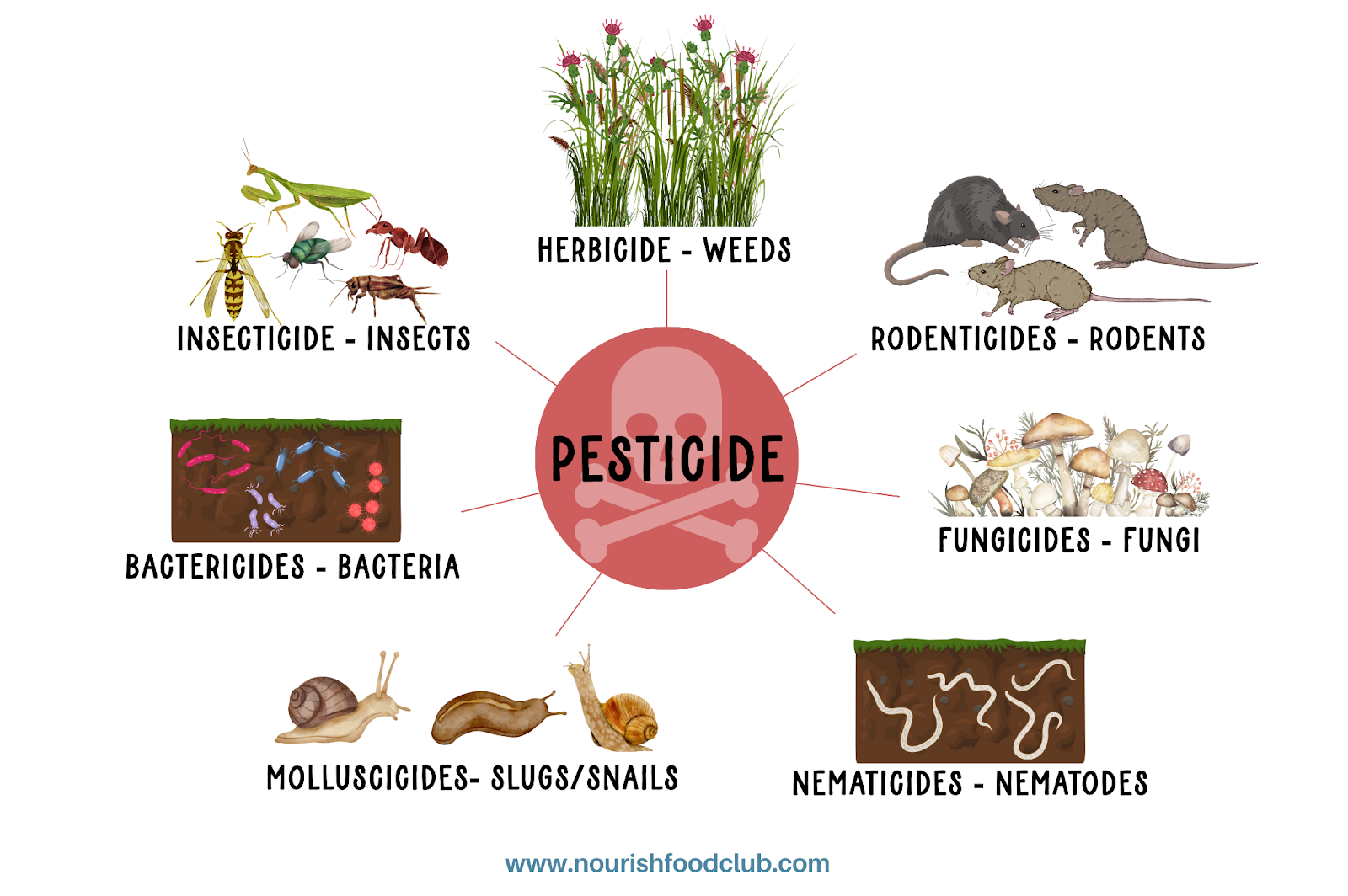
Pesticides became a significant part of agriculture after World War II, when the same chemical manufacturing infrastructure built for war was redirected toward food production. These chemicals disrupt the way nerves transmit signals in the body. In war, they paralyze or kill. In agriculture, they “just” kill pests.
But it’s naive to think that chemicals designed to destroy life come without collateral damage when used in food production. They don’t stay confined to a single target. And they don’t exist in isolation. When you attempt to override biology with chemistry, there are always downstream consequences.
Human Health Consequences of Pesticides
So what are the real-world consequences of chronic pesticide exposure?
While government agencies have failed to adequately test many of these chemicals for long-term safety, independent research from universities and clinical settings around the world has continued to examine their impact on human health. And the findings are difficult to ignore.
Chronic pesticide exposure has been linked to:
-
> Increased risk of chronic disease and certain cancers
-
> Hormonal disruption and fertility issues
-
> Gut microbiome imbalances
-
> Metabolic dysfunction, including reduced metabolic rate and increased fat storage
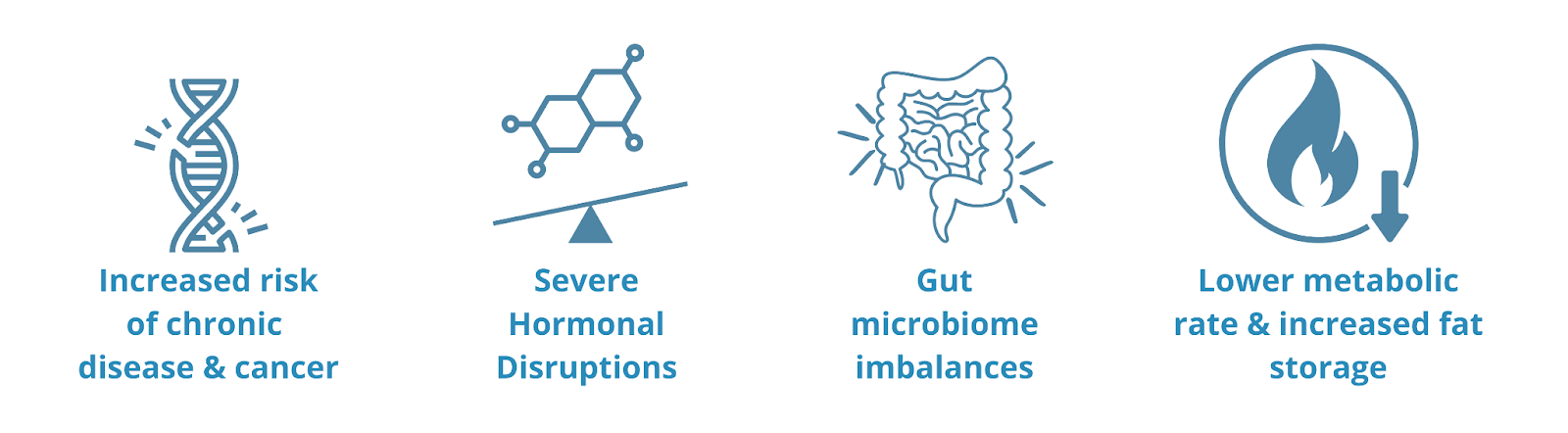
This isn’t coming from a single study, it’s a growing body of evidence across multiple fields of research.
Let’s take a closer look at what some of the research shows.
1. Increased Risk of Disease and Cancer
The sharp rise in chronic illnesses (including cancer, autoimmune conditions, and metabolic disorder) may be partly driven by our ever-increasing exposure to environmental toxins, particularly pesticides. (ref)
For example, glyphosate, the most widely used herbicide globally, has been classified as a probable human carcinogen by the International Agency for Research on Cancer (IARC). (ref) So of course, its widespread presence in our food supply raises serious health concerns.
Pesticides have been shown to
- > promote lipid oxidation and trigger the production of reactive oxygen species (ROS) (ref, ref, ref)
- > damage cellular lipids, proteins, and even DNA. (ref, ref)
This oxidative injury disrupts cellular function and can drive ferroptosis, a form of cell death specifically triggered by lipid peroxidation. (ref)
Glyphosate in particular has been found to induce inflammation and oxidative stress in various cell types (ref), contributing to DNA damage, increased cancer risk, and liver and kidney dysfunction. (ref, ref)
Pesticides also weaken the body’s natural antioxidant defense systems (ref, ref), amplifying oxidative stress, chronic inflammation, and cellular damage over time. (ref)
This steady cellular degradation impairs tissue integrity and organ function, paving the way for long-term disease.
And these pesticides don’t always just pass through the body. Many of them bioaccumulate in us over time (ref, ref), just as they have been documented to do in animals.
They can accumulate in critical organs such as the liver, kidneys, and colon. (ref, ref, ref) Glyphosate has even been shown to cross the blood-brain barrier and build up in the brain, where it may increase the risk of neurodegenerative diseases like Alzheimer’s. (ref)
Pesticides have also been detected in breast milk (ref), which raises deep concerns about developmental impacts on the next generation. Lipophilic organochlorine pesticides (OCPs), for example, accumulate in fat tissue (including breast milk) and can be passed to infants during breastfeeding. Pesticides stored in the mother’s body can also cross the placenta and reach the fetus during pregnancy (ref), exposing the fetus during critical windows of development.
A mother with a high body burden of pesticides can unknowingly transfer this toxic load to her child, with potential long-term effects on growth, metabolism, and brain development. Alarmingly, evidence suggests that fetuses and infants are even more vulnerable to pesticide toxicity than adults, as their detoxification systems are still immature, especially during the fetal period and the first year of life. (ref)
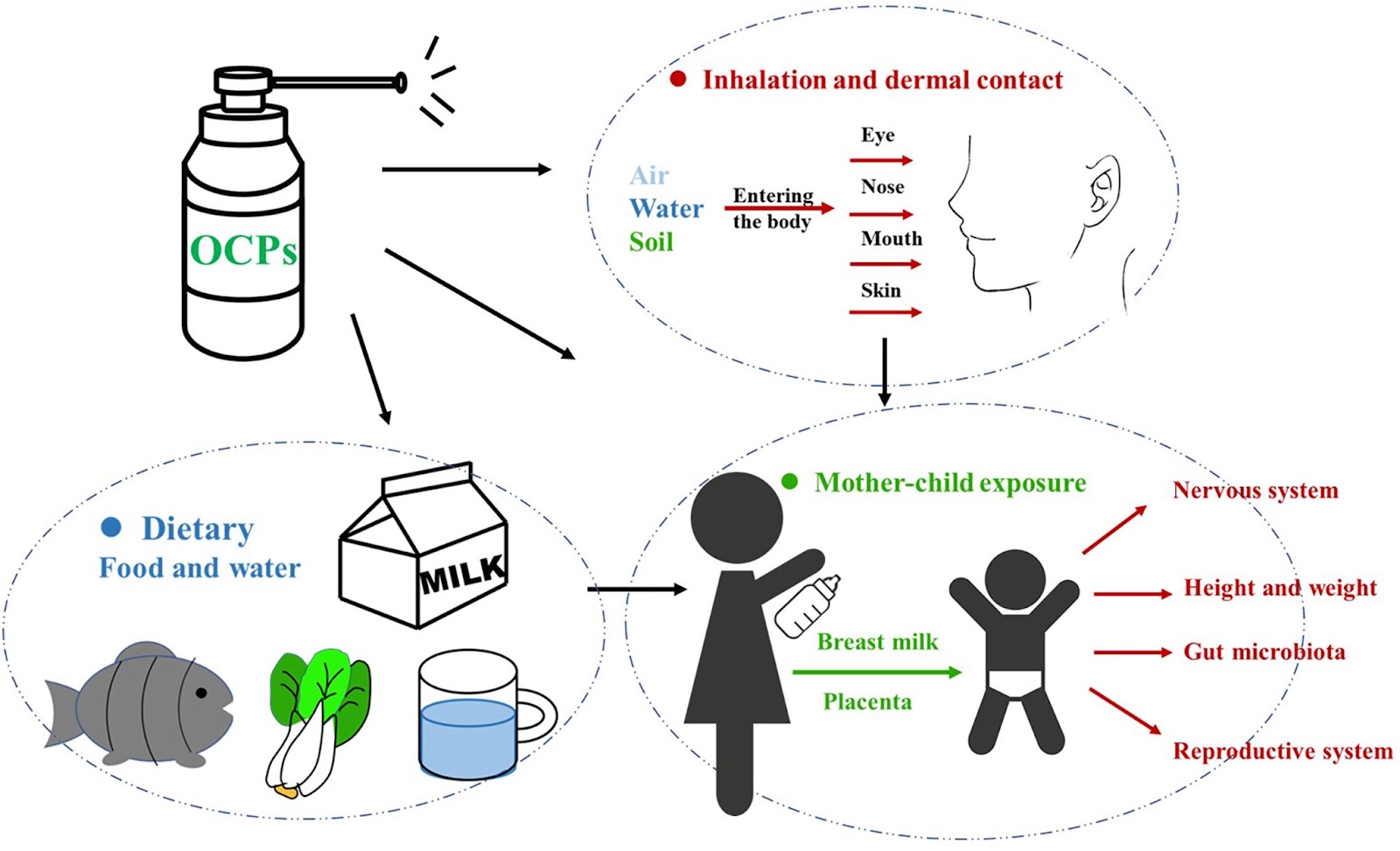
Image from (ref).
2. Severe Hormonal Disruptions
Pesticides are increasingly recognized as endocrine-disrupting chemicals (EDCs): compounds that mimic, block, or interfere with hormone function. These disruptions can impact reproductive health, development, metabolism, and more. (ref, ref)
One striking quote from the scientific literature captures the concern:
“Pesticides are designed to be bioactive against certain targets but can cause toxicity to nontarget species by a variety of other modes of action including disturbance of endocrine function. As such, pesticides have been found to bind and alter the function of hormone receptors, alter the synthesis or clearance of endogenous hormones, interact with various neurotransmitter systems, and cause yet other effects by still poorly understood mechanisms…even a brief exposure to pesticides which alter endocrine function can cause permanent effects if the exposure occurs during critical windows of reproductive development.” (ref)
It’s important to remember that pesticides are a relatively recent addition to the human food system. Their widespread use has surged over just the last few generations, while regulatory oversight and long-term safety testing continue to lag far behind.
But Why Do Pesticides Disrupt Hormones?
Pesticides can disrupt the endocrine system through several mechanisms: (ref, ref)
> Mimicking natural hormones like estrogen or testosterone
> Blocking hormone receptors, preventing normal function
> Altering hormone production, transport, or clearance
> Disrupting the thyroid, adrenal, or insulin systems
Many pesticides act as xenoestrogens: synthetic chemicals that mimic or enhance estrogen activity (ref), contributing to widespread estrogen dominance alongside PUFAs and phytoestrogens.
Take atrazine, for example. It activates aromatase (ref, ref, ref), the enzyme that converts testosterone into estrogen, reducing testosterone and raising estrogen levels, particularly dangerous in developing males.
Or vinclozolin, a fungicide whose metabolites block androgen receptors and disrupt feedback loops, altering testosterone levels and impairing male development. (ref, ref, ref, ref) Despite being recently banned in the U.S., vinclozolin is still used in other countries on imported crops like wine grapes and sweet peppers. So the question remains: Why was it ever allowed in the first place?
There’s overwhelming evidence of reproductive and endocrine abnormalities in animals exposed to pesticides:
- 5 weeks of glyphosate-laced feed reduced sperm motility in roosters and led to fatter offspring (ref)
- Wastewater from hog confinement buildings (loaded with pesticides) feminized male fish and masculinized females (ref)
- Atrazine exposure at low levels chemically castrated male frogs and caused hermaphroditism (ref), where an organism has both male and female reproductive organs and characteristics. These deformities didn’t occur in control groups, confirming that atrazine triggers both feminization and demasculinization by altering hormone synthesis.
- American alligators exposed to pesticides in utero developed malformed organs, high estrogen, low testosterone, low fertility rates and reversed sex traits. (ref)“Ten percent of the exposed genetic males developed into functional females that copulated with unexposed males and produced viable eggs.”
- DDT (now, thankfully outlawed) caused feminization in multiple bird species (ref) and Seagull eggs exposed to DDT developed female traits regardless of genetic sex (ref)
- Numerous studies document ovotestis - the presence of both ovarian and testicular tissue - in fish, frogs, and rodents after pesticide exposure. (ref, ref, ref) One study documents pictures of eggs developing in the testes of male frogs. (ref)
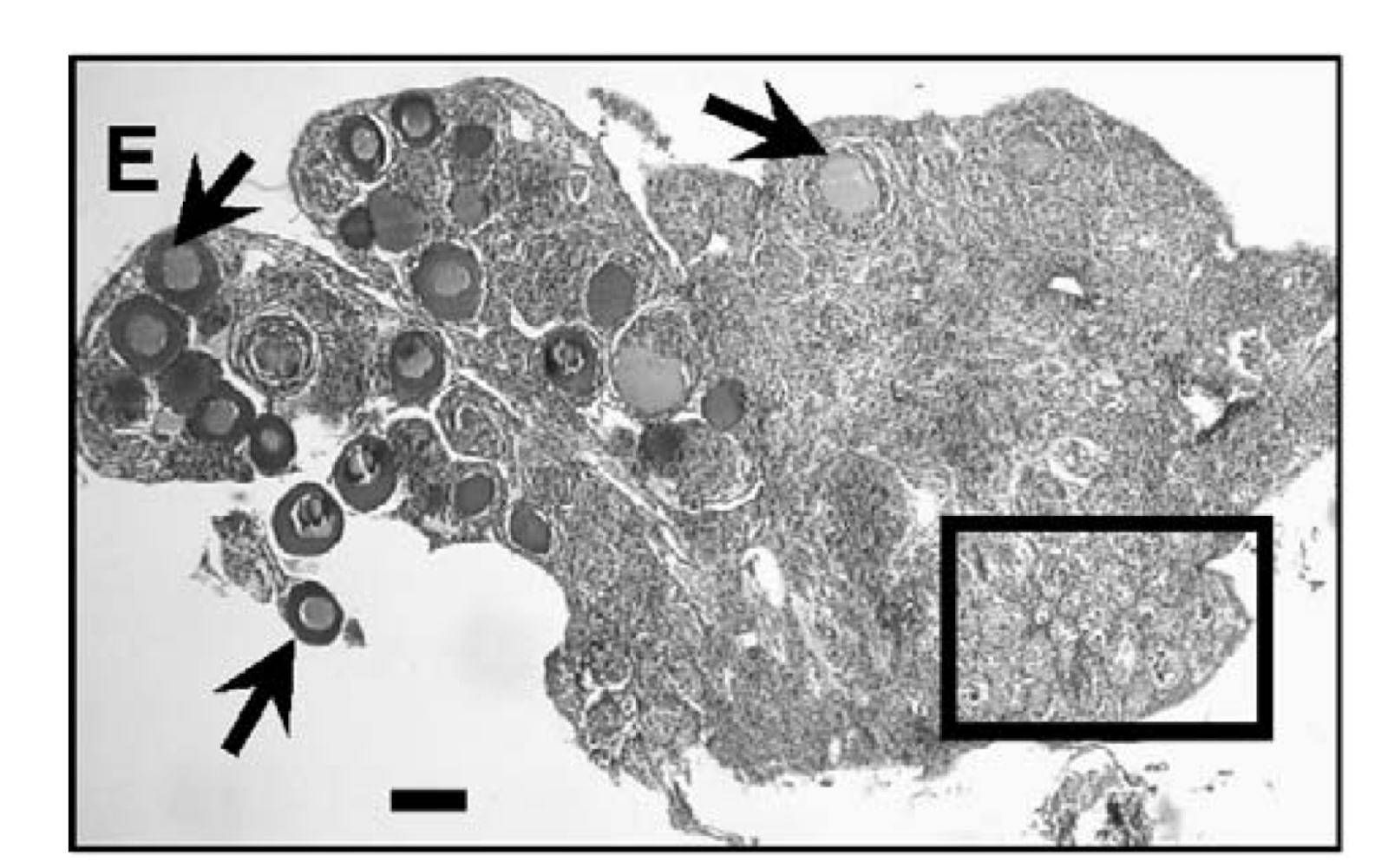
Eggs in frog testes from (ref) . I'll repeat that... EGGS IN FROG TESTES!!!
And while many of these effects are documented in animals, the biological pathways are similar, suggesting humans are not immune. (ref, ref, ref)
Plus, pesticide exposure is linked to a wide range of reproductive and hormonal issues in humans as well including menstrual irregularities, reduced fertility and prolonged time to conceive, increased risk of miscarriage/stillbirth/birth defects, ovarian dysfunction, and elevated rates of breast cancer and ovarian cancers.
One study found that infertile women were three times more likely to have pesticide exposure. That risk jumped to ninefold for women working in conventional agriculture with very high pesticide exposure. (ref)
In another study, glyphosate and Roundup were shown to be cytotoxic and significantly reduce progesterone levels in human cells after just 24 hours of exposure at concentrations deemed acceptable in Australian drinking water (1 mg/L). (ref) Progesterone and estrogen work in a delicate balance, like yin and yang. When progesterone drops, it tips the scale toward estrogen dominance, a hormonal imbalance that’s becoming increasingly common across the population.
3. Disrupts Gut Health
Your gut is home to over 100 trillion microbes: bacteria, viruses, fungi, and other organisms that play critical roles in digestion, immunity, hormone metabolism, and even mood regulation.
But here’s the problem: many of the same microbial traits that make your gut thrive are the very ones pesticides are engineered to destroy. Out in the fields, these chemicals are used to kill bacteria, fungi, and pests, but once they enter your body through food, water, or air, they don’t suddenly lose their toxicity. They can disrupt the delicate balance of your gut ecosystem, wiping out beneficial microbes and allowing harmful ones to thrive.
Studies link pesticide exposure to gut dysbiosis, reducing beneficial bacteria like Akkermansia muciniphila and Bacteroides dorei, while encouraging growth of harmful species. (ref, ref) Some of these microbial shifts increase inflammation, intestinal permeability, and oxidative stress (ref, ref): laying the groundwork for leaky gut, autoimmunity, and chronic illness.
Glyphosate, in particular, is notorious for this. While human cells don’t use the shikimate pathway (the mechanism glyphosate targets), your gut microbes do. (ref, ref) And unfortunately, many beneficial microbes possess the glyphosate-sensitive version of the enzyme (ref) - meaning they’re the first to die off. Meanwhile, opportunistic pathogens often carry glyphosate-resistant enzymes, allowing them to thrive.
Hello dysbiosis.
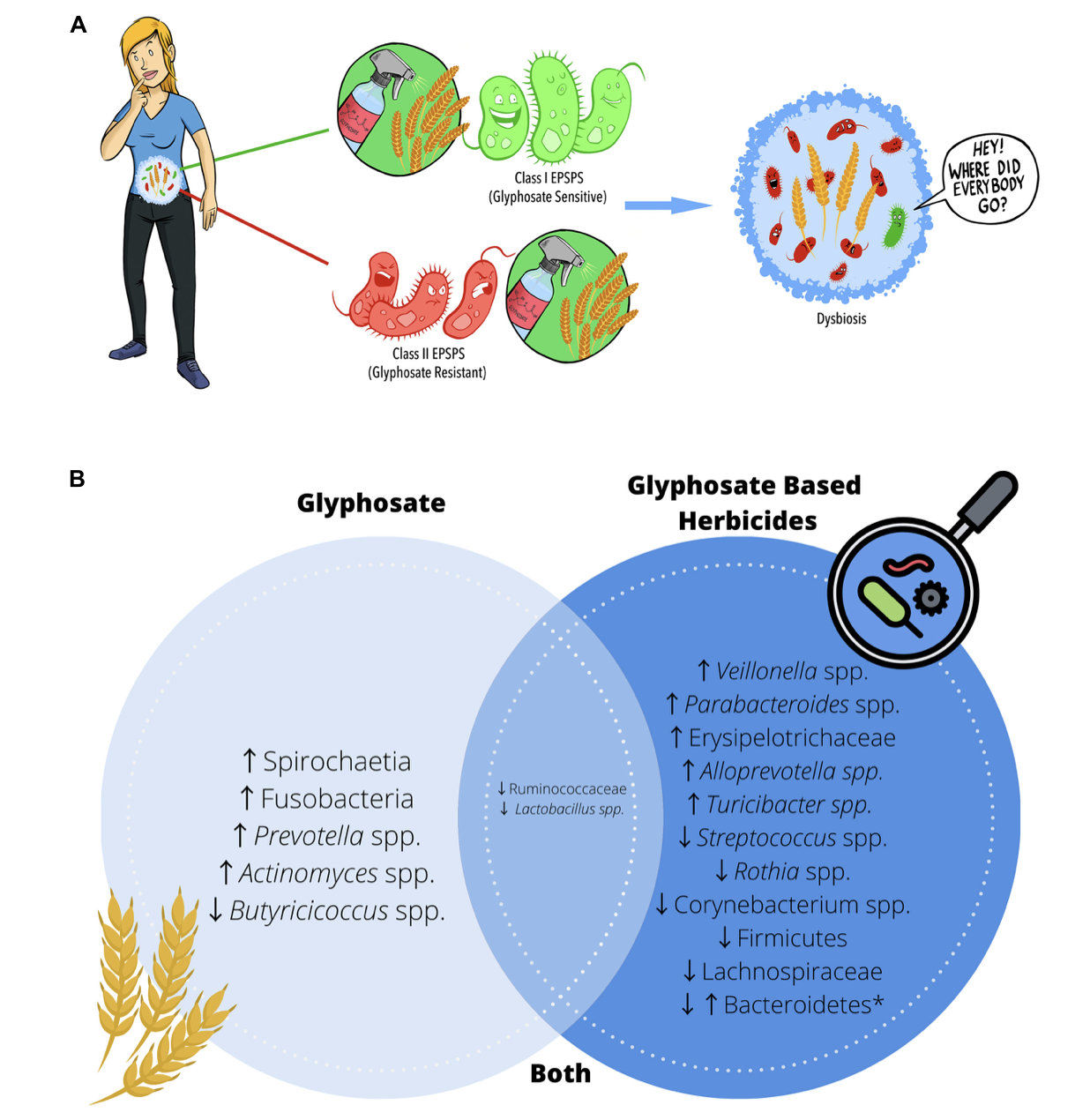
Image from (ref).
And don’t forget: microbial cells in your body match or slightly outnumber human cells. Humans are made up of approximately 30 trillion human cells and about 30-39 trillion microbial cells, meaning the microbes in our gut slightly outnumber our human cells.
So disrupting your microbiome isn’t a small side effect, it’s a fundamental threat to your health.
Insecticides and fungicides widely used in some areas of conventional ag may be even worse in some cases, causing more profound gut disruptions than glyphosate (an herbicide). (ref)
4. Metabolic Slowdown and Weight Gain
Chronic pesticide exposure may also lower your metabolic rate, and this impacts you in two main ways.
First, increased fat storage (that you see!) When your metabolism slows down, your body burns fewer calories at rest and during activity. This means your total “Calories Out” drops, so even if you’re eating the same amount, it’s easier to tip into a calorie surplus and gain fat. To maintain energy balance, you’d need to eat less than before, simply because your metabolic engine isn’t running as hot.
Second, reduced energy production (that you feel!) When ATP production slows down, every cell in the body suffers. This leads to fatigue, poor organ and system function, and a general sense of surviving, not thriving.
Similar to polyunsaturated fats (PUFAs), many pesticide compounds block or downregulate key components of the body’s energy production system. These disruptions slow down your metabolic engine and shift your body toward fat storage.
Some pesticides, including glyphosate and boscalid, directly interfere with mitochondrial function: the part of the cell responsible for generating ATP, your body’s energy currency. (ref, ref, ref) They block critical steps in the electron transport chain (ETC), reducing your ability to make energy efficiently.
For example, rotenone has been shown to inhibit Complex I of the ETC, while other pesticides impair electron transfer at various points in the chain (ref), crippling cellular energy output. (ref)
Glyphosate, in particular, has been shown to inhibit both Complex II and Complex III of the ETC. (ref, ref) It also acts as a chelating agent, binding to essential metal ions like iron, copper, zinc, manganese, calcium, and magnesium (all of which are critical cofactors for mitochondrial enzymes). By stealing these minerals, glyphosate further reduces mitochondrial energy production.
Glyphosate inhibited the energy-linked function by 46 % in the mitochondria isolated from rat liver. (ref) Do you think a liver will function properly if it has less energy inputs? No!
Glyphosate and RoundUp lower energy production in human sperm cells (ref) , which reduces sperm motility and sperm function, lowering fertility rates.
It gets worse: glyphosate exposure increases the permeability of mitochondrial membranes and increases leakage (ref, ref), which induces oxidative stress and further disrupts function. The result? Even less ATP production, increased reactive oxygen species (ROS), and potential cell toxicity. (ref)
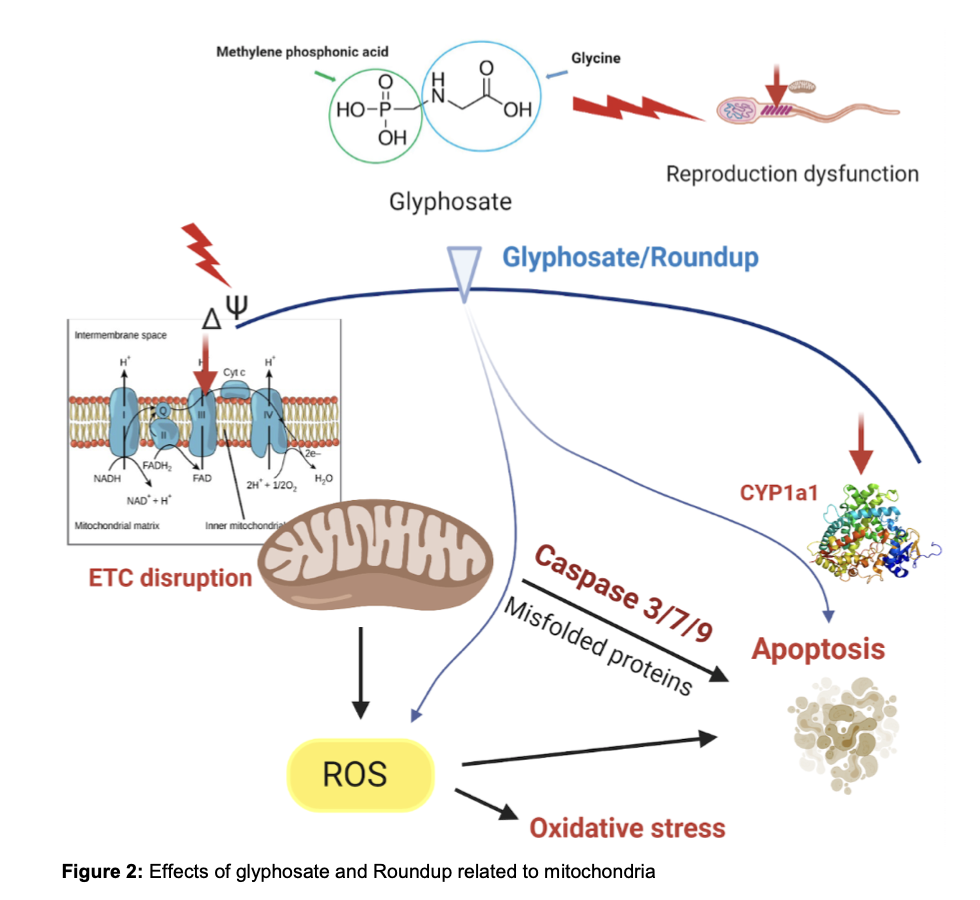
Image from (ref).
Glyphosate exposure has also been linked to impaired glucose regulation, with higher urinary glyphosate levels associated with elevated fasting glucose, increased HbA1c, and reduced beta-cell function. (ref)
On top of disrupting energy production, pesticides can promote fat storage. They increase the activity of enzymes that encourage lipogenesis (fat creation) while suppressing enzymes involved in fat oxidation. (ref, ref, ref, ref, ref, ref) Essentially, they tilt your metabolism toward storing calories rather than burning them.
So, the consequences of disrupting the electron transport chain (ETC) inside your mitochondria include:
- - Reduced ATP: Impaired mitochondrial function leads to lower energy availability for cells, compromising tissue performance across the body.
- - Increased ROS: Disrupted electron flow increases electron leakage, which fuels oxidative stress and damages DNA, proteins, and lipids.
- - Higher Disease Risk: Chronic mitochondrial dysfunction is linked to metabolic disorders like insulin resistance and obesity, as well as neurodegenerative diseases such as Parkinson’s and Alzheimer’s. (ref, ref)
In short, pesticides interfere with energy production by damaging mitochondria, depleting essential nutrients, generating oxidative stress, and disrupting glucose and fat metabolism. These effects lead to reduced ATP, increased fat storage, and a heightened risk of metabolic disease.
The Most Common Pesticides in Use Today
To better understand what we are actually being exposed to, here are 5 of the most commonly used pesticides in the US. Many of these have been shown to disrupt hormones, impair fertility, increase the risk of birth defects, increase oxidative stress, damage mitochondria, impair gut health, hinder cognitive development, and elevate cancer risk.
- Glyphosate: A broad-spectrum herbicide that is the active ingredient in Roundup, used to control a wide range of weeds and grasses. Used on genetically modified crops like corn, soy, and cotton for weed control, and as a pre-harvest desiccant on non-organic, non-GMO grains like wheat, oats, barley, and legumes. That means it’s sprayed just before harvest to kill the crop and speed up harvesting - leaving high levels of residue behind in your food.
- Atrazine: A popular herbicide in corn production (used on both GMO and non-GMO varieties). Since non-GMO corn isn’t resistant to glyphosate, conventional growers often turn to atrazine instead. Banned in the EU since 2004 due to groundwater contamination and hormone disruption.
- Chlorpyrifos: An organophosphate insecticide that targets insects’ nervous systems. Banned in the EU, Canada, UK, Australia, New Zealand, China, Brazil, and South Africa. The U.S. EPA banned it from food crops in 2021 due to its links to neurotoxicity in children. But after legal pressure and industry lobbying, the ban was overturned in 2023. It’s now allowed again on 11 crops, including alfalfa, apple, asparagus, tart cherry, citrus, cotton, peach, soybean, strawberry, sugar beet, and wheat.
- 2,4-D: A selective weed killer used in corn, wheat, rice, hayfields, and even lawns. It’s still widely used today in both GMO and conventional agriculture. The IARC classifies it as “possibly carcinogenic to humans” and some studies have linked it to non-Hodgkin lymphoma.
- Dicamba: A broad-spectrum herbicide commonly used in conventional agriculture, especially on soybeans and cotton. One of the major concerns with dicambaengineered to tolerate dicamba, allowing for its widespread use. While it remains unrestricted in the U.S., dicamba has been banned or limited in several countries, including the EU, Australia, Canada, Brazil, and Argentina. One of the major concerns with dicamba is its volatility, since it can vaporize after application and drift into neighboring fields, where it can damage or destroy non-resistant crops.
While many crops are sprayed with pesticides during growth, another increasingly common practice is applying pesticides directly to seeds before they’re even planted. These 'seed treatments', often containing insecticides and fungicides, represent a more hidden route of exposure that most people never consider. I cover seed coatings in more depth in this separate blog post.
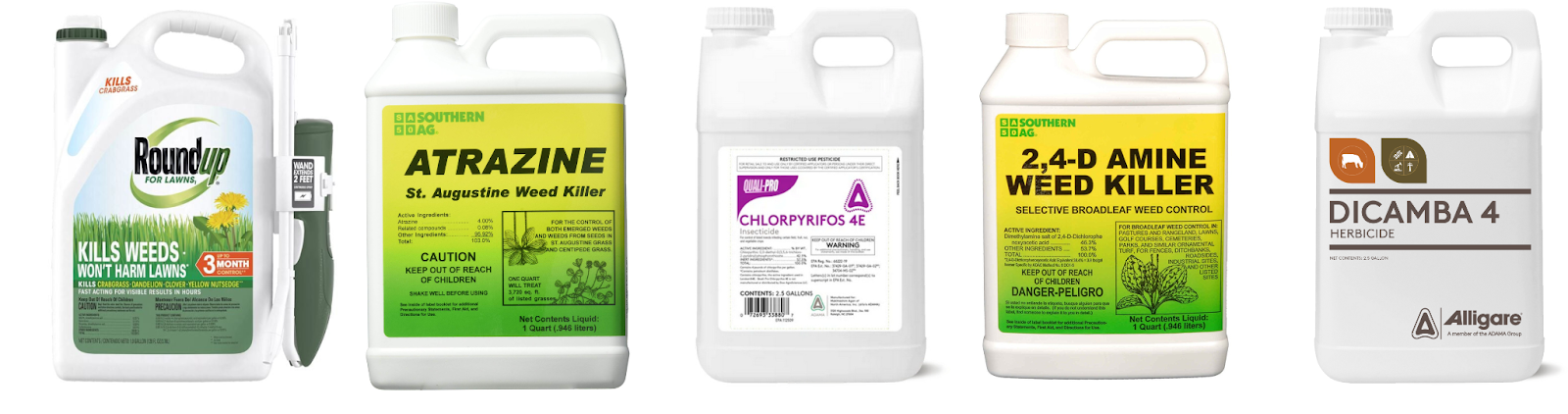
There’s a big difference between occasional use and total reliance. Much like the pill-popping culture fostered by Big Pharma, modern agriculture has become increasingly dependent on chemicals.
Life is interconnected.
And when we chemically wage war on one part, there are always consequences somewhere else.
Pesticides Don't Stop at Crops
It’s common knowledge that pesticides are heavily used in conventional crop production, to deter pests during the growing season and, in some cases, as pre-harvest desiccants on grains like wheat, oats, barley, and legumes.
What’s far less discussed is the massive amount of pesticides used to grow livestock feed for both GMO and non-GMO systems.
Pesticides in animal agriculture due to mass confinement is a hidden route of pesticide exposure.
Many people assume non-GMO means clean, but that’s a misunderstanding. Non-GMO does not mean chemical-free. In fact, non-GMO grains can still be grown using synthetic fertilizers, herbicides like glyphosate, fungicides, and insecticides. Glyphosate is widely sprayed not only on GMO crops but also on non-GMO and even some pre-harvest conventional crops like wheat, oats, and legumes. (ref)
Each year in the U.S., roughly 1 billion pounds of pesticides are applied to crops meant for human consumption. But another 250 to 300 million pounds are used solely on feed crops like corn, soybeans, and alfalfa. (ref)
And animal feed is not held to the same safety standards as human food. Meaning glyphosate residue limits in livestock feed can be up to 100 times higher than the legal limits for human food. Red meat is allowed to contain 20 times more glyphosate than most grain-based foods. (ref)
But livestock exposure doesn't stop at feed in conventional systems.
In confinement animal feeding operations (CAFOs), pesticides are used extensively to manage the consequences of high-density, unnatural environments. Indoor chicken houses, hog barns, and feedlots can create ideal conditions for flies, mites, rodents and parasites. And the 'solution' is often more chemicals.
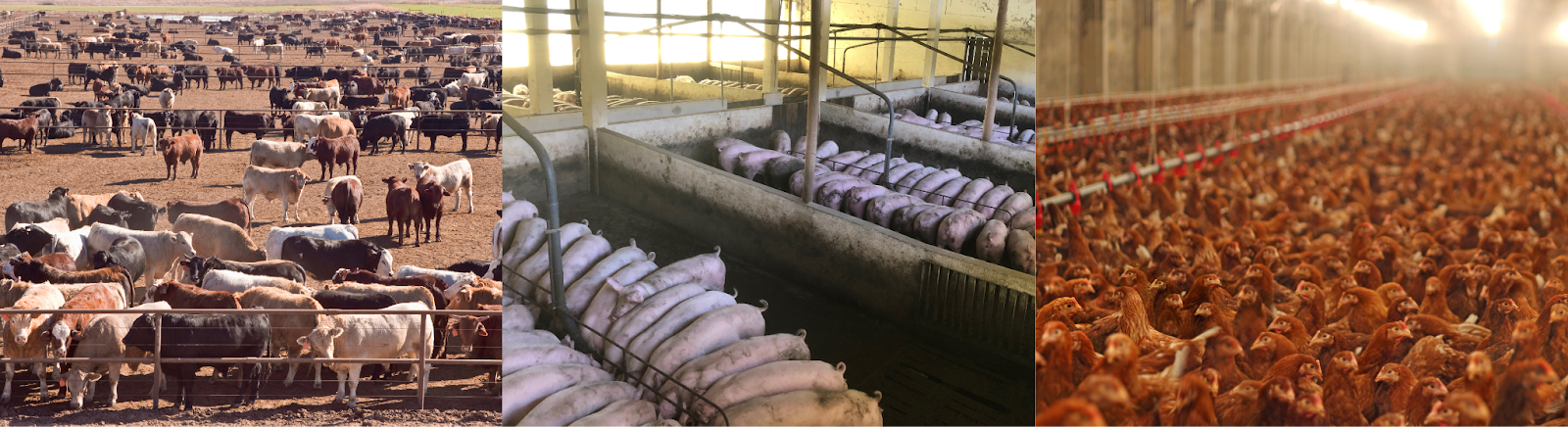
- - Rodenticides (like warfarin and bromethalin) are used around feed storage and manure piles to kill rats and mice.
- - Insecticides (like organophosphates and synthetic pyrethroids) are fogged, sprayed, or even mixed directly into feed to control flies, mites, and beetles.
- - Medicated feeds often include compounds like carbaryl, designed to kill both internal and external parasites.
This creates yet another layer of exposure, one most people never consider.
One example is Methoprene, a ‘feed-through’ larvicide that is regularly added to feed rations in cattle feedlots and is designed to kill insect larvae before they hatch or mature. It doesn’t kill adult flies but instead disrupts larval development, breaking their lifecycle.
The cows consume it in their feed, some of it is stored, some of it is excreted in their manure, and when flies lay eggs in that manure, the larvae can’t mature, breaking the fly’s lifecycle at the source.
Sounds smart, right? But here are the problems:
> The EPA exempts methoprene from residue testing in meat, milk, or animal fat, thanks to a regulatory exemption (40 CFR 180.1033)
> No maximum residue limit (MRL) exists and there is no routine monitoring.
> It’s considered “safe” because it is assumed to be excreted quickly. But in animal studies, methoprene residues showed up in the liver, kidneys, blood, and lungs. And it’s used every single day. Of course it builds up in tissues.
You can read the EPA’s own fact sheet on Methoprene here, it’s a mix of unsettling and laughable: Methoprene Fact Sheet
While methoprene is primarily documented in cattle feedlots, similar larvicides, like diflubenzuron and cyromazine, are sometimes used in swine barns to manage flies through manure treatment. And in confinement poultry operations, insecticides such as permethrin and other pyrethroids are commonly applied to bedding and facility surfaces to control mites, lice, and beetles.
These aren’t isolated practices, they’re often standard in confinement agriculture. So in addition to pesticide exposure from feed, animals in confinement systems are also exposed environmentally due to unnatural living conditions necessitating chemical interventions.
These Chemicals Don't Just Disappear
Many of these compounds are fat-soluble. This means when animals consume pesticide-laden feed or are exposed environmentally, the chemicals can accumulate in their fat, eggs, organs, and milk. 9
You can’t rinse this off. You can’t cook it away. Once it’s in the animal, it’s in the food.
And because routine testing is rare unless a safety issue is flagged, these residues often enter the food system quietly and undetected.

This helps us better understand why…
- - Glyphosate has been detected in eggs, dairy, and meat, despite the fact that these products aren’t sprayed directly.
- - Conventional dairy has tested positive for multiple pesticides (ref), with some samples exceeding both U.S. and international safety limits. While contaminated feed is the primary route, environmental exposure within CAFOs also plays a role (ref).
- - Poultry feed is now recognized as a major source of pesticide contamination(ref).
- - Eggs have been found with glyphosate levels well above international safety thresholds (ref, ref), one report showed samples with over 100 parts per billion (ppb) (ref).
- - Even organic, cage-free eggs have tested as high as 169 ppb, more than three times the EPA’s allowable limit of 50 ppb (ref, ref).
And this information tells us something important: pesticides are building up in the tissues of animals through their feed and environment. Which means it’s building up in humans over time, too.
How livestock are raised and what they eat directly impacts the nutritional quality of your food and your exposure to hidden toxins. It doesn’t just affect the type of fat you’re eating (like the ratio of saturated to unsaturated fats), but also your intake of endocrine-disrupting compounds such as pesticide residues.
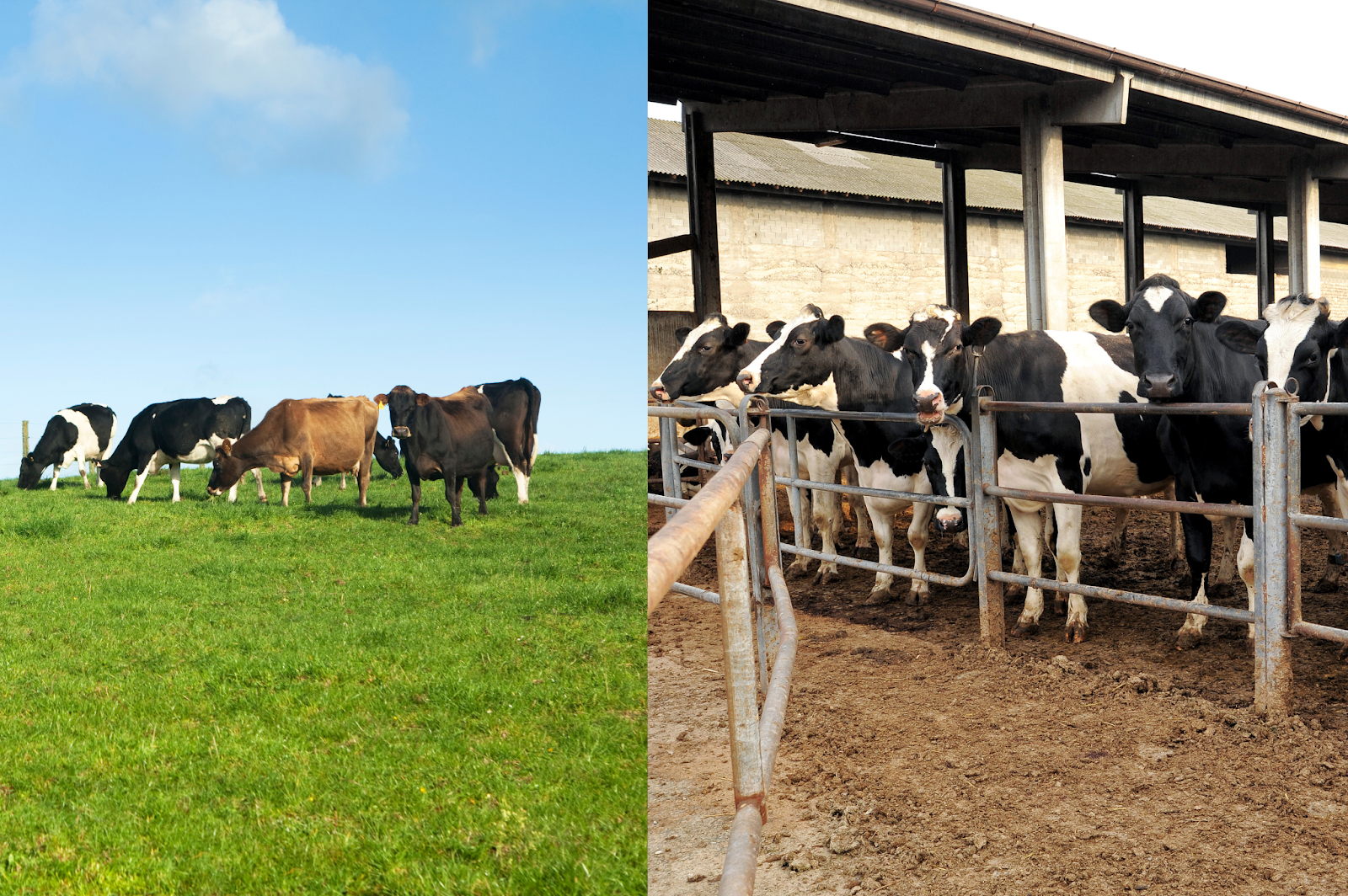
This is where pasture-based, regenerative systems offer a fundamentally different approach, one that doesn’t rely on this constant chemical treadmill. When animals are rotated across healthy pastures and raised in harmony with nature, the need for toxic pesticides dramatically decreases. Parasite pressure stays low because animals aren’t trapped in their waste. They have access to clean air, sunlight, and the ability to express natural behaviors, all of which improve their health and reduce the need for chemical interventions.
Pesticide Supporters
Pro-pesticide voices often argue that the food supply is safe because pesticide residues fall within “EPA-established tolerance levels”. But these "standards" overlook key concerns, such as the compounding effects of consuming multiple contaminated foods daily over a lifetime. (ref)
While a single food item may test below the legal threshold, that does not mean the total daily load is biologically insignificant. Over time, repeated low-dose exposures can add up in ways current regulatory models do not fully capture.
Another major flaw in the safety narrative is how pesticide testing is often conducted. Many glyphosate studies, for example, evaluate the active ingredient glyphosate in isolation rather than the full commercial formulation actually used in agriculture: Roundup. But Roundup is not just glyphosate. It also contains surfactants like POEA along with a mixture of so-called “inert” ingredients, such as solvents, preservatives, and anti-foaming agents, many of which are not fully disclosed to the public. These additives are not necessarily biologically inactive. In fact, they may substantially increase the toxicity of the final product.
Multiple studies have found that Roundup, as a complete formulation, can be more harmful than glyphosate alone. (ref, ref) Testing the isolated active ingredient does not reflect real-world exposure, because that is not what people encounter in food systems, farm environments, or surrounding ecosystems.
What You Can Do to Lower Pesticide Exposure
Let’s be real…you’re never going to eliminate all pesticide exposure. And that’s okay.
Your body has built-in detoxification systems designed to handle small amounts of environmental toxins. The real issue isn’t exposure, it’s overexposure. Modern life bombards us with levels our biology was never designed to handle.
But at the end of the day, this isn’t about perfection or fear. It’s about alignment, awareness, and making better choices when you can!
Since over 90% of pesticide exposure comes from food (ref), the most impactful step you can take is to improve your food sourcing.
For grains (oats, rice, corn), buying organic or from a chemical-free farm is very important. Pesticide levels can be quite high on grains!
These crops are often heavily sprayed, and in many cases, pesticides are applied right before harvest (a process called pre-harvest desiccation). This can leave higher levels of residues in the final food product. Because of this, grains are one of the most important food groups to prioritize as organic or sourced from chemical-free farms.
For produce, of course buying organic or from a chemical-free local farmer is awesome. But if that is not an option, there are still practical steps that can help reduce pesticide exposure. Washing, peeling, and scrubbing produce can remove some pesticide residues, especially those that sit on the surface or are water-soluble. Methods like using baking soda or vinegar may help reduce residues even further. (See the EWG guide for washing produce here)
But not all pesticides stay on the surface. Some, like glyphosate, are systemic herbicides. That means it’s absorbed into the entire plant, from the roots to the leaves to the fruit itself. You can’t wash it off, and it doesn’t break down with cooking. It becomes part of the food itself. (ref)
To help navigate this, the Environmental Working Group (EWG) releases two helpful lists each year: the Dirty Dozen and the Clean Fifteen (ref). The Dirty Dozen highlights produce with the highest pesticide residues (these are the ones worth prioritizing as organic or buying from a chemical-free farmer when possible). The Clean Fifteen includes produce with lower residues, offering more flexibility when budget is a concern.
When it comes to animal foods, especially those containing fat, sourcing matters even more.
Most people already understand that toxins tend to be stored in fat tissue. And pesticides are no exception.
Because many pesticides are lipophilic, they accumulate in fat over time. So you’re not just eating the food… you’re also consuming what the animal was exposed to throughout its life.
This is why choosing animal products from farms that prioritize:
- > clean, low-pesticide feed
- > pasture-based systems
- > regenerative practices
- > no mass confinement
can significantly reduce your exposure.
Focus on sourcing higher-quality dairy, eggs, and fatty cuts of meat since these tend to carry a higher burden when animals are raised in conventional systems.
Here is a practical way to approach sourcing for animal products:
Ideally, sourcing all of your food from small, regenerative farms that avoid pesticides and chemical inputs is the gold standard. Since you will get higher nutrient contents and less exposure to chemical toxins and pharmaceutical drugs.
But when budget is a factor (which it often is), there’s a more strategic way to approach it.
Since many toxins accumulate in fat, you can be more flexible with leaner animal products, like non-fat or low-fat dairy, or lean cuts of meat.
Then prioritize higher-quality sourcing for fat-containing foods, such as:
- > eggs
- > cheese
- > full-fat dairy
- > fattier cuts of meat (like chicken thighs, bacon or pork)
This approach helps you reduce exposure where it matters most (fat consumption), without needing everything to be perfect.
The Bottom Line
The modern conventional food system is deeply dependent on chemicals. Pesticides aren’t just used occasionally, they’ve become foundational to how food is grown, how livestock are raised, and how this system keeps functioning at scale to produce cheap food.
But that chemical dependence comes with consequences.
And while we may not be able to control every exposure, we do have the power to shift where we place our support.
The way out is not waiting for the same system to fix itself.
It’s redirecting our purchases toward small farmers and regenerative producers who are working with nature instead of relying on constant chemical intervention.
These shifts in food sourcing don’t just benefit your own health. They also help build a more resilient, sustainable food system for the future.
When you can, choosing grains, produce, meat, dairy, and eggs from farms that prioritize clean feed, low-input systems, and regenerative practices can significantly reduce your exposure, and help move the food system in a better direction.
Why We Built Nourish Food Club
The chemical dependence and rising toxin load of the conventional food system is exactly why we built Nourish Food Club.
After seeing the hidden costs of modern agriculture, we knew we didn’t just want to talk about the problem, we wanted to build a real alternative!
One centered around small, regenerative farms.
Cleaner inputs.
Better animal care.
And food you can truly trust.
At Nourish, that means:
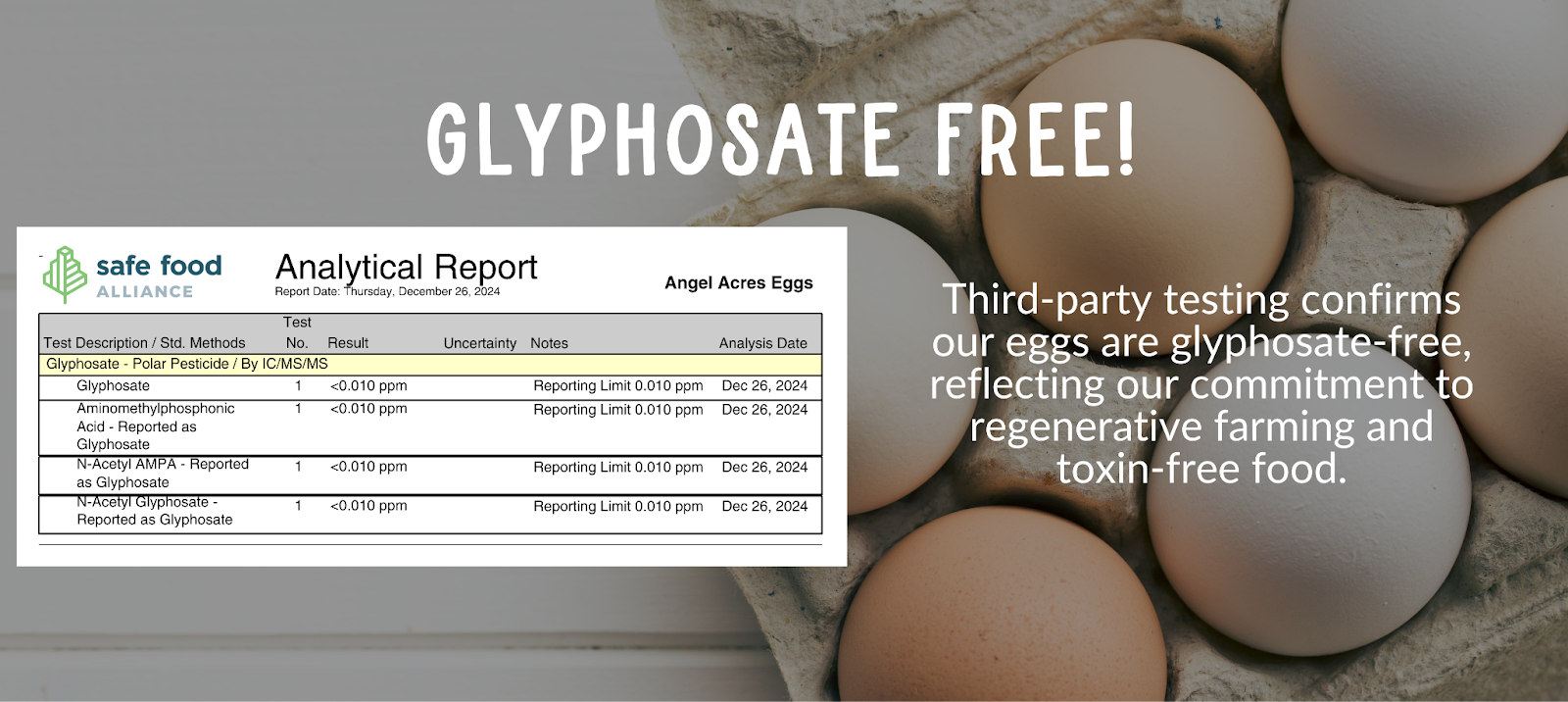
We don’t believe in shortcuts. We believe in doing things the right way, from the ground up.
If you want to support a different kind of food system, one less dependent on pesticides, drugs, and industrial shortcuts, we'd love for you to explore what we’re building at Nourish Food Club.
Because once you understand the problem, the next step is choosing better.
>> Shop the Nourish Difference