Many Pesticides Were Never Properly Tested by the Government

Many Pesticides Were Never Properly Tested by the Government

Nearly 30 years after a federal mandate, many pesticides still haven’t been properly tested for their effects on human endocrine health.

---------------------------------------------------

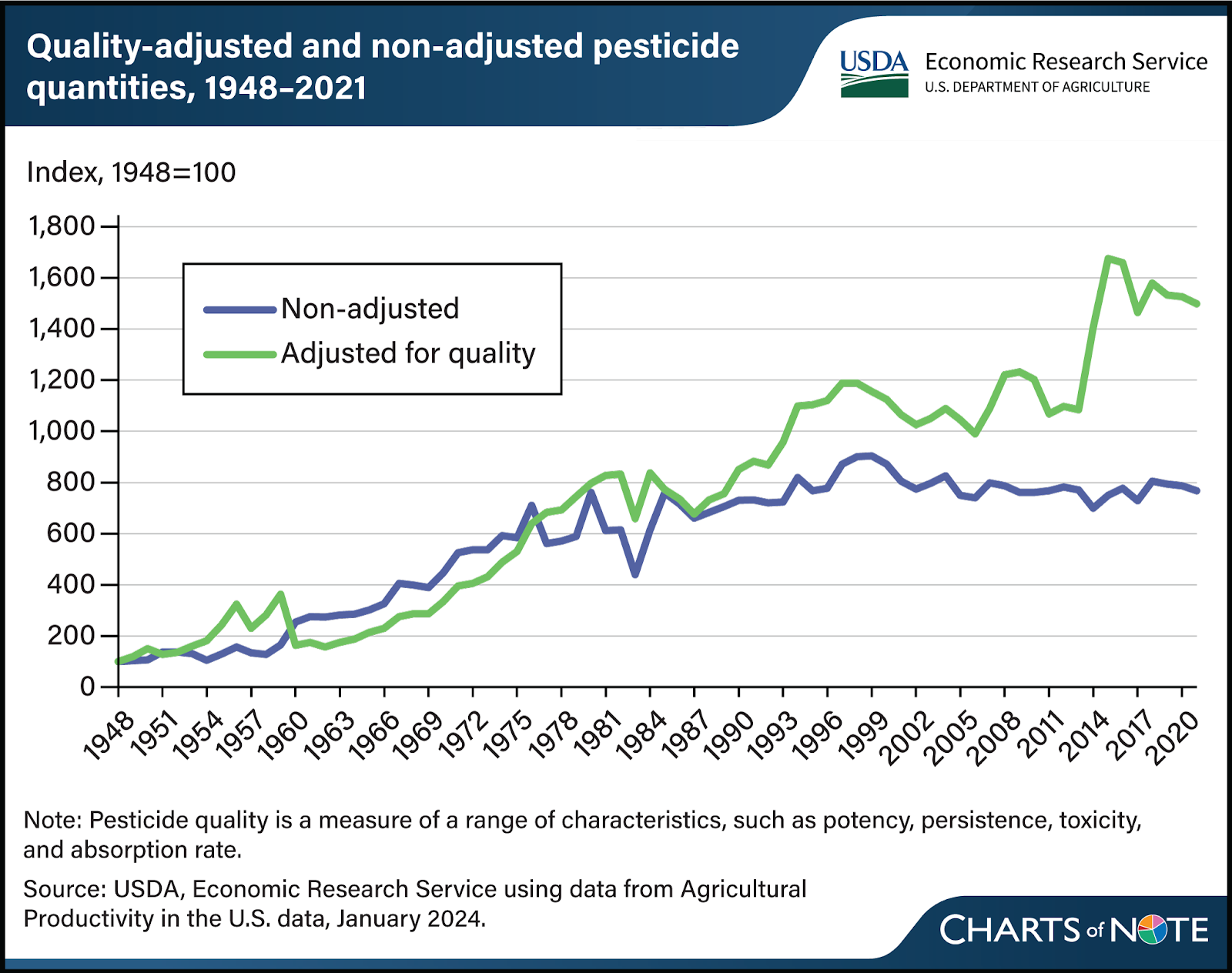
Cheap food production in the modern conventional system has dramatically increased our exposure to pesticides, far beyond anything previous generations experienced.

Even the U.S. government acknowledges there is evidence that pesticides may harm human health. Yet despite this, the regulatory system has been slow to act…delaying testing, postponing decisions, and allowing corporate influence to shape the pace of oversight.

So the truth is, many of these chemicals were never adequately tested for long-term human health effects by the very agencies responsible for regulating them.

Under a federal law implemented nearly 30 years ago, the EPA was required to screen pesticides for endocrine-disrupting effects.

Three decade later, that work remains incomplete.(ref) We’re still waiting on the most basic safety evaluations of chemicals that now saturate our food, water, and soil.

----------------------------------------------------

Many people understand that crops (whether for livestock feed, grains or produce) are often spayed with pesticides. But exposure doesn’t stop there. Pesticides move through the entire food chain.

Animals raised in industrial systems consume pesticide-laden feed crops and are exposed to chemical pesticide inputs in their environments. In confinement systems (CAFOs), this exposure can come from multiple sources:

  • Rodenticides (like warfarin and bromethalin) are used around feed storage and manure piles to kill rats and mice.

  • Insecticides (like organophosphates and synthetic pyrethroids) are fogged, sprayed, or even mixed directly into feed to control flies, mites, and beetles.

  • Medicated feeds often include compounds like carbaryl, designed to kill both internal and external parasites.

This adds another layer of exposure, one most people never consider. Over time, these compounds accumulate in livestock fat, organs, and secretions, eventually making their way into meat, milk, eggs, and even our waterways. (ref, ref, ref, ref, ref, ref)

This creates a continuous, low-level exposure that our bodies were never designed to handle.

So we have to ask: what are the long-term consequences of this kind of large-scale chemical exposure?

Research has linked chronic pesticide exposure to hormone disruption, fertility issues, gut dysfunction, metabolic disturbances, and the development of chronic disease.

But truthfully, we still don’t fully understand the long term human health effects because the long-term testing was never completed by the government agencies that were supposed to regulate them.

In many ways, we are living the experiment in real time.
angelfood

Who Is the Government Really Protecting? The Government Failed to Screen Pesticides for Hormonal Harm

Is the government truly in place to protect public health and ensure these chemicals are properly tested?

Or have key agencies been captured by the very industries they’re supposed to regulate?

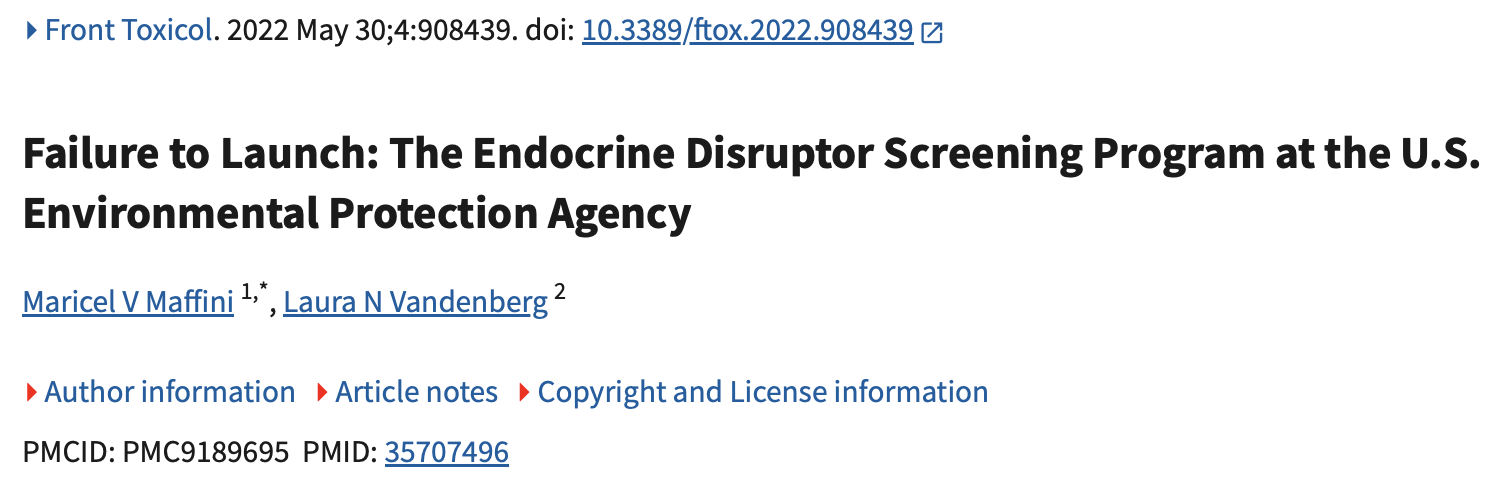
To answer this, let’s go back to 1996: a pivotal year when the Food Quality Protection Act (FQPA) was signed into law. (ref)

On paper, the FQPA looked like progress! It gave the EPA a clear mandate: protect human health from pesticide exposure and evaluate whether these chemicals act as endocrine disruptors (compounds that can interfere with hormones and metabolism, even at extremely low doses).

“The new law required the EPA to develop a screening program specifically to determine if chemicals used in pesticides had estrogenic properties.”

This Act was supposed to be a turning point and may have had good intentions.

But it has epically failed.
angelfood

From “Zero Tolerance” to “Acceptable Risk”

Before 1996, pesticide regulation relied on the Delaney Clause, a strict, hazard-based standard.

If a chemical was found to cause cancer at any level it was banned from the food supply. No exceptions.

After this FQPA, this approach was replaced with a more lenient risk-based model.

Instead of asking “Is this chemical harmful?”, regulators began asking: “At what level is this harm acceptable?”

🙄

Under this system, a pesticide could remain in the food supply, even if it was known to be hazardous, so long as exposure levels were deemed “low risk.”

This shift gave manufacturers significantly more flexibility to keep chemicals on the market.

While this is a loss for the food system, our health and the environment, this was a huge win for pesticide manufacturers!

What was once a zero-tolerance standard became a system of managed exposure.

The Promise of Endocrine Testing

Another piece of this FQPA set up in 1996 also required the EPA to establish the Endocrine Disruptor Screening Program (EDSP): a system designed to evaluate whether pesticides interfere with hormonal systems.

To guide the process, a federal advisory committee made up of scientists, public health experts, and industry representatives was tasked with prioritizing chemicals for testing.

At the time, over 80,000 chemicals were in use.

So how many did they begin with?

Just 52.

Less than one-tenth of one percent, and the reasoning behind this selection remains unclear.

But the plan they laid out was straightforward:

> Tier 1: A broad screening to identify whether a chemical interacts with hormone systems (estrogen, androgen, thyroid)

> Tier 2: A deeper dive to determine whether those interactions actually cause harmful biological effects, and at what levels.

On paper, the plan sounded like progress.

In reality, the program never delivered.

The Reality: Delays, Failures, and Abandonment

Implementation was a hot mess.

Not only were the deadlines missed, they weren’t even close.

  • - Tier 1 testing didn’t begin until 2009, thirteen years after the law passed in 1996
  • - Tier 2 testing has still not been fully validated today
  • - And many chemicals flagged in Tier 1 were never followed up on

Nearly three decades later (today), the EPA has yet to complete the very testing it was legally required to perform.

(And they even have it listed on their website that testing isn’t completed)

This isn’t a minor delay… it’s a systemic failure.

One that has allowed endocrine-disrupting chemicals to remain in the food system, largely unchecked, for close to 30 years.

The 2021 Inspector General Report

In 2021 (25 years after the FQPA was signed into law) the EPA’s own Inspector General reviewed the program. (ref)

His findings were deeply concerning:

> Over 1,300 chemicals were identified as high priority. Yet only a small fraction had even been considered for screening, let alone tested. Hmm, sounds like Big Ag lobbying dollars at play.

> The EDSP had effectively stalled, despite being required by federal law

> But perhaps the most troubling: after receiving initial data from Tier 1 testing, the EPA changed how results were evaluated.

In other words, they moved the goalposts after seeing the data.

Instead of using a consistent, science-based framework to determine which chemicals posed endocrine risks, the agency altered its evaluation approach, effectively rewriting the rules mid-game. This not only introduced bias, but also calls into question the validity of the entire screening process.

Some EPA staff even reported being told to operate as if the program had been defunded entirely.

By 2021, the EDSP had a small budget of just $7.5 million (a very small fraction relative to the government’s budget) and only four staff members.

angelfood

A System That Never Delivered

It has now been nearly 30 years since the FQPA was passed and the federal government has still not fulfilled its legal obligation to evaluate pesticides for endocrine disruption.

Meanwhile, these chemicals remain widely used, and widely consumed.

This is not just bureaucratic inefficiency.

It’s a clear example of how regulatory systems can be influenced, delayed, and diluted over time by Big Ag lobbyists (who don’t want their profitable pesticides to be tested).

When oversight agencies begin to accommodate the industries they regulate (become ‘captured’), whether through inaction, shifting standards, or lack of enforcement, the system stops functioning as intended.

The result is a public left exposed to chemicals that were never fully evaluated for long-term safety.


What Are Pesticides, Really?

Let’s break it down.

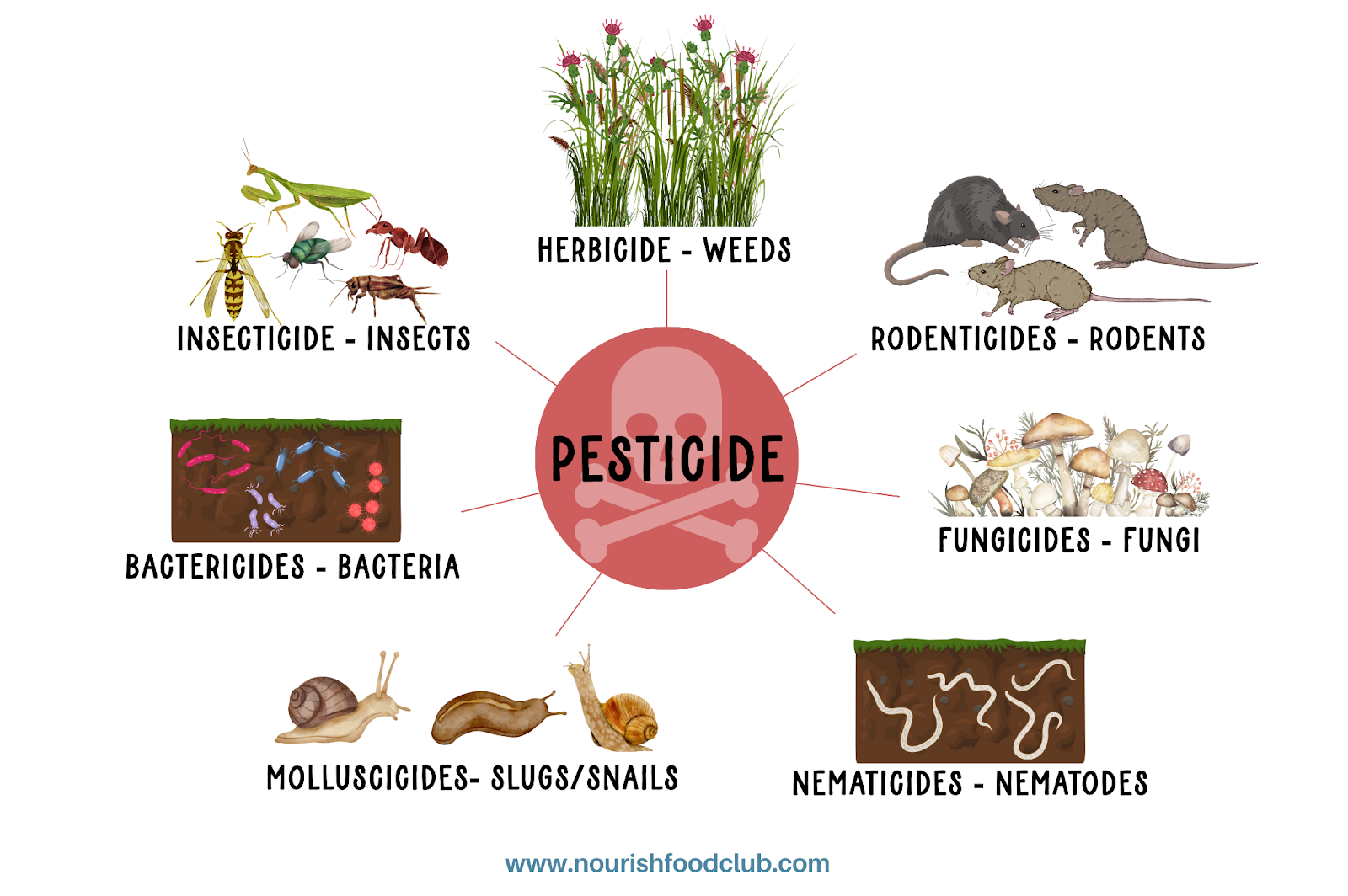
The term “pest” refers to any organism (whether insects, weeds, rodents, fungi, or bacteria) that is considered harmful in an agricultural setting.

The suffix “-cide” comes from the Latin caedere, meaning “to kill.”

So by definition, pesticides are substances designed to kill living organisms.

Different targets, same purpose: destruction.
angelfood

Modern pesticide use didn’t evolve slowly, it accelerated rapidly after World War II.

The same chemical infrastructure developed for warfare was redirected toward agriculture.

Ammonium nitrate, used in explosives, became synthetic fertilizer

Organophosphates, originally developed as nerve agents, were repurposed as insecticides

Yes… nerve agents.

These compounds disrupt how nerves transmit signals. In warfare, they paralyze or kill. In agriculture, they’re used to do the same, just to smaller organisms.

But it’s naïve to assume chemicals designed to disrupt life operate with perfect precision in a living system. There are always downstream effects….

And many pesticides are marketed as highly “specific”.

For example:

> Glyphosate blocks an enzyme in the shikimate pathway, found in plants but not humans

> Certain insecticides bind to neural receptors more common in insects

But targeted does not mean contained. Pesticides don’t stay where they are applied. They move through soil, water, air, food systems. They impact pollinators like bees and butterflies, soil microbes, birds, and aquatic life. And ultimately, they reach us. Through the food we eat and the water we drink.

Biological systems are interconnected. When one pathway is disrupted, ripple effects follow, impacting microbes (including those inside of our gut), ecosystems, and often unintended species.

So in reality, these chemicals behave less like scalpels and more like broad-spectrum disruptors.

Now, of course there’s a big difference between occasional use and systemic reliance.

The modern food system is a system build on chemical dependence.

(Similar to how modern medicine often relies on pharmaceuticals to manage symptoms.)

These chemicals enable monocropping, compensate for degraded soil health, and support large-scale confinement livestock systems (confinement animal feeding operations, CAFOs).

But instead of addressing root causes, they act as short-term fixes.

And each “solution” often creates new problems.

---------------------------------------------------------

Even though the government has not conducted adequate long-term endocrine health assessments on the thousands of chemicals and pesticides in use in agriculture today, independent researchers have continued documenting the real-world consequences of chronic exposure.

When you look at the broader body of evidence, the health impacts become difficult to ignore. Chronic pesticide exposure has been linked to increased risk of disease and cancer, hormone disruption, impaired gut health, and metabolic dysfunction that can contribute to weight gain and a slowed metabolism.

I dive deeper into the research behind these health effects of pesticides in this blog post: The Health Effects of Pesticides.

Follow the Money

You’ll often see polished ads and reassuring statements from agrochemical companies claiming that pesticides are safe and well-regulated. But we always need to ask: who benefits from that message?

Because when you follow the money, a very different picture starts to emerge.

Waging chemical warfare against natural biological systems does not come without consequences. And history shows us something important, nature always adapts. Pests develop resistance, requiring stronger chemicals, higher doses, or entirely new formulations. What begins as a “solution” quickly turns into an escalating cycle.

The widespread use of synthetic pesticides is not fundamentally about feeding the world. It’s about maximizing yield and minimizing cost in the short term. This system didn’t arise naturally, it was engineered over decades through a combination of government policy, corporate influence, and economic incentives that reward output over long-term resilience.

Government subsidies and crop insurance programs favor high-yield commodity crops, which are often heavily dependent on chemical inputs. At the same time, agricultural policy is heavily shaped by powerful lobbying groups, making it easier (and more profitable) for farmers to rely on synthetic pesticides, herbicides, and fertilizers. Meanwhile, regenerative and low-input approaches are often underfunded, overlooked, or dismissed as impractical.

And then there’s the structure of the industry itself.

Major agrochemical companies aren’t just selling individual products, they’re building integrated systems of dependence. They patent chemical compounds, securing exclusive rights and long-term profit streams. They also sell genetically modified seeds designed to work in tandem with their herbicides, along with synthetic fertilizers and other inputs. These are often bundled together into full “solutions,” making it increasingly difficult for farmers to step outside the system.

The result is a feedback loop: the more a farmer relies on these inputs, the harder it becomes to operate without them.

What gets framed as “modern agriculture” is, in many ways, a tightly controlled economic ecosystem, one where the incentives are aligned with chemical use, not necessarily with long-term soil health, farmer independence, or human health.

These synthetic solutions were never the fix. They were quick-fix band-aids for a broken system - a system that’s completely out of sync with nature.

A Better Way Forward

Clearly, we can’t rely on top down regulation to ensure food is safe. Regulatory capture is a real thing.

So real change is going to come from bottom up demand, and supporting farmers doing things the right way!

When budget and opportunities allow, it’s important to be intentional with food sourcing for your long term health.

Choose food you can trust, and support farmers working with nature, not against it.

This is where regenerative systems offer a fundamentally different approach, one that doesn’t rely on this constant chemical treadmill.

When you can, choosing grains, produce, meat, dairy, and eggs from regenerative farms that prioritize clean feed, low-input systems. This can significantly reduce your exposure through food!

Instead of relying on chemical “fixes” (drugs and pesticides), these systems work with biology and produce more nutrient-rich food with less of a chemical burden.

-------------------------------------------------

We started Nourish after seeing firsthand the downfalls of the modern food system, and realizing most people don’t have access to food they can truly trust.

So we built an alternative. One centered around small, regenerative farms. No pesticides. No drugs. Food raised the way it should be: resulting in better nutrient density, better flavor, and cleaner inputs from start to finish.

Corn and soy free eggs/chicken/pork, 100% grass fed beef/lamb, heritage wheat flour and sourdough, raw A2 cheese & more, all delivered directly to your door.

Because once you understand the problem… the next step is choosing better!

> Shop Nourish Food Club for clean food, delivered!


Ashley Armstrong

Latest Articles

Can Seed Oils Increase Sunburn Risk? How Dietary Fats Affect Skin Health and Sun Exposure

Can Seed Oils Increase Sunburn Risk? How Dietary Fats Affect Skin Health and Sun Exposure

For decades, we’ve been taught to fear the sun: cover up, avoid midday light, and rely heavily on sunscreen for protection. But the sun itself is not the enemy. Sun...

Can Seed Oils Increase Sunburn Risk? How Dietary Fats Affect Skin Health and Sun Exposure

For decades, we’ve been taught to fear the sun: cover up, avoid midday light, and rely heavily on sunscreen for protection. But the sun itself is not the enemy. Sun...

Eggshell toothpaste

Homemade Eggshell Toothpaste: A Simple Way to Reuse Your Eggshells

Learn how to make homemade eggshell toothpaste using finely ground eggshell powder, coconut oil, and a few simple ingredients. A practical, low-waste way to reuse leftover eggshells instead of throwing...

Homemade Eggshell Toothpaste: A Simple Way to Reuse Your Eggshells

Learn how to make homemade eggshell toothpaste using finely ground eggshell powder, coconut oil, and a few simple ingredients. A practical, low-waste way to reuse leftover eggshells instead of throwing...

Symptoms Are Not the Enemy

Symptoms Are Not the Enemy

Guest Contributor: Dr. Alex Orton, ND at havenholistichealth.com ------------------------------------------------------------------------------------ There's only one disease. This is the cure. You have been at war with your body for your whole life. Well,...

Symptoms Are Not the Enemy

Guest Contributor: Dr. Alex Orton, ND at havenholistichealth.com ------------------------------------------------------------------------------------ There's only one disease. This is the cure. You have been at war with your body for your whole life. Well,...

What to Do With Eggshells: 7 Simple Ways to Use Them (Instead of Throwing Them Away)

What to Do With Eggshells: 7 Simple Ways to Use Them (Instead of Throwing Them Away)

If you go through a lot of eggs each week, you’ve probably wondered what to do with all those leftover shells. Instead of throwing them away, here are simple, practical...

What to Do With Eggshells: 7 Simple Ways to Use Them (Instead of Throwing Them Away)

If you go through a lot of eggs each week, you’ve probably wondered what to do with all those leftover shells. Instead of throwing them away, here are simple, practical...

How Livestock Drug Use Impacts Human Health, Antibiotic Resistance, and the Environment

How Livestock Drug Use Impacts Human Health, Antibiotic Resistance, and the Environment

This is Part 3 of a deep dive into drug use in conventional animal agriculture. So far, we’ve covered how these drugs became embedded in the system—and what happens after...

How Livestock Drug Use Impacts Human Health, Antibiotic Resistance, and the Environment

This is Part 3 of a deep dive into drug use in conventional animal agriculture. So far, we’ve covered how these drugs became embedded in the system—and what happens after...

Do Drug Residues End Up in Meat, Milk, and Eggs? Understanding MRLs and Food Testing Gaps

Do Drug Residues End Up in Meat, Milk, and Eggs? Understanding MRLs and Food Testing Gaps

In Part 1, we broke down how drug use has become a routine part of conventional meat production, and why the system depends on it. But that understanding naturally leads...

Do Drug Residues End Up in Meat, Milk, and Eggs? Understanding MRLs and Food Testing Gaps

In Part 1, we broke down how drug use has become a routine part of conventional meat production, and why the system depends on it. But that understanding naturally leads...

Drug Use in Livestock: Why Antibiotics and Other Drugs Are Used in Modern Animal Agriculture

Drug Use in Livestock: Why Antibiotics and Other Drugs Are Used in Modern Animal Agriculture

Drugs are used extensively in today’s conventional livestock production systems From chickens and pigs raised in confinement operations (CAFOs), to beef and dairy cattle in feedlots, to even conventional honeybee...

Drug Use in Livestock: Why Antibiotics and Other Drugs Are Used in Modern Animal Agriculture

Drugs are used extensively in today’s conventional livestock production systems From chickens and pigs raised in confinement operations (CAFOs), to beef and dairy cattle in feedlots, to even conventional honeybee...

brown vs white eggs

Are Brown Eggs Healthier Than White Eggs? 🥚 The Truth About Egg Color

Are brown eggs healthier than white? Uncover the truth about egg color, nutrition, and flavor at Nourish Food Club | Join us for insights!

Are Brown Eggs Healthier Than White Eggs? 🥚 The Truth About Egg Color

Are brown eggs healthier than white? Uncover the truth about egg color, nutrition, and flavor at Nourish Food Club | Join us for insights!

Why Is Sourdough Bread Good For You Benefits Explained

Why Is Sourdough Bread Good For You?

Learn if is sourdough bread good for you with Nourish Food Club covering fermentation, flour quality, digestion, and metabolic impact.

Why Is Sourdough Bread Good For You?

Learn if is sourdough bread good for you with Nourish Food Club covering fermentation, flour quality, digestion, and metabolic impact.

The Health Effects of Pesticides: What Chronic Exposure Does to Your Body

The Health Effects of Pesticides: What Chronic Exposure Does to Your Body

It’s naïve to assume that chemicals specifically designed to disrupt biological systems out on fields come without consequences for our own biology. When we attempt to control nature through chemistry,...

The Health Effects of Pesticides: What Chronic Exposure Does to Your Body

It’s naïve to assume that chemicals specifically designed to disrupt biological systems out on fields come without consequences for our own biology. When we attempt to control nature through chemistry,...

Pesticide-Coated Seeds: The Hidden Source of Chemical Exposure in Food

Pesticide-Coated Seeds: The Hidden Source of Chemical Exposure in Food

Key Points: > Many modern crop seeds are coated with pesticides before planting > This “upstream” pesticide use is largely untracked and not regulated > Seed coatings often contain multiple...

Pesticide-Coated Seeds: The Hidden Source of Chemical Exposure in Food

Key Points: > Many modern crop seeds are coated with pesticides before planting > This “upstream” pesticide use is largely untracked and not regulated > Seed coatings often contain multiple...

Does GMO Wheat Exist? Not Yet. But Soon.

Does GMO Wheat Exist? Not Yet. But Soon.

GMO wheat isn’t yet grown in the US, but it was approved for use in 2024 so its just a matter of time before yet another toxic ingredient is added...

Does GMO Wheat Exist? Not Yet. But Soon.

GMO wheat isn’t yet grown in the US, but it was approved for use in 2024 so its just a matter of time before yet another toxic ingredient is added...

Glyphosate Resistance Is Growing, and Here Comes Glufosinate

Glyphosate Resistance Is Growing, and Here Comes Glufosinate

Glyphosate now has a backup partner in crime. Meet glufosinate. Both glyphosate and glufosinate are broad-spectrum herbicides, meaning they’re designed to kill almost any plant they touch. They’re not selective,...

Glyphosate Resistance Is Growing, and Here Comes Glufosinate

Glyphosate now has a backup partner in crime. Meet glufosinate. Both glyphosate and glufosinate are broad-spectrum herbicides, meaning they’re designed to kill almost any plant they touch. They’re not selective,...

Why Folic Acid Is Added to Flour (And the Health Concerns)

Why Folic Acid Is Added to Flour (And the Health Concerns)

Most people have no idea that nearly every loaf of bread, tortilla, muffin, or bagel they buy contains added synthetic folic acid. While this government policy may have started with...

Why Folic Acid Is Added to Flour (And the Health Concerns)

Most people have no idea that nearly every loaf of bread, tortilla, muffin, or bagel they buy contains added synthetic folic acid. While this government policy may have started with...

Stop Chasing Protocols: The Foundations First Approach to Health

Stop Chasing Protocols: The Foundations First Approach to Health

Guest Contributor: Dr. Alex Orton, ND at havenholistichealth.com ------------------------------------------------------------ Most alternative health approaches are dead ends. Functional medicine. Biohacking. Esoteric protocols on internet forums. On paper, these approaches look good....

Stop Chasing Protocols: The Foundations First Approach to Health

Guest Contributor: Dr. Alex Orton, ND at havenholistichealth.com ------------------------------------------------------------ Most alternative health approaches are dead ends. Functional medicine. Biohacking. Esoteric protocols on internet forums. On paper, these approaches look good....

Iron-Fortified Flour: The Hidden Health Risks of Synthetic Iron in Enriched Wheat

Iron-Fortified Flour: The Hidden Health Risks of Synthetic Iron in Enriched Wheat

Once a nutrient-rich dietary staple, bread today can make many people feel unwell. While several factors may contribute (including pesticide residues like glyphosate, seed oils, and preservatives), one rarely discussed...

Iron-Fortified Flour: The Hidden Health Risks of Synthetic Iron in Enriched Wheat

Once a nutrient-rich dietary staple, bread today can make many people feel unwell. While several factors may contribute (including pesticide residues like glyphosate, seed oils, and preservatives), one rarely discussed...

Healthiest Way To Eat Eggs And Cook Them Well

Healthiest Way To Eat Eggs: Best Cooking Methods + What to Avoid

Learn the healthiest way to eat eggs, including cooking methods to use and what to avoid. Nourish Food Club explains how preparation affects egg quality.

Healthiest Way To Eat Eggs: Best Cooking Methods + What to Avoid

Learn the healthiest way to eat eggs, including cooking methods to use and what to avoid. Nourish Food Club explains how preparation affects egg quality.

Heritage Wheat Benefits, Nutrition & Key Differences

Heritage Wheat: Benefits, Nutrition And How It Compares To Modern Wheat

Explore heritage wheat nutrition, benefits, and how it compares to modern wheat. Nourish Food Club breaks down flavor, fiber, digestibility, and the value of ancient grains.

Heritage Wheat: Benefits, Nutrition And How It Compares To Modern Wheat

Explore heritage wheat nutrition, benefits, and how it compares to modern wheat. Nourish Food Club breaks down flavor, fiber, digestibility, and the value of ancient grains.

Is Sourdough Bread Healthy? 8 Science-Backed Benefits of Traditional Sourdough

Is Sourdough Bread Healthy? 8 Science-Backed Benefits of Traditional Sourdough

Sourdough is all the rave right now, but what does it actually mean, and why do so many people say they digest it better than modern bread? A deep dive...

Is Sourdough Bread Healthy? 8 Science-Backed Benefits of Traditional Sourdough

Sourdough is all the rave right now, but what does it actually mean, and why do so many people say they digest it better than modern bread? A deep dive...

How to Spot Fake Sourdough: The 3 Types of Sourdough Explained

How to Spot Fake Sourdough: The 3 Types of Sourdough Explained

Not all sourdough is created equal. And truthfully, most of the sourdough in the US is fake. That’s because in the US, the word “sourdough” has no legal definition. That...

How to Spot Fake Sourdough: The 3 Types of Sourdough Explained

Not all sourdough is created equal. And truthfully, most of the sourdough in the US is fake. That’s because in the US, the word “sourdough” has no legal definition. That...

Example Day of Eating: How to Hit Your RDAs Through Whole Foods (No Supplements Required)

Example Day of Eating: How to Hit Your RDAs Through Whole Foods (No Supplements Required)

If metabolism matters, micronutrients matter. In the last post, we covered why vitamins and minerals are not optional extras, they are required for your body to convert your food into...

Example Day of Eating: How to Hit Your RDAs Through Whole Foods (No Supplements Required)

If metabolism matters, micronutrients matter. In the last post, we covered why vitamins and minerals are not optional extras, they are required for your body to convert your food into...

How to Meet Your Vitamin and Mineral Needs Through Food (Not Supplements)

How to Meet Your Vitamin and Mineral Needs Through Food (Not Supplements)

People talk a lot about avoiding toxins these days, and rightfully so. Compounds that interfere with the body’s normal processes can absolutely impair health. But there’s another widespread issue we...

How to Meet Your Vitamin and Mineral Needs Through Food (Not Supplements)

People talk a lot about avoiding toxins these days, and rightfully so. Compounds that interfere with the body’s normal processes can absolutely impair health. But there’s another widespread issue we...

Naturally Multi-Colored Eggs Placed On The Ground

Pasture-Raised Eggs Meaning: Labels, Standards, And How To Choose The Best

Learn what pasture-raised eggs really mean, how labels fall short, why feed matters, and how to choose eggs with real transparency.

Pasture-Raised Eggs Meaning: Labels, Standards, And How To Choose The Best

Learn what pasture-raised eggs really mean, how labels fall short, why feed matters, and how to choose eggs with real transparency.

Person Prepping Meal With Eggs, Lemon, Avocado, Olives, and Salt

What Are Corn And Soy Free Eggs? Benefits, Taste, And What To Look For

Find out what corn and soy free eggs mean, why they matter for your health, and how to choose truly clean, healthy eggs for your family.

What Are Corn And Soy Free Eggs? Benefits, Taste, And What To Look For

Find out what corn and soy free eggs mean, why they matter for your health, and how to choose truly clean, healthy eggs for your family.

How to Create Your Own Perfect Personal Diet (And Stop Dieting Forever)

How to Create Your Own Perfect Personal Diet (And Stop Dieting Forever)

Guest Contributor: Dr. Alex Orton, ND This guest blog post was written by Dr. Alex Orton, a naturopathic doctor with over 10 years of experience in holistic health. Dr. Orton...

How to Create Your Own Perfect Personal Diet (And Stop Dieting Forever)

Guest Contributor: Dr. Alex Orton, ND This guest blog post was written by Dr. Alex Orton, a naturopathic doctor with over 10 years of experience in holistic health. Dr. Orton...

Breakfast plate of high-pufa eggs and sausage.

PUFAs Explained: Understanding Fats In The Modern Diet

Learn what PUFAs are, how they affect your health, and why low-PUFA foods matter. Find clean, low PUFA food choices at Nourish Food Club.

PUFAs Explained: Understanding Fats In The Modern Diet

Learn what PUFAs are, how they affect your health, and why low-PUFA foods matter. Find clean, low PUFA food choices at Nourish Food Club.

The “Vital Farms Egg Scandal” Isn’t a Scandal, It’s a Wake-Up Call

The “Vital Farms Egg Scandal” Isn’t a Scandal, It’s a Wake-Up Call

The so-called “Vital Farms Egg Scandal” has opened many people’s eyes to a reality that’s been hiding in plain sight: the modern food system is built on corn and soy...

The “Vital Farms Egg Scandal” Isn’t a Scandal, It’s a Wake-Up Call

The so-called “Vital Farms Egg Scandal” has opened many people’s eyes to a reality that’s been hiding in plain sight: the modern food system is built on corn and soy...

Is Linoleic Acid Really Essential? (an Omega 6 PUFA)

Is Linoleic Acid Really Essential? (an Omega 6 PUFA)

We’re often told certain nutrition “truths” as one-line headlines, without ever being encouraged to ask why. One examples is: “Linoleic acid is an essential fatty acid.” But what does essential actually mean?...

Is Linoleic Acid Really Essential? (an Omega 6 PUFA)

We’re often told certain nutrition “truths” as one-line headlines, without ever being encouraged to ask why. One examples is: “Linoleic acid is an essential fatty acid.” But what does essential actually mean?...

How Polyunsaturated Fats (PUFAs) Impair Metabolism and Energy Production

How Polyunsaturated Fats (PUFAs) Impair Metabolism and Energy Production

Together let's understand why the PUFAs in seed oils (and high intakes of conventional pork/chicken/eggs) can change how your body makes energy. The first thing to understand is that not...

How Polyunsaturated Fats (PUFAs) Impair Metabolism and Energy Production

Together let's understand why the PUFAs in seed oils (and high intakes of conventional pork/chicken/eggs) can change how your body makes energy. The first thing to understand is that not...

Glycine: The Anti-Inflammatory Amino Acid Most Diets Are Missing

Glycine: The Anti-Inflammatory Amino Acid Most Diets Are Missing

Most conversations about inflammation focus on "antioxidants", supplements, or eliminating entire food groups.Far less attention is paid to the signaling role of amino acids, particularly glycine, one of the most metabolically important...

Glycine: The Anti-Inflammatory Amino Acid Most Diets Are Missing

Most conversations about inflammation focus on "antioxidants", supplements, or eliminating entire food groups.Far less attention is paid to the signaling role of amino acids, particularly glycine, one of the most metabolically important...

Saturated Fat Was Never the Villain: Why Cholesterol Became the Wrong Target

Saturated Fat Was Never the Villain: Why Cholesterol Became the Wrong Target

We were told saturated fats were the bad guys, and that “heart-healthy” polyunsaturated fats would save us. But that story was wrong. New research (and the re-analysis of old research)...

Saturated Fat Was Never the Villain: Why Cholesterol Became the Wrong Target

We were told saturated fats were the bad guys, and that “heart-healthy” polyunsaturated fats would save us. But that story was wrong. New research (and the re-analysis of old research)...

Are Pasture-Raised Eggs Better? What the Label Really Means

Are Pasture-Raised Eggs Better? What the Label Really Means

When you hear the term “pasture-raised,” what do you picture? Hens roaming freely on green grass. Sunshine. Fresh air. Bugs and plants. A natural life that produces a better egg. But...

Are Pasture-Raised Eggs Better? What the Label Really Means

When you hear the term “pasture-raised,” what do you picture? Hens roaming freely on green grass. Sunshine. Fresh air. Bugs and plants. A natural life that produces a better egg. But...

The Unintended Consequences of Clean Energy on Your Nutrition

The Unintended Consequences of Clean Energy on Your Nutrition

Is “Clean Energy” Quietly PUFA-ing Our Food? Most people know why seed oils are a problem. They’re extremely high in the unstable polyunsaturated fat linoleic acid, an omega-6 that slows...

The Unintended Consequences of Clean Energy on Your Nutrition

Is “Clean Energy” Quietly PUFA-ing Our Food? Most people know why seed oils are a problem. They’re extremely high in the unstable polyunsaturated fat linoleic acid, an omega-6 that slows...

is flour bad for you

Is Flour Bad for You? The Truth About Modern, Processed Wheat

You hear it everywhere today: “bread is bad,” “flour is unhealthy,” “gluten is toxic.” And now every recipe on the internet seems to be flour-free or gluten-free. Okay… but what...

Is Flour Bad for You? The Truth About Modern, Processed Wheat

You hear it everywhere today: “bread is bad,” “flour is unhealthy,” “gluten is toxic.” And now every recipe on the internet seems to be flour-free or gluten-free. Okay… but what...

How to use Ancient Grains and Heritage Wheat

How to use Ancient Grains and Heritage Wheat

Flour used to be a staple in our ancestors’ diets. But over time, three major food system shifts have changed it dramatically: Modern wheat has been genetically altered to maximize...

How to use Ancient Grains and Heritage Wheat

Flour used to be a staple in our ancestors’ diets. But over time, three major food system shifts have changed it dramatically: Modern wheat has been genetically altered to maximize...

When Regenerative Agriculture Goes Industrial, And Why We Said No

When Regenerative Agriculture Goes Industrial, And Why We Said No

Lately, I’ve been reflecting on how much the pasture-raised and regenerative agriculture movement has grown, and that’s something to celebrate! More people than ever are asking questions about where their...

When Regenerative Agriculture Goes Industrial, And Why We Said No

Lately, I’ve been reflecting on how much the pasture-raised and regenerative agriculture movement has grown, and that’s something to celebrate! More people than ever are asking questions about where their...

How Linoleic Acid and Oxidized Fats Fuel Headaches

How Linoleic Acid and Oxidized Fats Fuel Headaches

There are many reasons headaches happen: muscle tension from stress, dehydration or electrolyte imbalance, even eye strain from screens. But one major factor is often overlooked: the types of fats in...

How Linoleic Acid and Oxidized Fats Fuel Headaches

There are many reasons headaches happen: muscle tension from stress, dehydration or electrolyte imbalance, even eye strain from screens. But one major factor is often overlooked: the types of fats in...

healthiest way to cook eggs

The Healthiest Way to Cook Eggs: Tips for Maximum Nutrition

Did you know that how you cook your eggs can impact how much nutrition your body actually absorbs? Eggs are nature’s perfect food, but the method you choose can make...

The Healthiest Way to Cook Eggs: Tips for Maximum Nutrition

Did you know that how you cook your eggs can impact how much nutrition your body actually absorbs? Eggs are nature’s perfect food, but the method you choose can make...

Grass-Fed vs. Grain-Fed Beef: The Metabolic Health Difference You Can See and Taste

Grass-Fed vs. Grain-Fed Beef: The Metabolic Health Difference You Can See and Taste

Grain-fed cattle raised in feedlots aren’t just fatter… they show the same metabolic warning signs we associate with diabetes in humans. In fact: the way a cow lives (what it...

Grass-Fed vs. Grain-Fed Beef: The Metabolic Health Difference You Can See and Taste

Grain-fed cattle raised in feedlots aren’t just fatter… they show the same metabolic warning signs we associate with diabetes in humans. In fact: the way a cow lives (what it...

The Truth About Lab-Made Meat (and Why Regenerative Farming Is Better)

The Truth About Lab-Made Meat (and Why Regenerative Farming Is Better)

Lab-made meat is being hailed as the future of food. Influencers are calling it more ethical, more sustainable, and better for the planet. But step back for a moment. Do...

The Truth About Lab-Made Meat (and Why Regenerative Farming Is Better)

Lab-made meat is being hailed as the future of food. Influencers are calling it more ethical, more sustainable, and better for the planet. But step back for a moment. Do...

How Modern Animal Feed and Seed Oils Changed the Fat in Your Eggs, Meat, and Body

How Modern Animal Feed and Seed Oils Changed the Fat in Your Eggs, Meat, and Body

The fatty acid makeup of the human body has changed. Meaning, you are literally built differently than your great-great-grandmother. And when your body’s building blocks change, so does your biology....

How Modern Animal Feed and Seed Oils Changed the Fat in Your Eggs, Meat, and Body

The fatty acid makeup of the human body has changed. Meaning, you are literally built differently than your great-great-grandmother. And when your body’s building blocks change, so does your biology....

corn and soy free

Are 'Corn and Soy Free Eggs' a scam?

The unfortunate reality is that many brands advertising “corn and soy free” eggs are kind of missing the mark.  Yes, removing corn and soy from chicken feed can help avoid...

Are 'Corn and Soy Free Eggs' a scam?

The unfortunate reality is that many brands advertising “corn and soy free” eggs are kind of missing the mark.  Yes, removing corn and soy from chicken feed can help avoid...

PUFAs and Seed Oils: Why These Fats Damage Your Metabolism and Overall Health

PUFAs and Seed Oils: Why These Fats Damage Your Metabolism and Overall Health

This post is a PUFA deep dive. You’ll learn what they are, how they affect your health, and how to avoid them, so you can feel empowered to make better...

PUFAs and Seed Oils: Why These Fats Damage Your Metabolism and Overall Health

This post is a PUFA deep dive. You’ll learn what they are, how they affect your health, and how to avoid them, so you can feel empowered to make better...

Pork and Metabolism: How This Vitamin B1‑Rich Meat Boosts Energy

Pork and Metabolism: How This Vitamin B1‑Rich Meat Boosts Energy

Pork is an underrated superfood for your metabolism. When you think of nutrient‑dense meats, you probably picture beef or chicken. But here’s a surprising fact: pork is one of the...

Pork and Metabolism: How This Vitamin B1‑Rich Meat Boosts Energy

Pork is an underrated superfood for your metabolism. When you think of nutrient‑dense meats, you probably picture beef or chicken. But here’s a surprising fact: pork is one of the...

How to Eat a Low PUFA Diet (& Why You Should)

How to Eat a Low PUFA Diet (& Why You Should)

Thinking about switching to a low PUFA diet? You’re not alone. More people are waking up to the idea that not all fats are created equal. Polyunsaturated fatty acids (PUFAs),...

How to Eat a Low PUFA Diet (& Why You Should)

Thinking about switching to a low PUFA diet? You’re not alone. More people are waking up to the idea that not all fats are created equal. Polyunsaturated fatty acids (PUFAs),...

Why Omega‑3 Enriched Eggs Aren’t as Healthy as You Think

Why Omega‑3 Enriched Eggs Aren’t as Healthy as You Think

This is a controversial opinion, but here it is: it’s time to move on from omega‑3 enriched eggs.  They aren’t as natural as they sound, are not really 'health foods',...

Why Omega‑3 Enriched Eggs Aren’t as Healthy as You Think

This is a controversial opinion, but here it is: it’s time to move on from omega‑3 enriched eggs.  They aren’t as natural as they sound, are not really 'health foods',...

Why We Say No to Soy: The Hidden Costs of Soy in Eggs, Meat, and Milk

Why We Say No to Soy: The Hidden Costs of Soy in Eggs, Meat, and Milk

The unfortunate reality is that soy is the backbone of modern livestock feed.Not because it’s the best for animals or humans, but because it’s a cheap protein source and is...

Why We Say No to Soy: The Hidden Costs of Soy in Eggs, Meat, and Milk

The unfortunate reality is that soy is the backbone of modern livestock feed.Not because it’s the best for animals or humans, but because it’s a cheap protein source and is...

Is Chicken Still a Healthy Protein? Here’s What Most People Don't Know

Is Chicken Still a Healthy Protein? Here’s What Most People Don't Know

Let's have a chicken chat.  Chicken is a great source of dietary protein and contains valuable nutrients like Vitamin B3 and Vitamin B6. In fact, it contains more of both...

Is Chicken Still a Healthy Protein? Here’s What Most People Don't Know

Let's have a chicken chat.  Chicken is a great source of dietary protein and contains valuable nutrients like Vitamin B3 and Vitamin B6. In fact, it contains more of both...

Could This Saturated Fat Help Fight Cancer? The Metabolic Power of Stearic Acid

Could This Saturated Fat Help Fight Cancer? The Metabolic Power of Stearic Acid

I am deeply fascinated (okay, maybe borderline obsessed) with how different types of dietary fatty acids impact metabolism and overall body function. This obsession has made me an avid reader...

Could This Saturated Fat Help Fight Cancer? The Metabolic Power of Stearic Acid

I am deeply fascinated (okay, maybe borderline obsessed) with how different types of dietary fatty acids impact metabolism and overall body function. This obsession has made me an avid reader...