Summer Soups: Why Traditional Cultures Ate Soup Year-Round
Apparently people think it’s weird to eat soup in the summer.
I used to think so too, until I realized that our whole concept of “soup season” is a pretty modern idea.
We’ve kind of turned soup into this quintessential cozy fall and winter food. The temperature drops, you pull out the Dutch oven, make a big pot of soup, put on a sweater, and suddenly it’s officially soup season.
But who decided soup needed a season?
Because historically, that really wasn’t the case.
Traditional food cultures all over the world ate soups, broths, stews, and other one-pot meals throughout the year, including during the hottest months of summer.
And once I started looking into traditional food cultures, I realized just how many examples there are.
Soup Around the World
Some traditional summer soups are cold and refreshing. Others are served piping hot. Some are bone broth-based, while others use dairy, cultured dairy, coconut milk, meat, grains, legumes, or whatever vegetables happen to be in season.
Here are just a few:
-
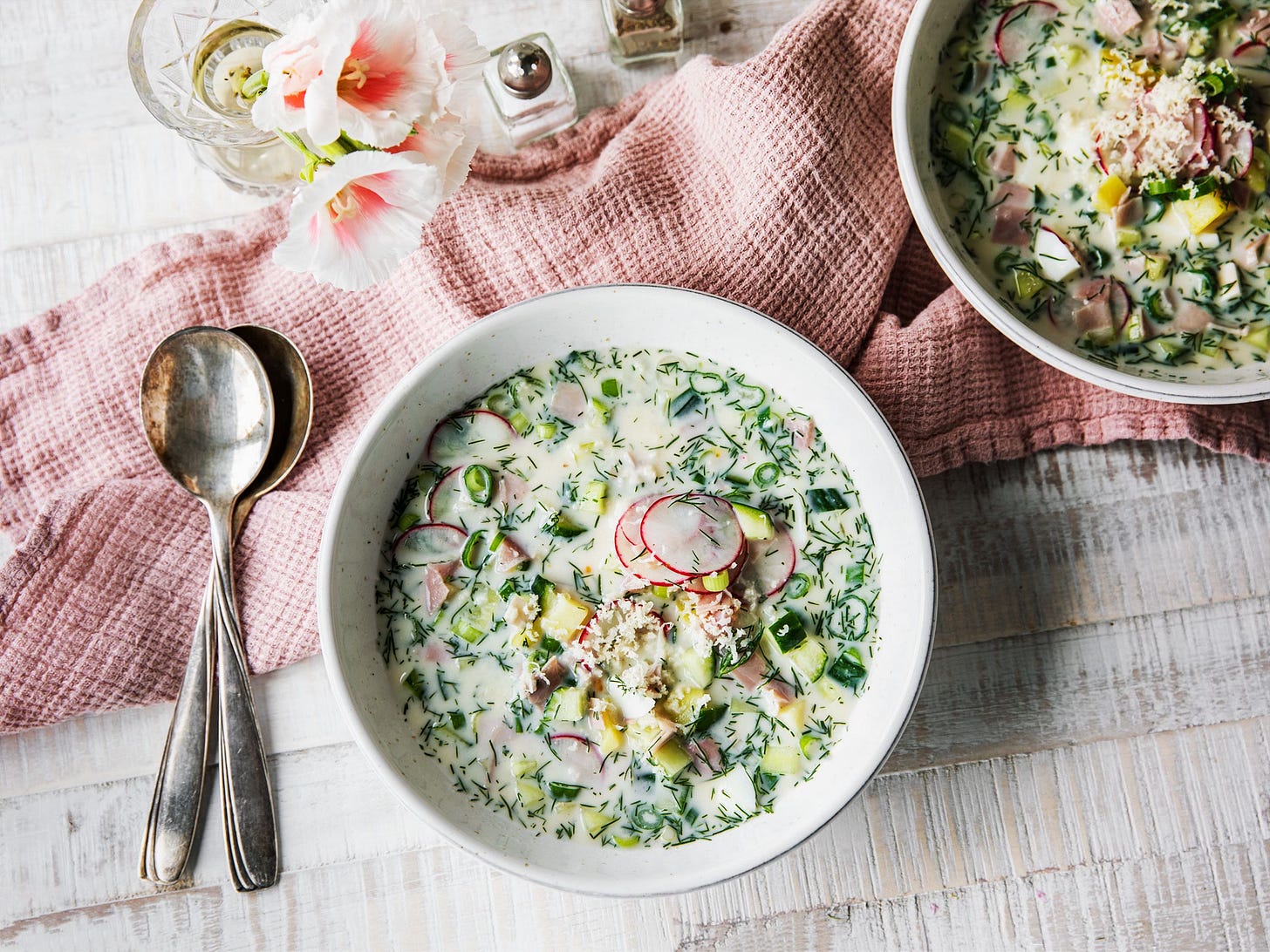
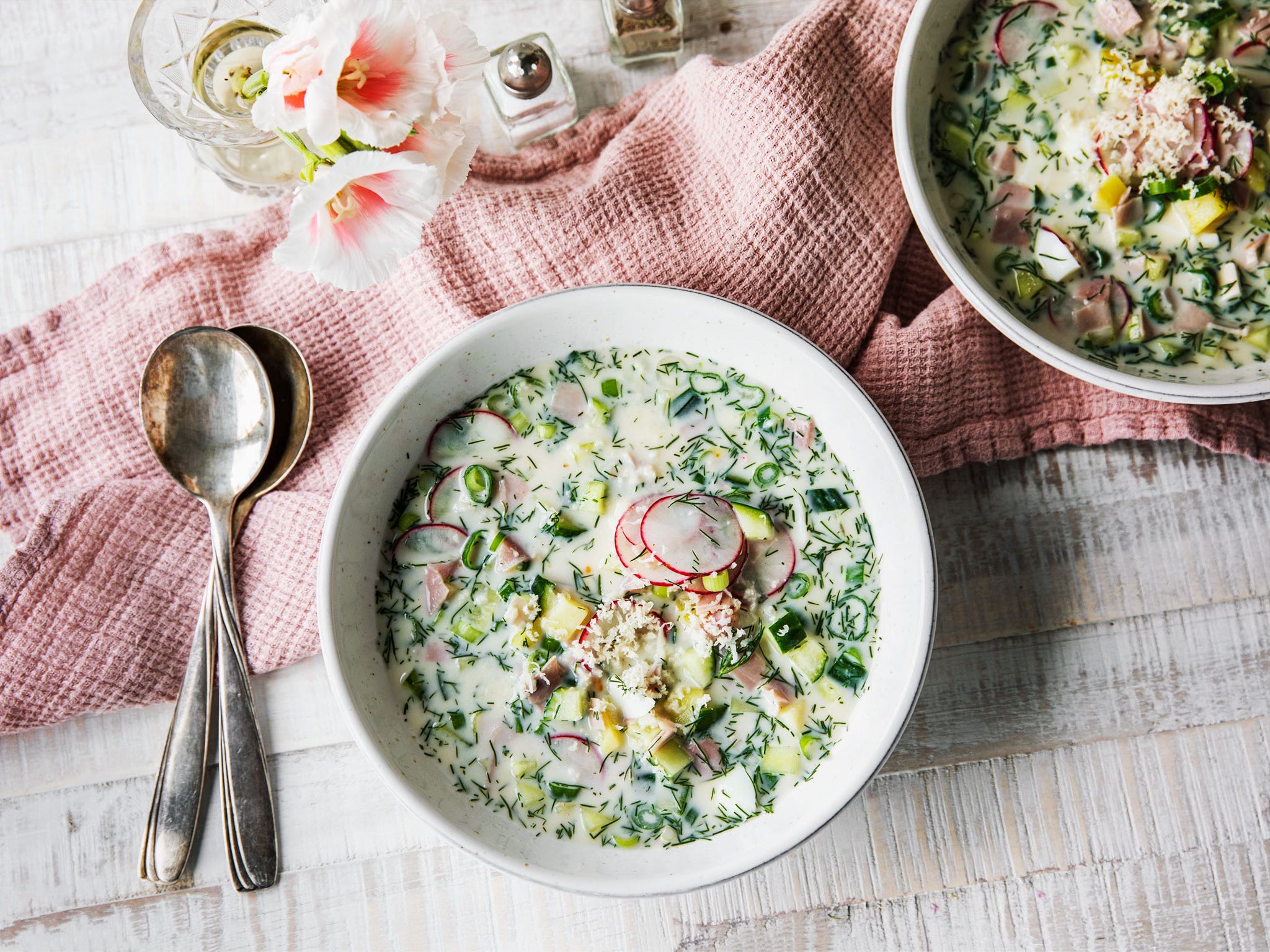
Russia: Okroshka
-
A cold soup made with ingredients such as cucumber, potatoes, eggs, dill, green onions, meat, and traditionally kvass or sometimes cultured dairy. It’s almost like turning a potato-and-cucumber salad into soup.
-
-
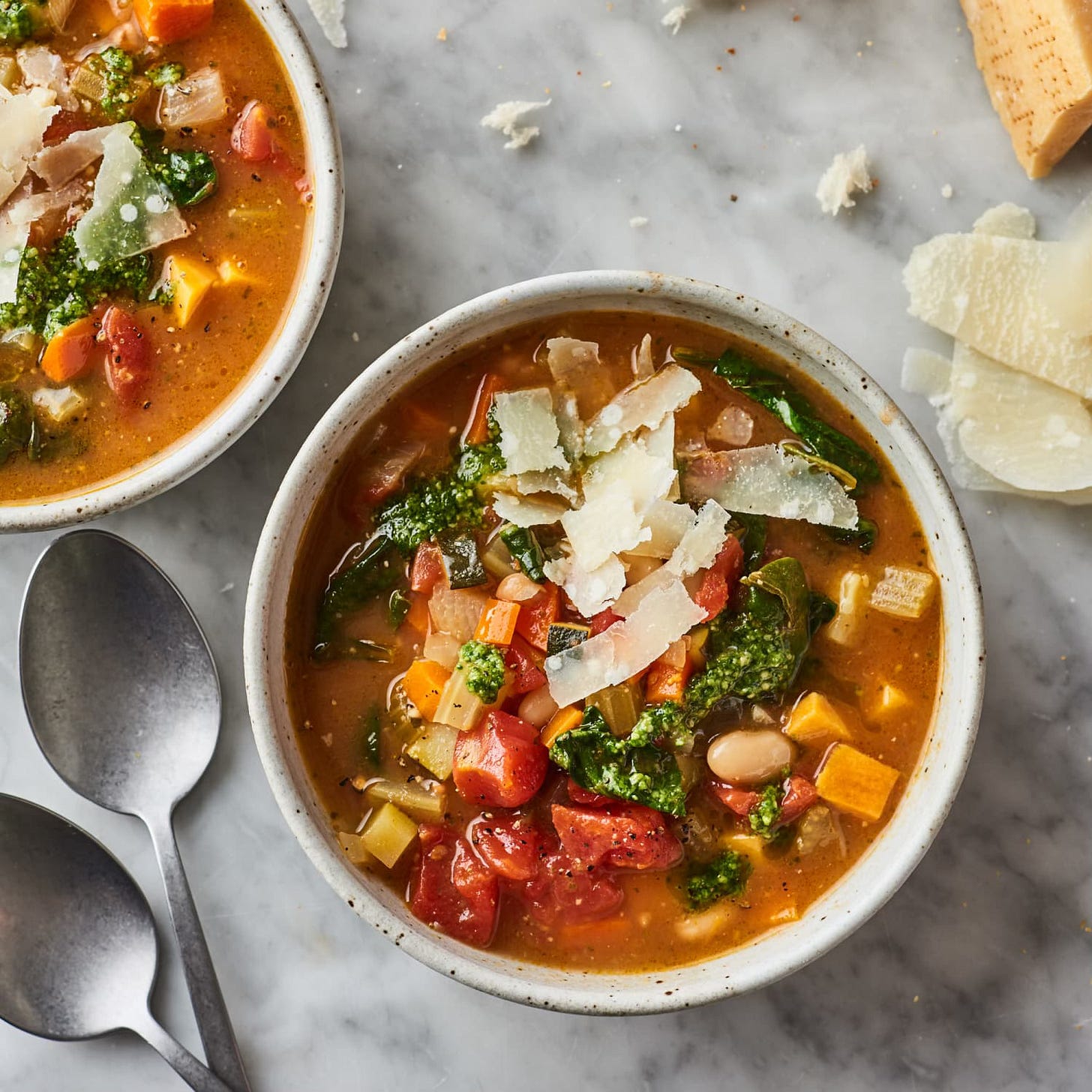
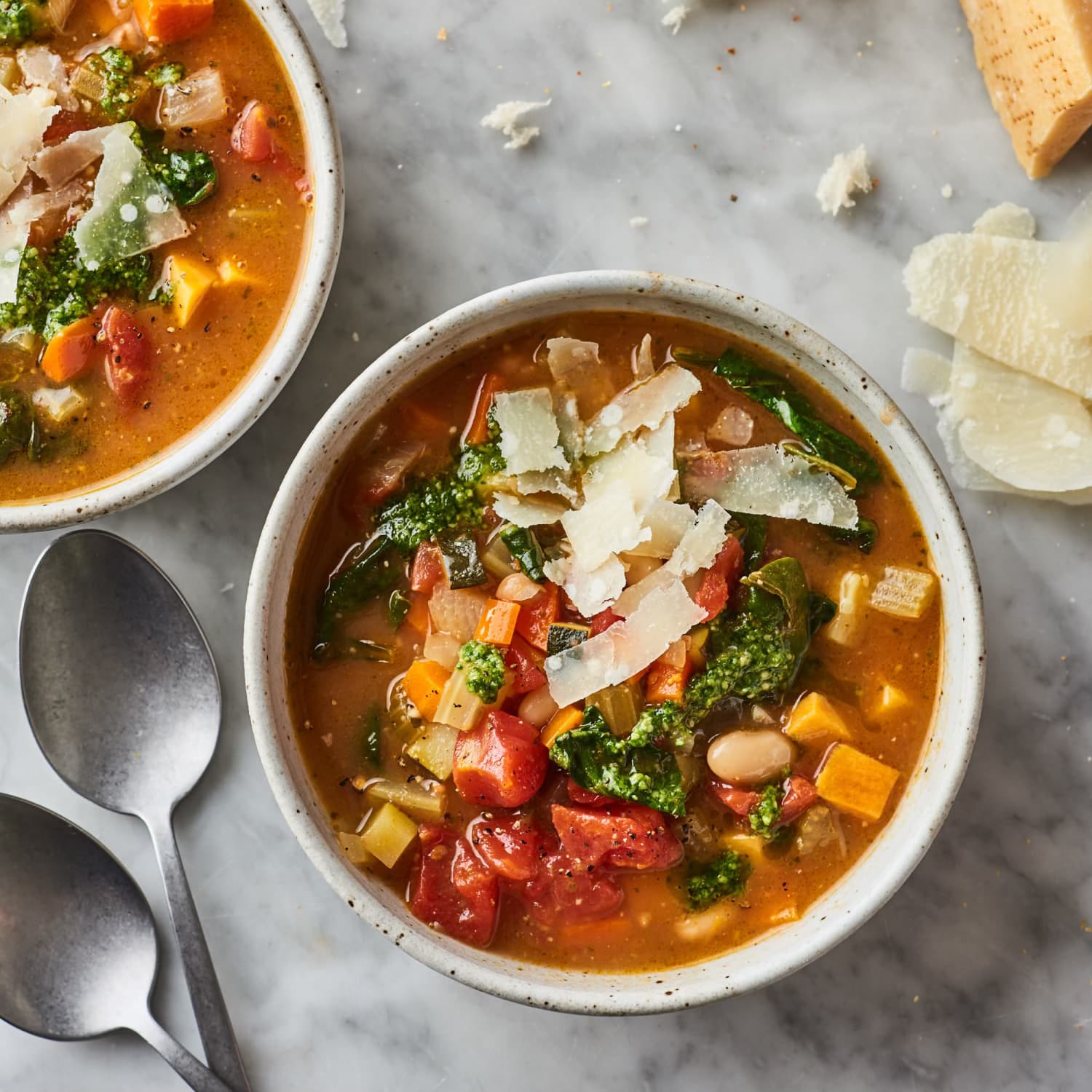
Italy: Minestrone
-
There isn’t really one definitive recipe for minestrone. It’s a vegetable soup that changes based on region, season, and what’s available, which makes it a perfect example of soup simply adapting to the food being harvested at the time. I like to make my minestrone versions with chicken or beef bone broth, and serve with Heritage Wheat Sourdough Bread.
-
-
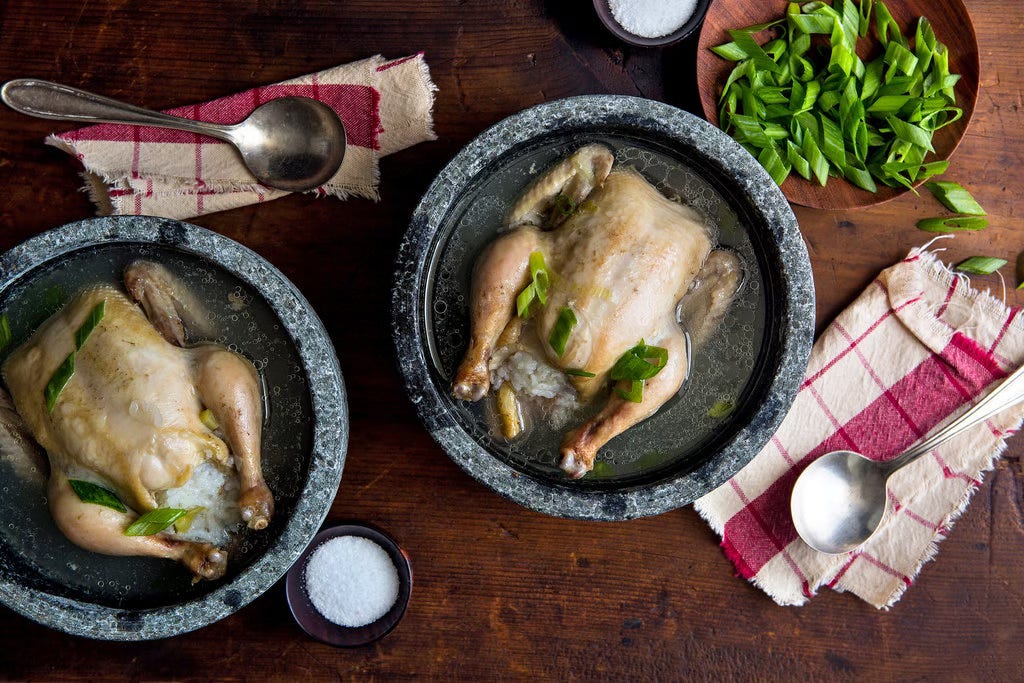
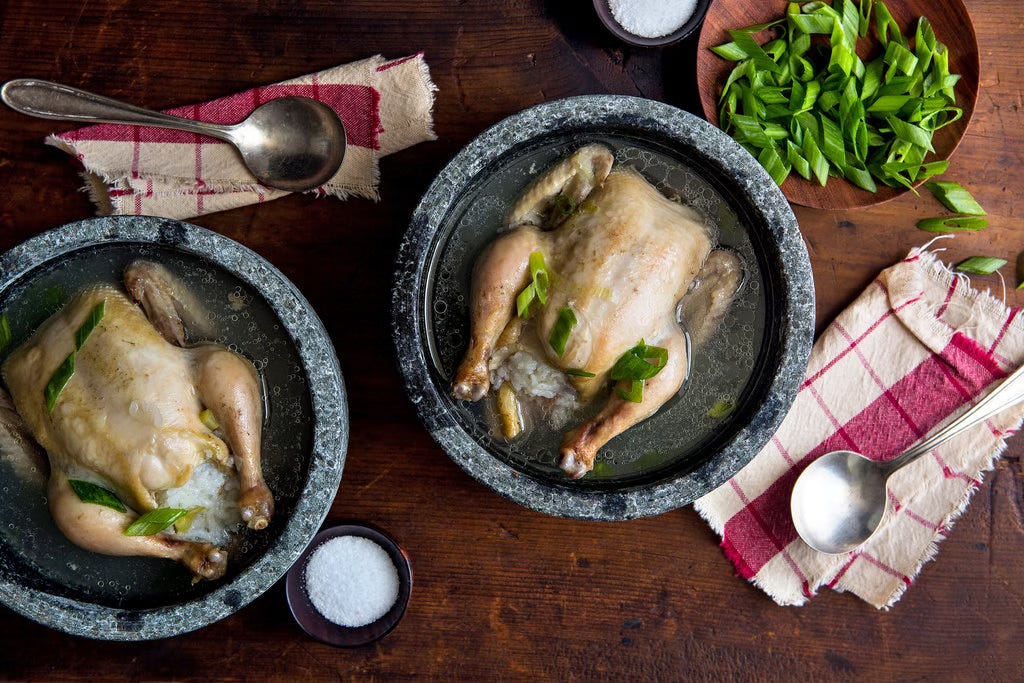
Korea: Samgyetang
-
A hot chicken soup traditionally made with a whole young chicken, ginseng, garlic, rice, and jujubes. What’s especially interesting is that samgyetang is famously eaten during “boknal”, which are some of the hottest days of the Korean summer. This is associated with the Korean concept of iyeolchiyeol, often translated along the lines of “fight heat with heat.”
-
-
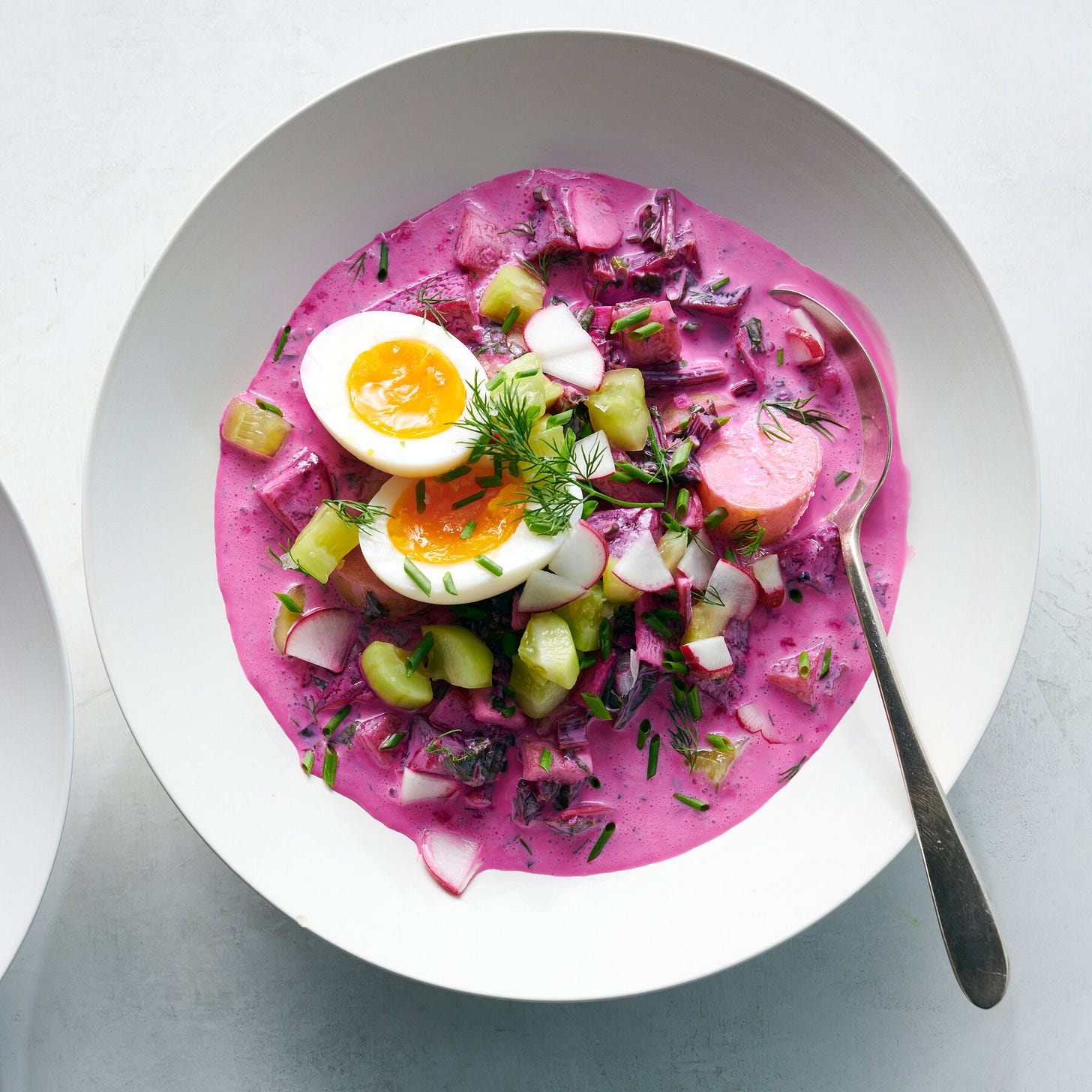
Poland: Chłodnik
-
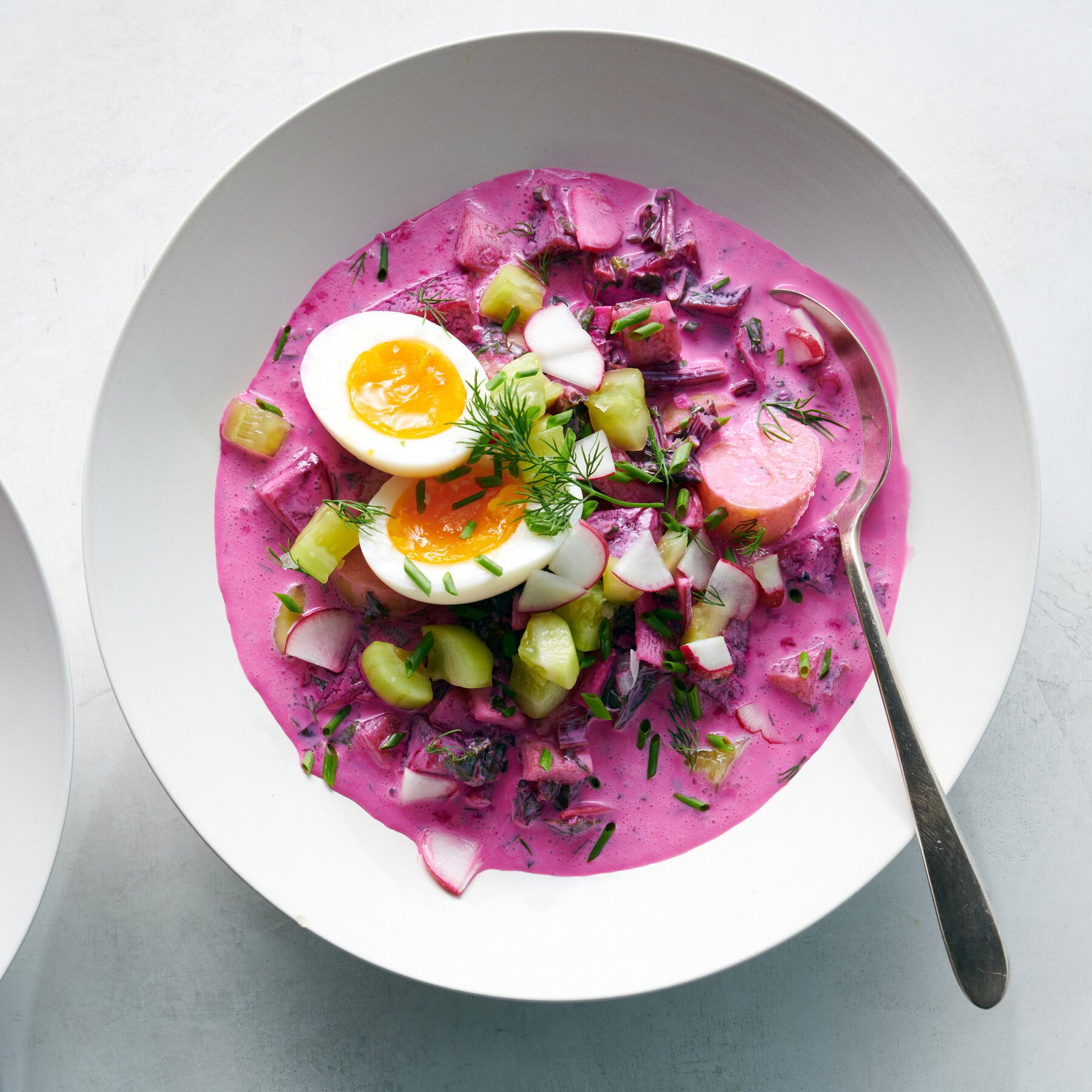
A beautiful cold summer soup made with beets, cucumber, dill, eggs, and cultured dairy such as kefir or soured milk. Look at how pretty this is!
-
-
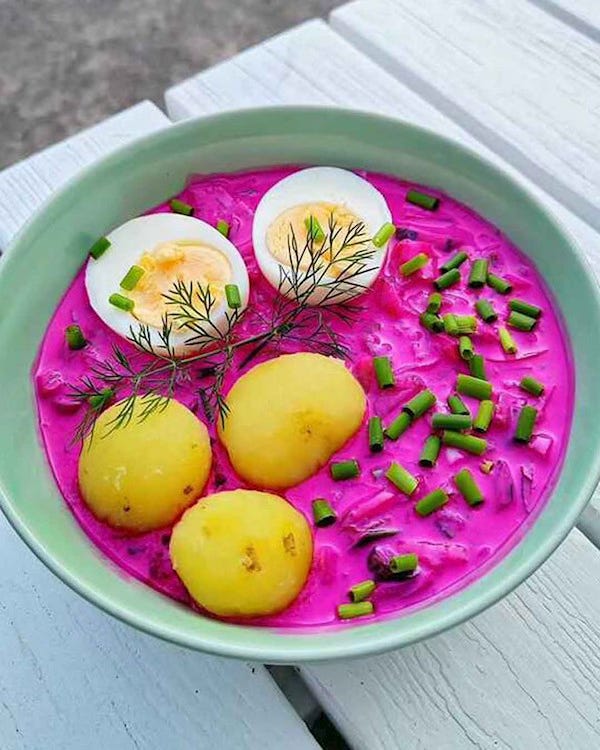
Lithuania: Šaltibarščiai
-
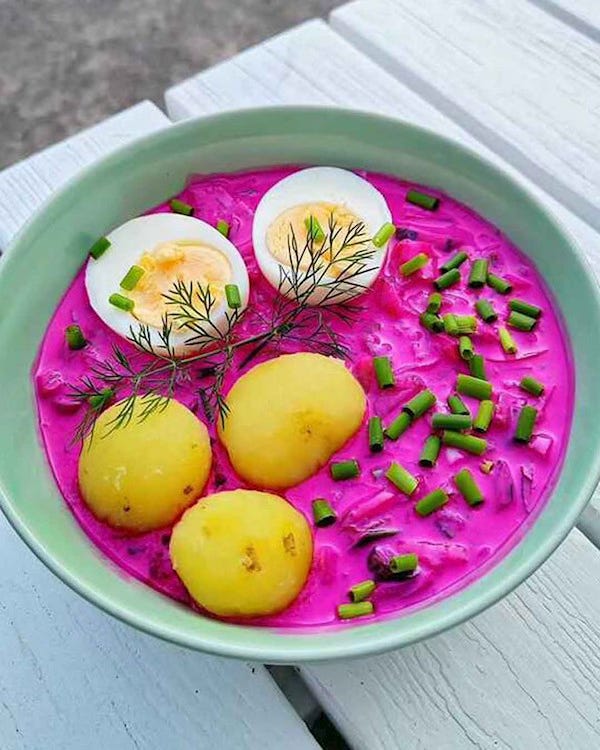
Lithuania has a similar bright-pink cold beet soup made with beets, cucumber, spring onions, dill, eggs, and kefir or buttermilk, often served alongside potatoes.
-
-
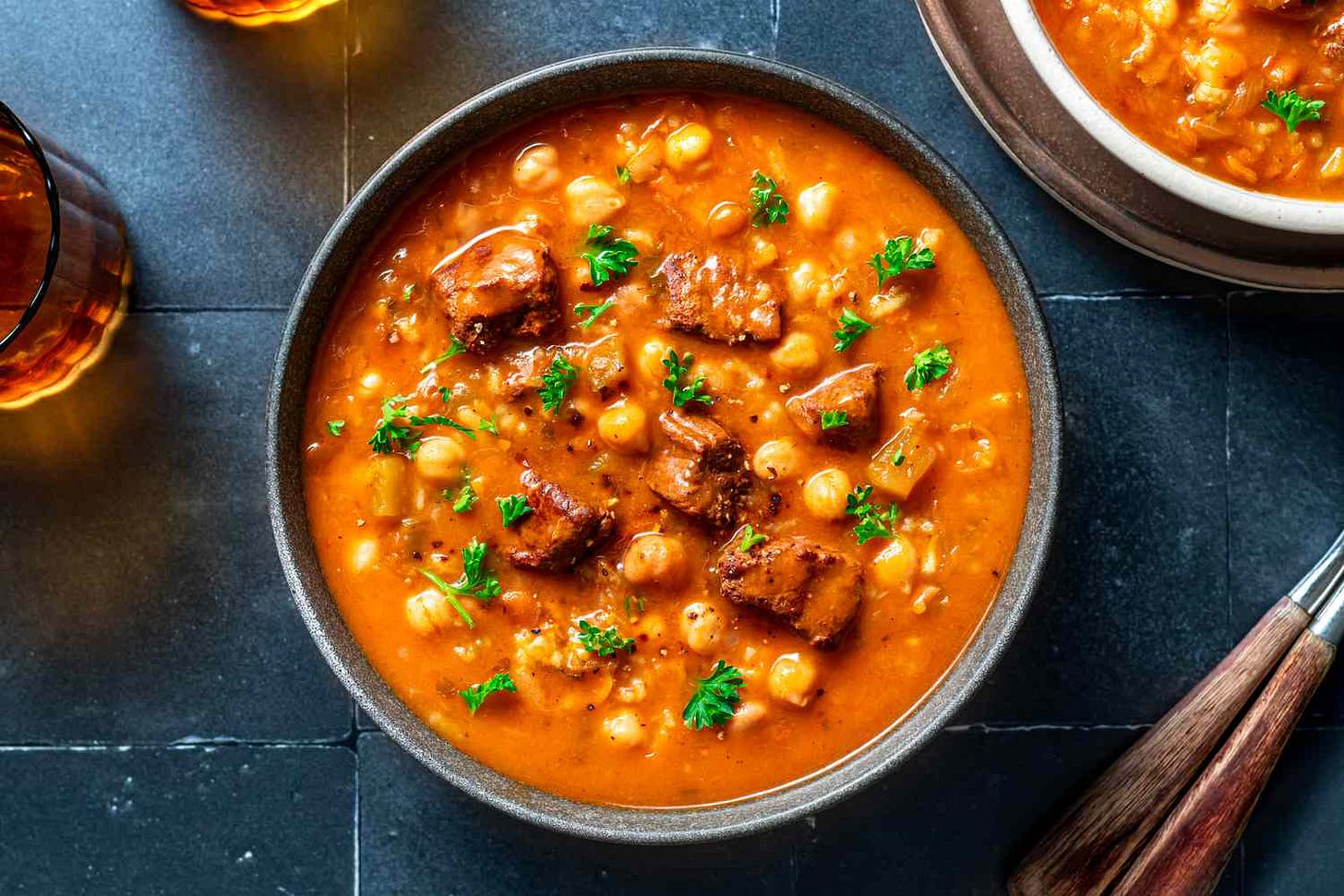
Morocco: Harira
-
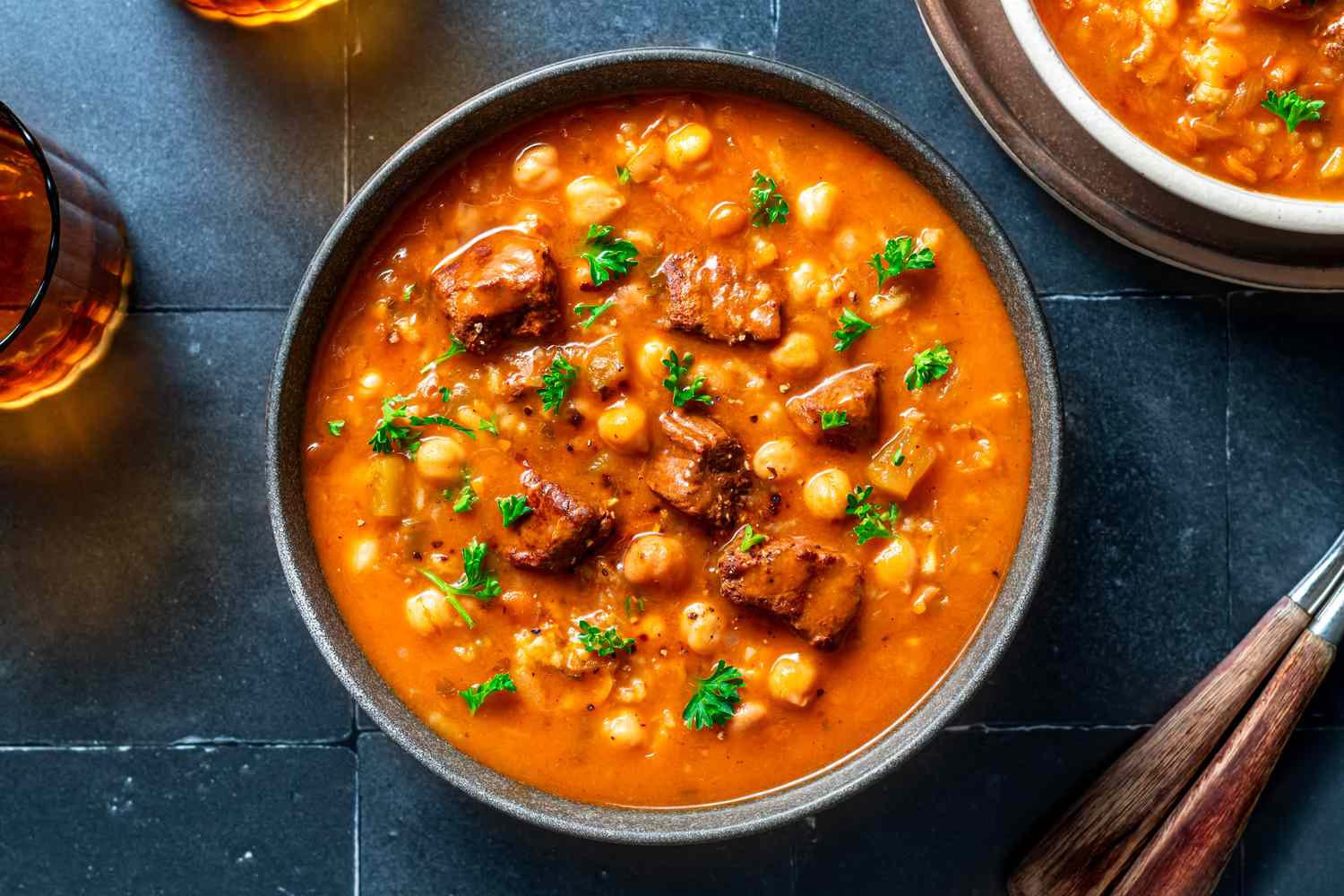
A hearty soup traditionally made with tomatoes, lentils, chickpeas, herbs, spices, and often meat. It’s yet another good reminder that hearty soups aren’t exclusive to cold northern climates.
-
-
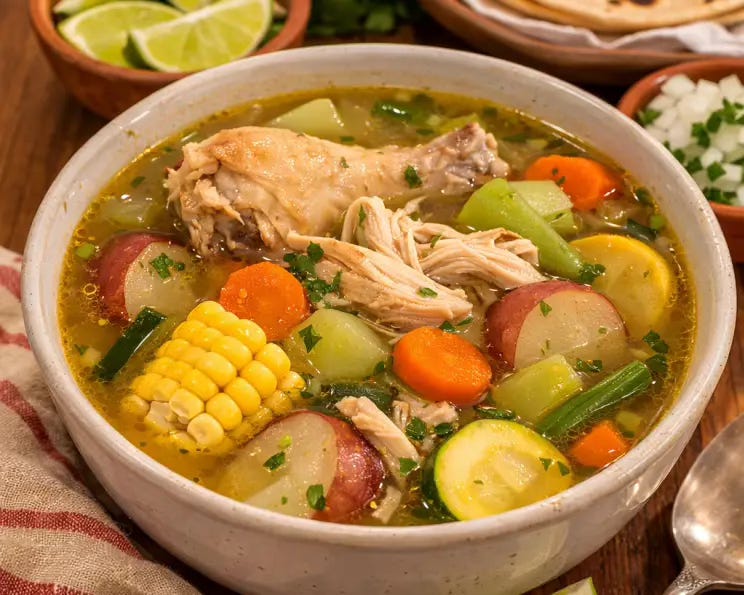
Mexico: Caldos and Pozole
-
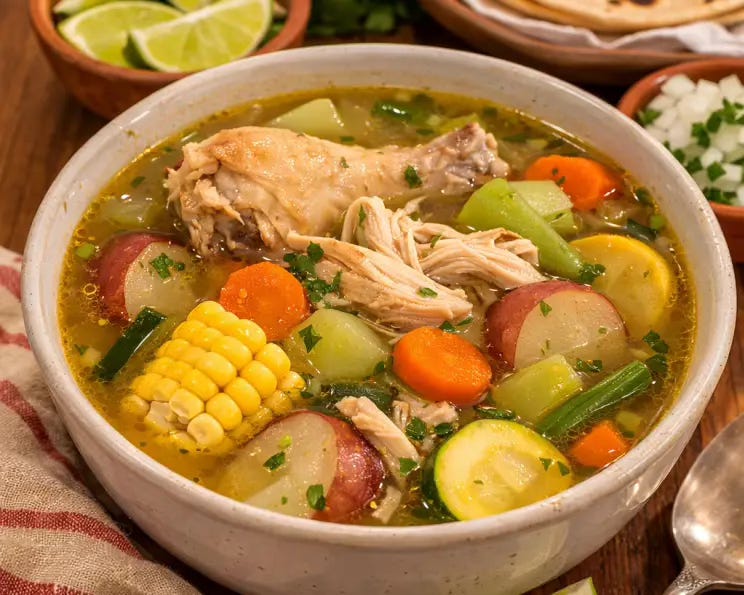
Traditional Mexican food culture gives us plenty of brothy meals eaten even in very warm climates. Caldo de pollo is a chicken soup typically made with vegetables like potatoes, carrots, zucchini, and corn; caldo de res is a beef soup made with beef and hearty vegetables like potatoes, carrots, cabbage, zucchini, and corn; and pozole is traditionally made with hominy and pork or chicken in a chile-seasoned broth, topped with fresh ingredients like cabbage, radishes, onion, lime, and herbs.
-
-
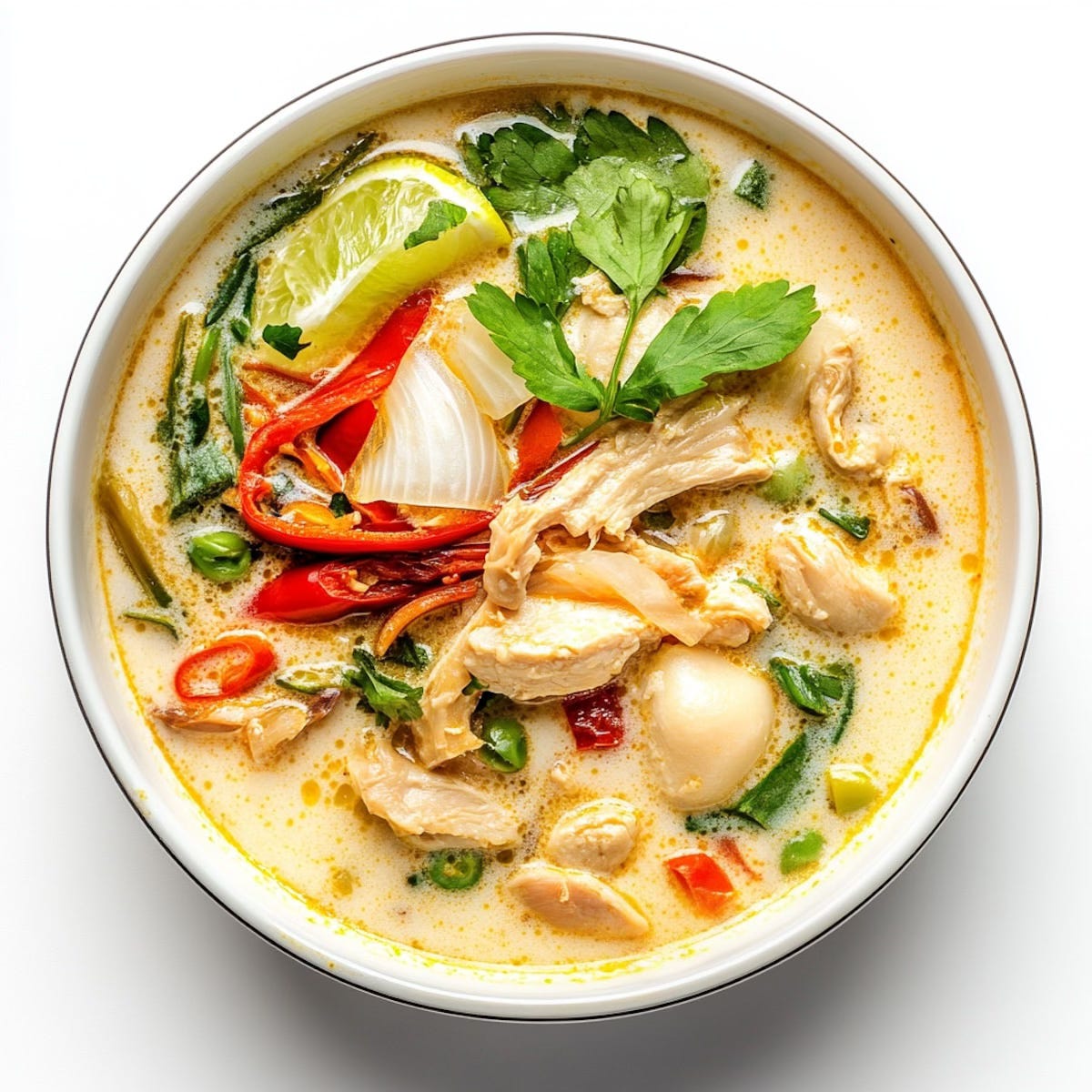
Thailand: Tom Kha
-
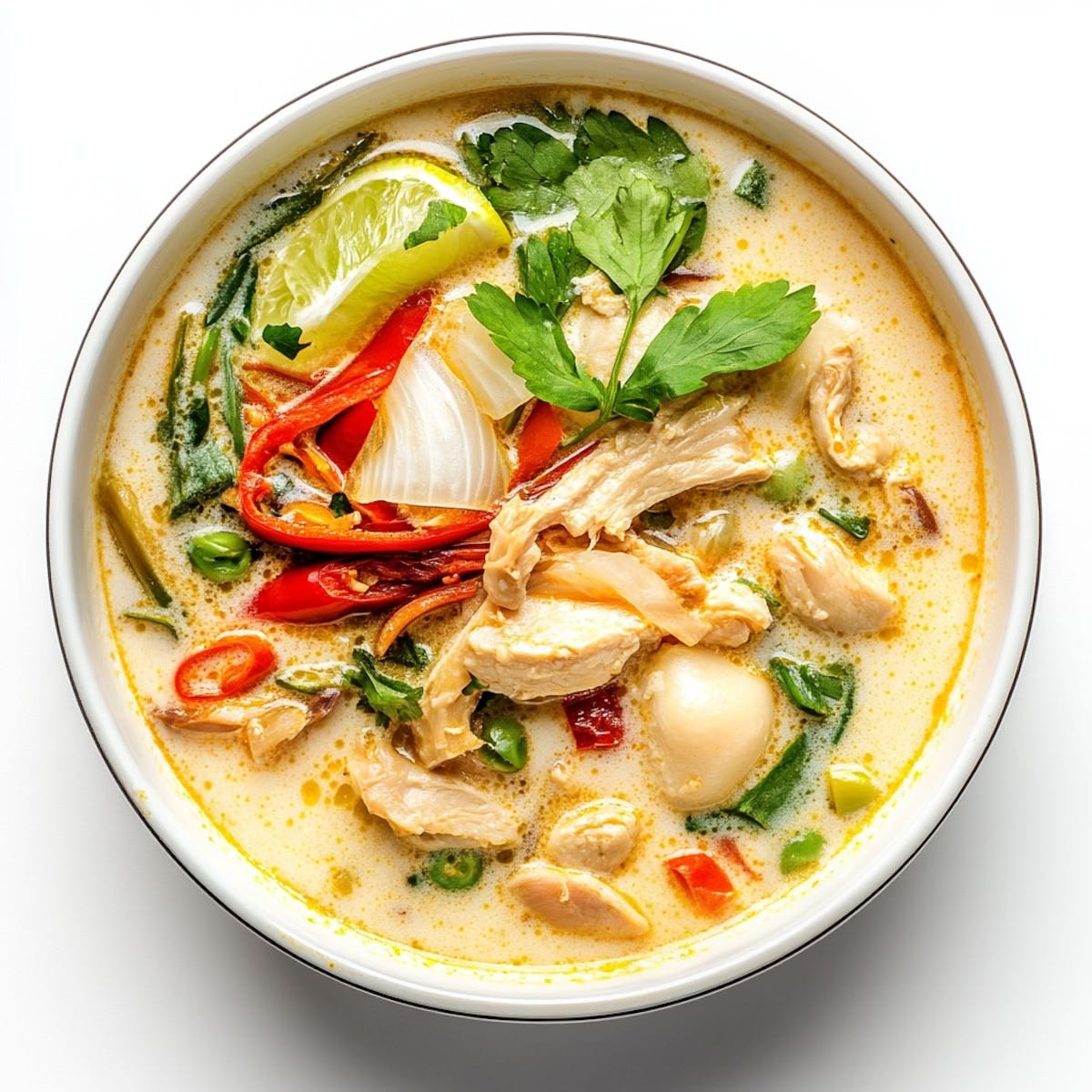
A fragrant soup commonly made with coconut milk, chicken, lemongrass, galangal, herbs, and spices. Another great example of hot soup being completely normal in a tropical food culture.
-
-
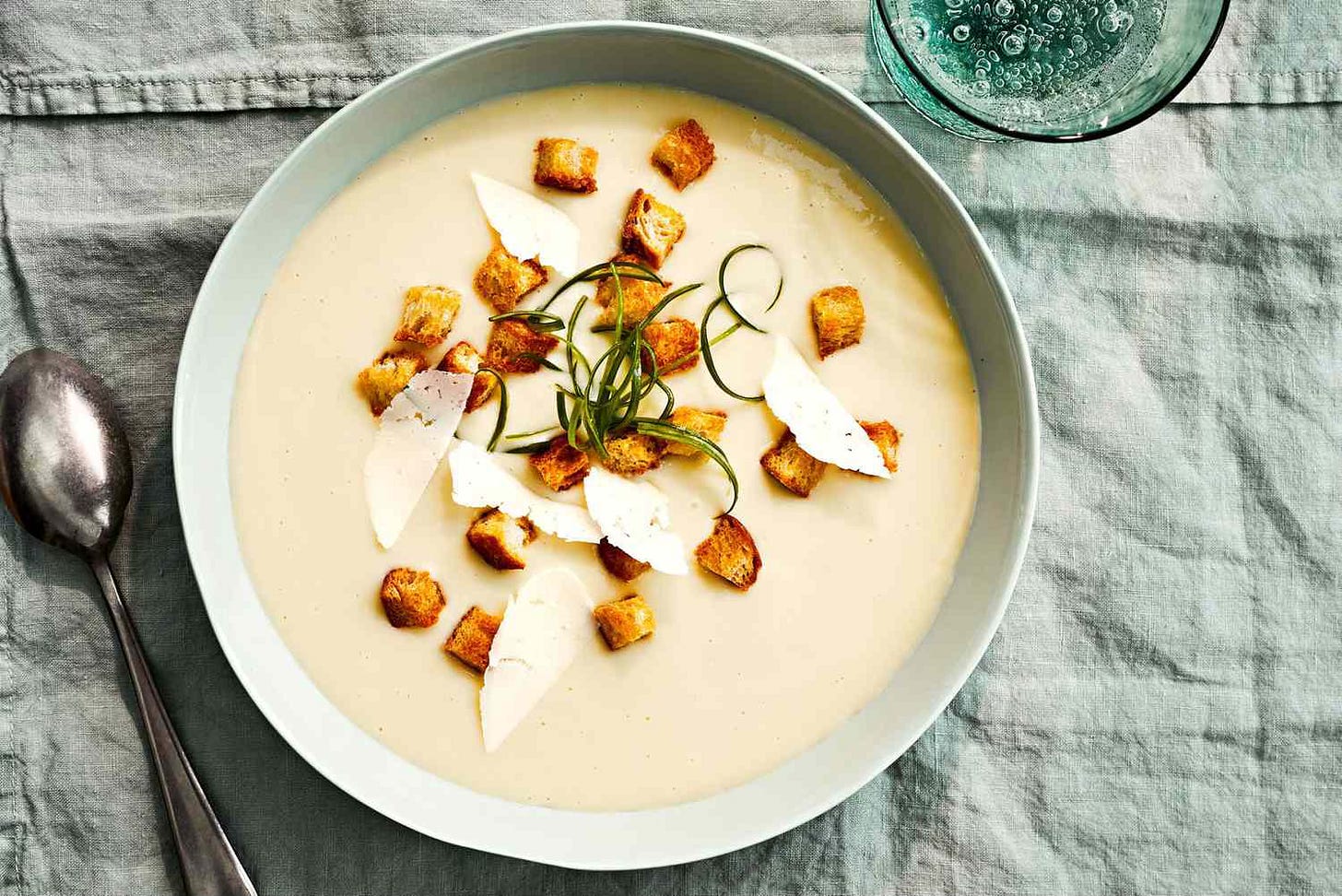
France: Vichyssoise
-
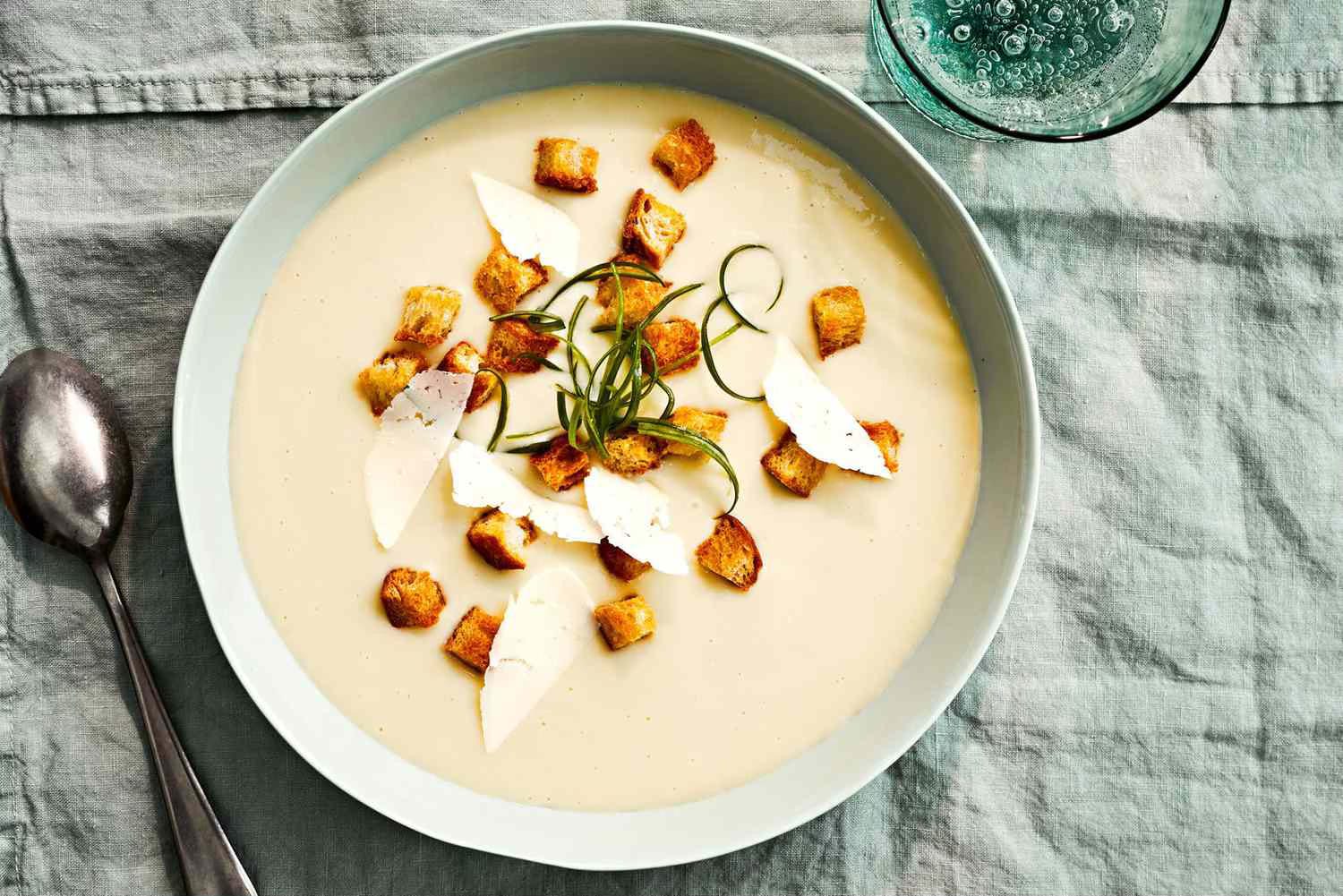
A creamy potato-and-leek soup made with ingredients such as potatoes, leeks, onions, broth, butter, and cream and commonly served chilled.
-
-
Central and Eastern Europe: Milk Soups
-
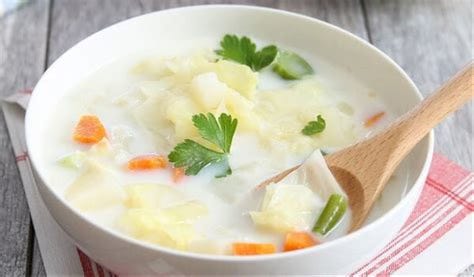
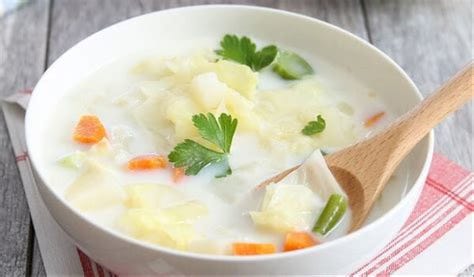
Variations of milk soup appear across several European food cultures, and in these dishes, milk itself often served as the liquid medium rather than water or broth. Poland has zupa mleczna, Hungary has tejleves, Lithuania has pieninės sriubos, and versions also appear in Russian, Ukrainian, Icelandic, and other regional traditions. Depending on the region and what was available, milk soups could contain potatoes and other vegetables, rice, buckwheat, millet, noodles, semolina, flour dumplings, or other grains and starches. Some were simple combinations of milk and grain, while others were more savory and incorporated vegetables, herbs, meat, or stock.
-
And the above examples are really just scratching the surface.
The more you look, the stranger our modern idea that “soup = cold weather” starts to seem.
What Even Is Soup?
When you think about what soup actually is, it makes sense why cultures throughout the world made it during every season.
At its most basic level, soup is simply ungredients cooked in a liquid medium.
That’s it.
Meat, bones, vegetables, grains, beans, potatoes, herbs, milk… whatever foods were available could go into a pot with water, broth, milk, or another liquid and become a meal.
Today, we tend to think of “soup” as a very specific category of food. But historically, the lines between soup, broth, stew, and porridge-like dishes were much blurrier.
In medieval Europe, for example, pottage was an everyday staple. It was essentially food cooked in a pot, and its consistency could range from a relatively thin broth to something thick and porridge-like. Depending on the season, that pot could contain grains, peas, beans, cabbage, leeks, onions, herbs, meat, bones, or whatever else was available.
The broader idea was incredibly practical:
Take the foods you have, add liquid, and turn them into a meal.
Cooking this way allowed people to soften tougher cuts of meat and simmer connective tissue for long periods of time. Dried grains and legumes could become soft and edible. Fibrous vegetables could cook down. A piece of meat could flavor an entire pot and nourish a family.
And instead of throwing away the cooking liquid and everything that leached into it, you ate that too.
It was less about following a “soup recipe” and more about turning the foods you had into a nourishing meal.
Which is actually how I still make “soup.” I rarely follow a recipe. I basically look at the meal I was already going to eat and think, could I turn this into soup?
And historically, this way of eating didn’t necessarily disappear when June rolled around.
Instead, the soup could change with the season rather than disappearing with the season.
Winter might mean more stored roots, dried beans, grains, cabbage, preserved meats, and long-simmered broths.
Summer could bring fresh herbs, young vegetables, tomatoes, cucumbers, zucchini, green beans, beets, fresh or cultured dairy, and whatever else was coming out of the garden or being produced on the farm.
Some cultures ate their summer soups cold. Others continued eating them piping hot, even in climates much warmer than ours.
So maybe “soup season” isn’t actually a season at all.
Maybe soup is just… food.
And when you look at some of the nutritional benefits of preparing food this way, eating soup in the summer starts to make even more sense.
Why I’m Soup Maxxing This Summer
Soup is a great food year-round.
But there are a few reasons I especially like incorporating soup-like meals during the summer.
1. Hydration
The first one is pretty obvious: liquid.
Instead of relying only on beverages for hydration, you’re eating a meal that itself contains a significant amount of water.
And depending on what you’ve put into the pot, that liquid isn’t just plain water (like dead, mineral-depleted reverse osmosis water).
Your broth can also contain sodium and other minerals and compounds contributed by the meat, bones, vegetables, dairy, herbs, and salt you’ve added.
Mineral rich liquid that actually hydrates.
When you’re outside more, sweating more, gardening, walking, working, or generally more active during the summer, getting additional fluid through your food likely supports health!
2. Cooking food in liquid can make it easier to eat and digest
One reason humans have cooked food in liquid for so long is pretty straightforward:
It softens food.
Which makes food easier to digest, leading to less digestive stress, and easier assimilation of the nutrients and energy the food provides.
Tough cuts of meat become tender, connective tissue breaks down during long cooking, fibrous vegetables soften, and starches absorb water and soften.
Traditional Chinese Medicine (TCM) has also placed a lot of emphasis on warm, cooked foods and soups. Within the TCM framework, digestion is thought to function best when food is cooked and warm rather than requiring the digestive system to process large quantities of cold or raw foods.
I don’t think we need to accept every aspect of traditional medical theory as established physiology to recognize the practical observation behind it: slow cooking in a liquid medium changes the physical structure of food.
And personally, I find soup-like meals incredibly easy to digest. Everything is cooked, soft, moist, and swimming in delicious broth. What’s not to love?
3. You eat the cooking liquid, and the nutrients in it
This is one of my favorite things about soup!
When you cook food in water, some water-soluble nutrients and other compounds can migrate from the food into that cooking liquid.
If you boil your vegetables and then dump the cooking water down the drain, some of what moved into that water goes with it.
But with soup you’re eating the water since the broth is part of the meal.
Of course, cooking can also reduce certain heat-sensitive vitamins, so I am not saying soup magically creates more micronutrients. The advantage is that compounds that leach into the cooking liquid aren’t necessarily being discarded.
And micronutrients matter for energy metabolism.
Your body requires vitamins and minerals as cofactors throughout the biochemical pathways involved in converting carbohydrate, fat, and protein into usable energy. During summer, when I’m often moving more and spending more time outside, I want my meals to be nutrient-dense to support a higher metabolic rate and more activity!
Soup is one really easy way to pack a lot of different nutrient-dense foods into one bowl.
4. An easy way to eat more collagen-rich foods, which is important in the summer sun
If you’re making soup with bone broth, shanks, oxtail, short ribs, chicken skin, joints, or other collagen-rich cuts, you’re naturally incorporating more gelatin and collagen-derived amino acids into your diet.
And this is especially interesting during summer because of what UV radiation does to the skin.
Research has consistently shown that UV accelerates collagen breakdown. (ref) As collagen levels decline, wrinkles form, skin structure deteriorates, and photoaging accelerates. In one study, researchers noted that collagen loss occurred almost simultaneously with wrinkle formation, suggesting that collagen degradation isn’t simply a consequence of skin aging, it’s one of the primary mechanisms through which UV radiation damages the skin. (ref)
Obviously eating soup is not sunscreen.
But nutrition still provides the raw materials your body uses to maintain and repair tissues, including skin.
There’s also some interesting research looking specifically at collagen consumption and UV-related cellular damage.
A 2023 study exposed human skin fibroblasts and keratinocytes to UV radiation and tested a particular animal-derived collagen preparation. (ref) Collagen reduced intracellular reactive oxygen species (ROS), lowered markers of lipid peroxidation, and improved antioxidant enzyme activity after UV exposure. The authors specifically described protective effects of collagen against UV-induced oxidative stress. A more recent review also notes that collagen have been shown to mitigate UV-induced collagen degradation and loss of skin elasticity. (ref)
If interested, I discuss the nutrition-and-sun connection much more in my previous article, “5 Dietary Tips for Food-Based Sun Protection.”
You Don’t Need to Eat Soup for Every Meal
Now, I’m not saying you need to turn every meal, every day into soup.
I certainly don’t. But I probably eat some version of a “soup-like meal” most days.
Partly because I really enjoy how I digest these meals.
And partly because they’re delicious.
But honestly, it also makes cooking so much easier.
You don’t need to follow strict rules or even have a recipe.
If you’re new to making soup this way, start with some inspiration from a traditional food culture. Make a minestrone. Try a caldo. Make a beet soup. Make a simple chicken and rice soup.
Then once you understand the basic idea, adapt it.
Use the meat you have.
Use seasonal vegetables you have access to.
Choose a carbohydrate you enjoy and digest well.
Add enough protein to meet your needs.
Adjust the portions to fit your calorie and macronutrient goals.
Add herbs. Add salt. Add cream. Add cheese. Dip sourdough in it.
Boom, done.
My current summer favorites that are delicious and easy to make:
-
- Tomato soup made with chicken broth, topped with raw A2 cheese and served with Heritage Wheat Sourdough Bread
-
- Russian Borscht soup made with Raw A2 Greek Yogurt paired with fruit or more Heritage Wheat Sourdough Bread
-
- Summer mash with collagen-rich bone broth, potatoes, whatever seasonal veggie I have on hand, meat (either meal-prepped beef shanks, braised pork hearts, or simple ground beef). Heat that all in a dutch oven. Top with fresh herbs and freshly shredded Raw A2 cheese

There doesn’t need to be a perfect recipe.
That’s arguably much closer to the spirit of traditional soup-making anyway: take the foods available to you, cook them in a way that makes them nourishing and enjoyable, and turn them into a meal.
So I’m officially done thinking of soup as a cold-weather food.
If it’s an easy way to stay hydrated, eat more nutrient-dense foods, get more collagen-rich cuts into my diet, simplify cooking, and make a meal I genuinely enjoy, I see no reason to pack away the soup pot just because it’s summer.
Maybe traditional cultures had it right: change what's in the pot with the season, not whether you use the pot at all.
Soup Maxxing Starts With a Good Broth
If you're going to make soup, start with a broth that actually brings something to the bowl.
Our bone broths are made from our regenerative, pasture-raised livestock with a high protein-to-moisture ratio for a nutrient-rich, collagen-packed broth (not the watered-down slop you often find at the grocery store.)
And we package our broth in glass, not plastic. Bone broth is packaged as a hot liquid, and heat can increase the migration of certain compounds and microplastics from some plastic food-contact materials.
Use it as the base for soups and stews, reheat leftovers, make your next soup meal, cook your rice or potatoes in it, or simply warm it up and sip it straight.
Choose your favorites and build your Bone Broth Box today for convenient, collagen-rich bone broth delivered right to your door.