What to Eat for Sun Protection: 5 Science-Backed Ways to Build Healthier Skin
Skin cancer rates are on the rise.
Yet humans have lived under the sun for our entire history.
And compared to previous generations, many people spend more time indoors than ever before. So… why are melanoma rates continuing to climb?
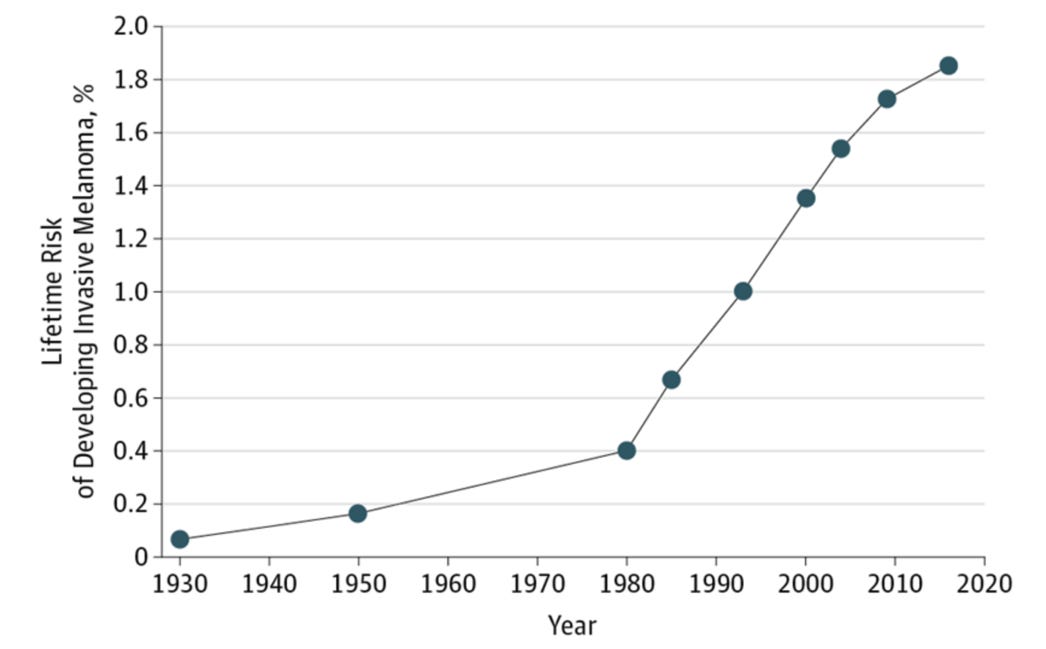
Image from ref
There is not a single answer.
But I think one important piece of the puzzle has been largely overlooked.
What if our modern diet has changed the way our skin responds to sunlight?
We’ve become very focused on what we put on our skin (sunscreen, lotions, protective clothing) but we rarely talk about what we put in our bodies.
Your skin is living tissue, and like every other tissue in your body, it’s built from the foods you eat: the calories that fuel your cells, the fats that get incorporated into cellular structures, the protein used to build collagen, the vitamins and minerals needed for repair, and the protective plant compounds that help defend against oxidative stress.
None of this means you should ignore common-sense sun safety. Excessive UV exposure and sunburn damage the skin. When you’ll be spending extended periods in intense sunlight, protective clothing, shade, and a clean mineral-based sunscreen still have an important place.
But protecting your skin isn’t just about what you put on your body. It’s also about what you put in it through your daily food choices.
Researchers have reached a similar conclusion:
“Recent research showing the oxidative mechanisms involved in sun-related damage and their attenuation by supplementation with particular food components suggests an internal approach may be a beneficial complement to an external strategy.” (ref)
I’ve also experienced this firsthand.
I used to burn regularly every summer. Today, I spend more time outdoors than I used to, yet I haven’t had a sunburn in years.
While gradually building sun tolerance and practicing common-sense sun safety have certainly helped, I also believe the changes I made to my diet fundamentally changed how my skin responds to sunlight.
After digging through the scientific literature and self-experimentation along the way, it became abundantly clear that sun-resilient skin isn’t built by sunscreen, supplements, a single nutrient, or one ‘superfood’.
It’s built by consistently giving your body the raw materials and energy it needs to build healthy skin that can better tolerate and repair UV-induced damage.
In my previous article, I explored how the fats that make up your skin can influence your susceptibility to sunburn, why sunlight isn’t the enemy, and how reducing excess polyunsaturated fats (PUFAs) in your diet may help improve your skin’s resilience to UV exposure.
In this follow-up, I want to walk through the five dietary pillars I believe matter most for creating skin that’s naturally more resilient to the sun.
-
Fuel your skin by eating enough calories to support healthy metabolism and energy production.
-
Provide the building blocks by consuming enough protein, including collagen-rich foods.
-
Supply the essential nutrients through a vitamin- and mineral-rich diet.
-
Choose stable fats and reduce excess polyunsaturated fats (PUFAs).
-
Strengthen your antioxidant defenses with phytochemical-rich foods.
Let’s dive into the science of eating for healthier, more sun-resilient skin.
This is food-based sun protection.
Our skin health directly depends on our diet. Which includes what we eat, but also how much we eat.
So the first important dietary pillar is eating enough calories for your metabolic needs.
1. Fuel your Skin: Eat Enough Calories
Your skin isn’t just a passive covering. It’s the largest organ in your body, accounting for roughly one-sixth of your body weight.
It’s also one of your most metabolically active organs, constantly renewing itself, repairing damage, maintaining its barrier, producing collagen, and defending against the outside world.
In fact, the entire outer layer of your skin (the epidermis) is replaced approximately every 4–8 weeks.
That takes a tremendous amount of energy.
And your skin cells don’t run on thin air, any more than a car runs on an empty gas tank.
A well-fed skin is more resilient than an underfed skin.
Like every other cell in your body, they require a constant supply of energy (ATP) to maintain their structure, divide, repair damage, and carry out thousands of biochemical reactions every second.
Studies demonstrate that when skin cells have more energy available, they grow and divide more rapidly (ref), supporting normal skin maintenance and repair.
Researchers also describe the skin as a high-turnover organ, where continuous renewal depends on rapidly dividing cells powered by healthy mitochondrial energy production.
“The energy requirement for these metabolically active cells is met by mitochondrial respiration… Recent studies have revealed a more innate role of the mitochondria in maintaining skin homeostasis and pigmentation, which are affected when the essential mitochondrial functions are impaired.” (ref)
And this becomes especially important after sun exposure.
Research has shown that during wound healing and after UV damage, skin cells increase their reliance on glucose uptake to fuel cell division and tissue repair. When researchers impaired glucose transport, skin cells became metabolically stressed and were less able to repair UV-damaged skin. (ref)
None of these skin maintenance and repair processes are free, they all require energy.
This is one reason severe calorie restriction, starvation, excessive fasting and malnutrition are associated with impaired wound healing, poorer skin integrity, delayed tissue repair, and compromised immune function.
And this makes perfect sense.
If energy is limited, your body has far more important priorities than building beautiful, resilient skin. It will preferentially allocate energy toward the organs and processes most critical for survival, like your brain, heart, lungs, and liver. Building and maintaining resilient skin becomes a lower priority.
This is why I think one of the most overlooked aspects of healthy skin is simply eating enough.
You can consume all the vitamins, minerals, collagen, and antioxidants in the world, but if you’re chronically under-eating, your body is still operating in a resource-conserving state.
This doesn’t mean overeating or gaining unnecessary body fat.
It means consistently providing your body with enough energy to support optimal metabolism.
That includes eating enough calories for your activity level, avoiding chronic crash dieting, eating balanced meals consistently, and avoiding long-term patterns of restriction followed by overeating.
For most people, this means eating enough to maintain healthy energy levels, support your activity, recover well, maintain muscle, and avoid the chronic fatigue, cold hands and feet, poor recovery, or persistent hunger that often accompany low energy availability.
Healthy, resilient skin isn’t just built from nutrients.
It’s built when your body has both the nutrients and the energy it needs to continually renew, maintain, and repair itself.
2. Provide the Building Blocks: Eat Enough Protein
Once your body has enough energy, it needs the raw materials to actually build healthy skin.
And some of those raw materials are amino acids from dietary protein.
Every day, your body breaks down old skin proteins and builds new ones. Producing collagen, elastin, keratin, enzymes, immune proteins, and new skin cells all requires a steady supply of amino acids.
Unlike carbohydrates and fat, the body has no large storage reserve of amino acids. If you don’t consume enough protein regularly, your body simply has fewer raw materials available for maintenance and repair. Insufficient dietary protein can make skin maintenance and repair processes become less efficient.
Dietary proteins are made up of amino acids. There are 20 amino acids used to build proteins, and nine of them are considered essential, meaning your body cannot make them and they must come from food.
If even one essential amino acid is in short supply, protein synthesis slows.
Think of it like trying to build a house. You might have all the lumber, concrete, drywall, and roofing. But if you run out of nails, construction inevitably slows down.
Protein synthesis works much the same way.
Now, there is some protein recycling that occurs in the body, so there is no need to consume excessive amounts of protein. Once you reach an adequate intake, eating substantially more doesn’t necessarily provide additional benefits.
Current research suggests that consuming around 1.6 grams of protein per kilogram of body weight per day is a reasonable target for supporting tissue repair and overall health.
For someone who weighs 150 pounds, that’s roughly 110 grams of protein per day.
While all high-quality protein sources are important, collagen deserves special attention when it comes to improving your skin’s resilience to the sun!
Collagen is the primary structural protein of the skin, making up roughly 70–80% of the dry weight of the dermis. It provides the framework that gives skin its strength, elasticity, and resilience.
UV exposure can directly damage that framework.
Research has consistently shown that ultraviolet radiation accelerates collagen breakdown. (ref) As collagen levels decline, wrinkles form, skin structure deteriorates, and photoaging accelerates.
In one study, researchers noted that collagen loss occurred almost simultaneously with wrinkle formation, suggesting that collagen degradation isn’t simply a consequence of skin aging, it’s one of the primary mechanisms through which UV radiation damages the skin. (ref)
If UV exposure breaks down collagen, then maintaining healthy collagen stores through adequate protein intake and regularly consuming collagen-rich foods may help support your skin’s ability to repair itself after sun exposure.
Maintaining healthy collagen stores likely contributes to overall skin sun resilience.
What does the research show?
Human studies consistently show that collagen intake improves skin hydration, elasticity, and structural integrity.
While there are relatively few human studies directly examining whether collagen directly reduces sunburn, experimental research consistently suggests that collagen helps protect the skin from UV-induced damage through several complementary mechanisms.
-
- A 2023 study evaluating a collagen preparation in UV-exposed fibroblasts found that collagen reduced intracellular reactive oxygen species (ROS), lowered markers of lipid peroxidation, and improved antioxidant enzyme activity after UV exposure. (ref) The authors specifically described protective effects of collagen against UV-induced oxidative stress.
-
- In a UVB-exposed mouse model, oral collagen supplementation improved skin hydration, reduced transepidermal water loss (TEWL), increased hyaluronic acid production, and increased the expression of filaggrin and involucrin (two proteins critical for maintaining a healthy skin barrier). (ref) The authors concluded that collagen peptides helped attenuate UVB-induced skin dehydration and improve skin barrier function.
-
- One mouse study found that collagen inhibited UV-induced wrinkle formation and regulated pathways involved in collagen breakdown. (ref)
-
- A more recent review also notes that collagen have been shown to mitigate UV-induced collagen degradation and loss of skin elasticity. (ref)
-
- As I covered in a previous post, Sunburn is not simply the result of UV light hitting the skin, it’s also an inflammatory response. UV exposure triggers the release of inflammatory signaling molecules that contribute to the redness, swelling, and discomfort associated with sunburn. Experimental studies have found that collagen can reduce pro-inflammatory signaling and increase anti-inflammatory signaling from UV damage. (ref)
Collagen doesn’t act like sunscreen. But collectively, these findings suggest that collagen helps support the skin’s ability to withstand and recover from UV-induced stress.
Of course, it’s important to acknowledge that some of these studies have been performed in animals.
Does that mean they don’t apply to humans?
The biological processes being studied (oxidative stress, collagen degradation, inflammation, skin barrier function, and tissue repair from UV exposure) are fundamentally shared between mice and humans. Animal studies therefore provide valuable insight into the underlying mechanisms.
There are currently very few human studies that have directly examined whether increasing collagen intake improves resistance to sunburn. The simple reality is that this specific question hasn’t been studied extensively, and much of the research investigating collagen and UV damage is relatively recent.
While more human research is certainly needed, the existing evidence suggests that consuming adequate protein and collagen-rich foods may help support healthier, more resilient skin and improve the skin’s ability to recover from UV-induced damage.
One important thing to point out: collagen isn’t a replacement for adequate dietary protein, it’s a complement to it.
Collagen provides many of the amino acids needed to build healthy skin, but it isn’t a complete protein because it does not contain all essential amino acids. That means collagen works best alongside a diet rich in high-quality complete proteins.
Prioritize complete protein sources like:
-
- Beef
-
- Lamb
-
- Dairy
-
- Eggs
-
- Chicken
-
- Pork
-
- Seafood
Then regularly include collagen-rich foods such as:
-
- Bone broth
-
- Soups and stews
-
- Collagen-rich cuts of meat
-
-- Skin-on cuts, like skin-on, bone-in chicken thighs and breasts
-
-- Beef shanks, pork shanks, lamb shanks
-
-- Oxtail
-
-- Beef cheeks, pork cheeks
-
-- Roasts with the bone
-
-- Chicken gizzards
-
-
- Gelatin powder or collagen powder (whole food sources will obviously be best since they come with accompanying vitamins and minerals, but these can be useful!)
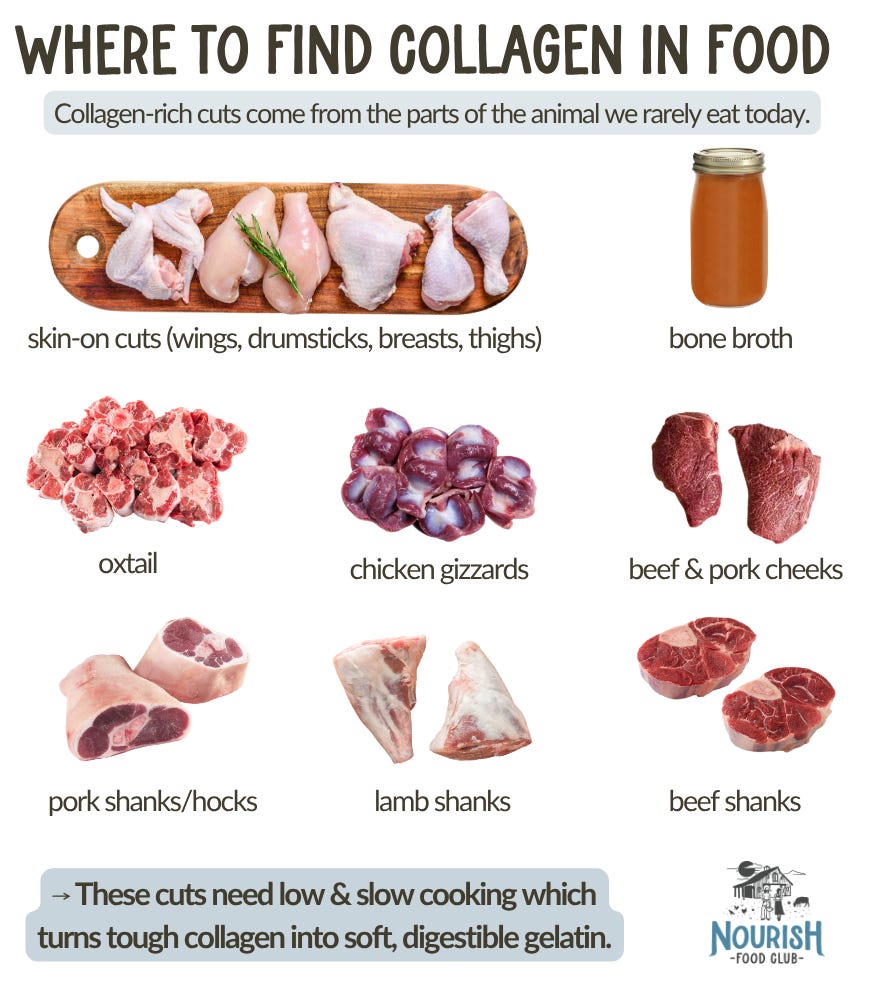
For me, this looks like enjoying bone broth every day (either as a side or in soups/stews), choosing collagen-rich cuts like shanks and cheeks whenever I can, leaving the skin on my chicken, and making homemade gummies or marshmallows with gelatin powder.
It’s a simple way to provide my skin with additional collagen while eating foods I genuinely enjoy.
Collagen isn’t a replacement for adequate protein, it’s a complement to it.
A complement that supports skin that is more resilient to the sun!
3. Supply the Tools: Prioritize a Nutrient-Dense Diet
Calories provide the energy.
Protein provides the building blocks.
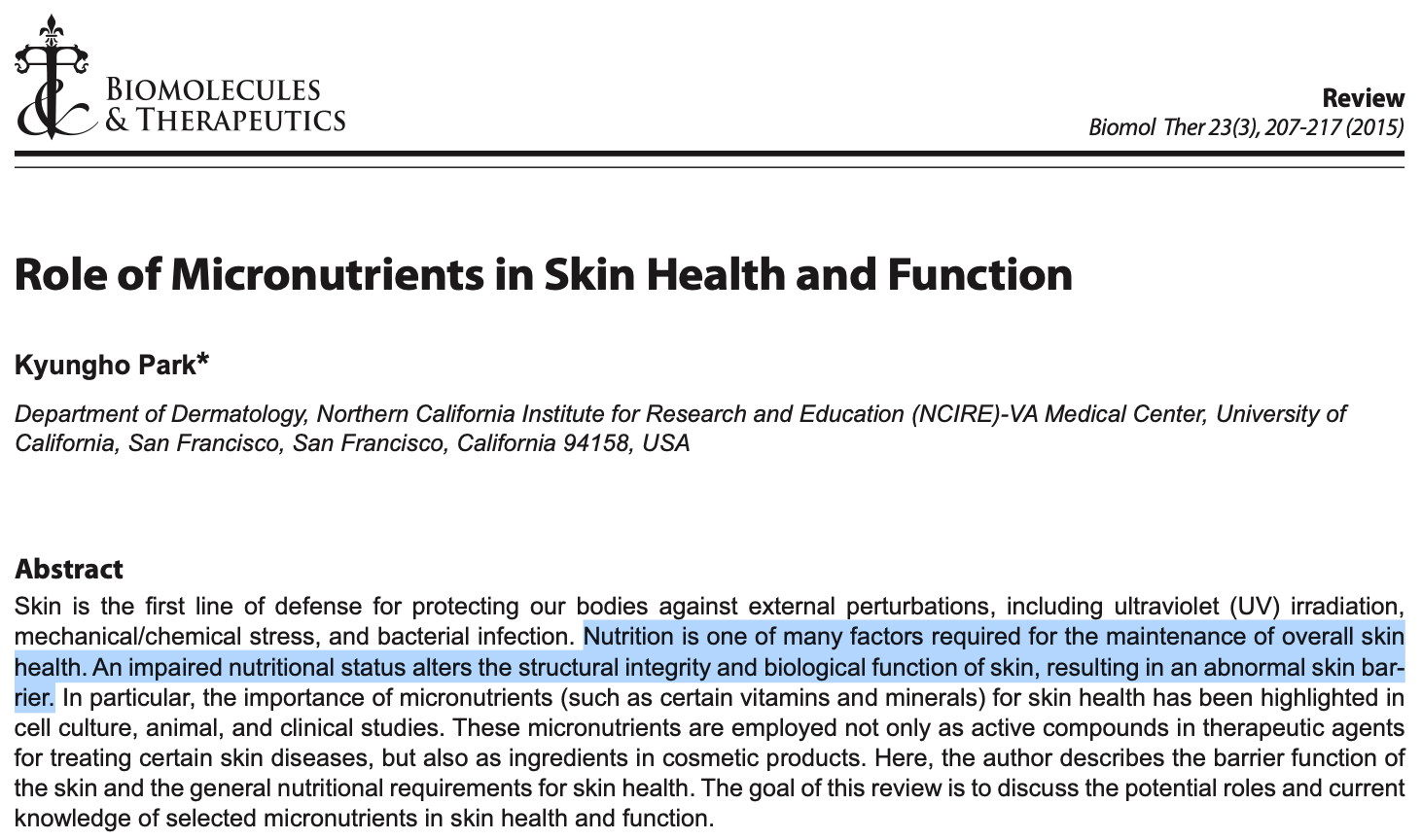
Vitamins and minerals provide the tools that allow your body to actually build, maintain, and repair healthy skin.
Virtually every process we’ve discussed so far depends on micronutrients.
Producing ATP. Synthesizing collagen. Repairing DNA after UV exposure. Building new skin cells. Neutralizing free radicals. Supporting immune function. Maintaining the skin barrier.
None of these processes happen efficiently without an adequate supply of vitamins and minerals.
In other words, you can consume enough calories and plenty of protein, but if you’re deficient in key micronutrients, you’ve handed your body all the building materials without the tools needed to put them together.
So how much do I need to eat?
A practical place to start is aiming to consistently meet the Recommended Dietary Allowances (RDAs) for vitamins and minerals.
The RDA isn’t the “optimal” intake for every individual or every situation. Rather, it’s the amount established to meet the nutritional requirements of nearly all healthy people and prevent deficiency.
Is it perfect? No. But it’s a solid baseline.
And the surprising reality is that after working with close to 500 people now through Transform, most people aren’t consistently meeting even these basic targets. And that’s in a rather ‘health-focused’ group of individuals! So when we zoom out to mainstream with processed food and poor food choices, the nutrient deficiencies are probably rampant!
How do know if you are currently eating enough micronutrients?
One of my favorite tools is Cronometer (not affiliated). It pulls nutrient information from the USDA and NCCDB food databases and allows you to see how much of each vitamin and mineral you’re actually consuming.
Again, is it perfect? No. Food composition naturally varies depending on soil quality, farming practices, animal diet, storage, and cooking methods. But it provides a tremendously useful snapshot of where your diet may have gaps.
And if you’re able to access higher quality food from regenerative farms with healthy soils and well-raised animals, you’re likely getting even more nutrients than the database estimates. Which is great!
Truly, sometimes just a few dietary tweaks are enough to dramatically improve micronutrient intake.
But how would you know if you don’t track and assess?
Because if you want to improve your skin’s sun resilience, supplying your body with the vitamins and minerals it needs through whole foods, is one of the best ways to do so. It’s worth the little bit of time spent tracking!
Here are just a few examples of how various micronutrients improve skin sun resilience:
-
- Vitamin A (retinol): Regulates skin cell growth, differentiation, and repair while supporting the skin’s response to UV exposure. (ref, ref)
-
- Vitamin C: Required for collagen synthesis and helps regenerate antioxidant defenses while protecting against oxidative damage. (ref)
-
- Vitamin E: Protects some of the polyunsaturated fats within cell membranes from lipid peroxidation during UV exposure. (ref)
-
- Niacin (Vitamin B3): Supports cellular energy metabolism and helps protect against UV-induced oxidative damage. (ref)
-
- Zinc: Plays essential roles in wound healing, DNA repair, immune function, and protection against UV-induced photodamage. (ref, ref)
-
- Copper: Required for proper collagen maturation and also functions as part of the body’s antioxidant defense system. (ref, ref)
-
- Selenium: Helps power the body’s built in antioxidant defense system (ref) by serving as an essential cofactor for glutathione peroxidase (ref), one of the body’s primary enzymes for neutralizing harmful reactive oxygen species. Research has shown that selenium protects skin cells against UVB-induced damage and exhibits antiphotocarcinogenic activity, meaning it may help reduce the development of UV-induced skin cancers. (ref)
Almost every one of these nutrients either helps your skin build and repair tissue or protect itself from oxidative stress.
A nutrient-deficient diet handicaps your skin’s ability to respond to UV exposure.
A nutrient-rich diet gives it the tools to do its job.
Fortunately, nature packages these nutrients together. Organ meats, eggs, dairy, seafood, meat, fruits, vegetables, potatoes, sourdough bread, and other minimally processed whole foods don’t provide just one vitamin or mineral, they provide hundreds of nutrients that work together within the whole-food matrix.
The goal isn’t to chase individual nutrients. It’s to build a diet centered around nutrient-dense foods.
4. Choose Stable Fats: Reduce Excess Polyunsaturated Fats (PUFAs)
We’ve all heard the saying: “You are what you eat.”
When it comes to dietary fat, that’s remarkably true.
The fats you eat don’t simply disappear. Some of it is burned for energy, while others become incorporated into your cells and tissues, including your skin.
Your skin naturally contains fat, and that’s a good thing. These fats help maintain skin structure, barrier function, moisture, and cellular communication.
The problem isn’t fat itself.
The problem is which fats become part of your skin.
Research consistently shows that the fatty acid composition of your skin reflects the fats you regularly consume. (ref) In other words, the fats you choose to eat today gradually become the fats that make up your skin tomorrow.
This becomes particularly important when it comes to your risk of sunburn.
As I discussed in much greater detail (along with the supporting research) in my previous article, Sunburn Starts in the Kitchen, oxidative stress is one of the primary drivers of sunburn.
More oxidative stress from ultraviolet (UV) radiation = more sunburn and skin damage.
Polyunsaturated fats (PUFAs) are chemically different from saturated and monounsaturated fats because they contain multiple double bonds. Those double bonds make them far more susceptible to oxidation when exposed to UV rays.
The more PUFAs stored in your skin, the more material there is available for UV-induced lipid peroxidation.
In other words:
-
> The more PUFAs you eat, the more PUFAs become incorporated into your skin.
-
> The more PUFAs in your skin, the greater its susceptibility to oxidative damage during sun exposure.
-
> Greater oxidative damage increases your risk of sunburn.
This is why not all dietary fats are biologically equivalent.
A tablespoon of fat isn’t just a tablespoon of fat.
One tablespoon of butter and one tablespoon of margarine both contain roughly the same amount of total fat. But they have different fatty acid compositions.
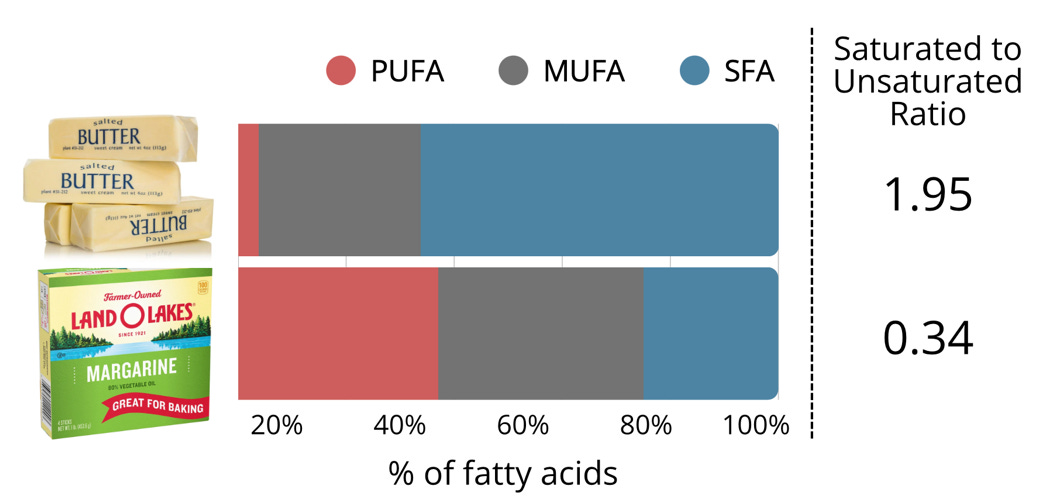
Looking only at total fat misses the more important question: What kind of fats is it made up of?
This is one reason the modern food system has fundamentally changed our biology.
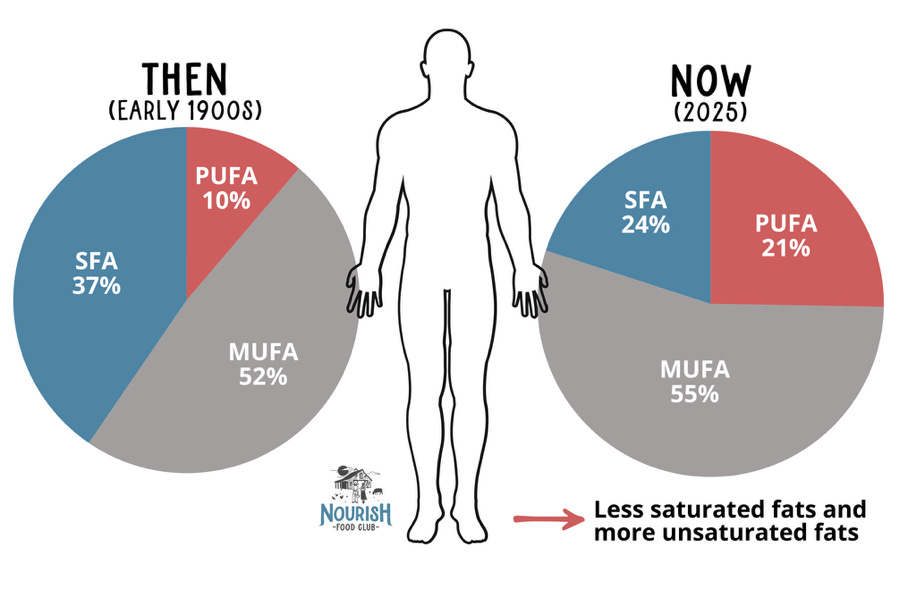
Over the past century, industrial seed oils became widespread, conventional chickens and pigs began consuming high PUFA corn- and soy-based feeds, and processed foods became loaded with polyunsaturated fats.
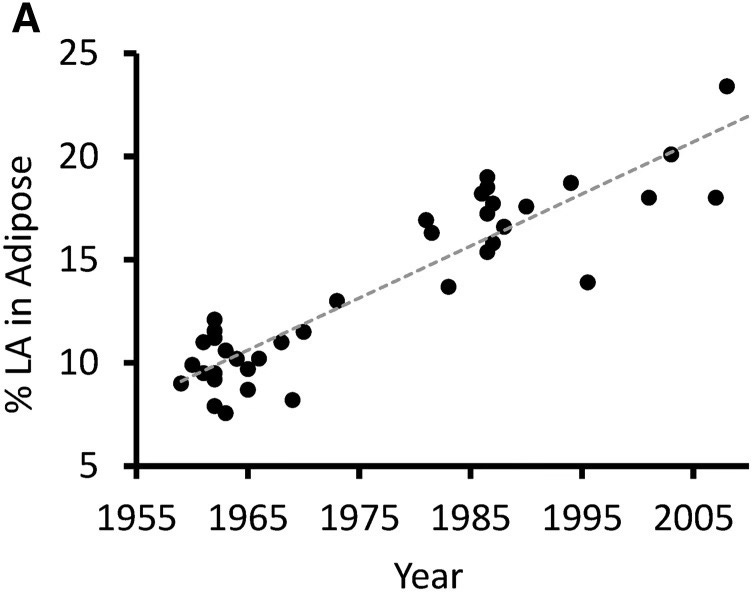
As a result, humans today carry substantially more PUFAs in their tissues than previous generations. One study estimated that the amount of linoleic acid (LA, an Omega 6 PUFA) stored in human fat tissue has increased by roughly 136% over the past half-century. (ref)
“Our results indicate that adipose tissue LA has increased by 136% over the last half century and that this increase is highly correlated with an increase in dietary LA intake over the same period of time.”
While many factors likely contribute to rising rates of sunburn and skin cancer, I believe this dramatic shift in the fatty acid composition of our bodies deserves far more attention than it receives today.
So what should you actually eat?
You don’t need to be perfect.
But being more mindful of your everyday fat choices can gradually change the fatty acid composition of your body over time, improving your skin’s resilience to the sun.
Foods that tend to be highest in PUFAs include:
-
- Industrial seed oils (soybean, corn, canola, sunflower, safflower, grapeseed, cottonseed, rice bran, peanut oil)
-
- Margarine
-
- Plant-based dairy alternatives (soy, oat, almond, flax, etc.)
-
- Flaxseed and flax oil
-
- Nuts and seeds, seeds and nut butters (enjoy in moderation)
-
- Most commercial salad dressings
-
- Ultra-processed foods made with these oils
-
- Fatty cuts of conventionally raised chicken and pork
-
- Conventional eggs and many “omega-3 enriched” eggs
Instead, cook primarily with more stable fats such as:
-
- Butter
-
- Ghee
-
- Beef tallow
-
- Coconut oil
For naturally fatty foods, prioritize those that are lower in PUFAs, including:
-
- Dairy (milk, yogurt, cheese, cream)
-
- Beef, lamb, bison
When it comes to chicken and pork, remember: just like us, they are what they eat.
Corn- and soy-fed chickens and pigs accumulate far more PUFAs in their fat than animals fed lower-PUFA diets. Our own fatty acid testing at Nourish Food Club demonstrates exactly this principle. When chickens and pigs consume a lower-PUFA diet, the meat and eggs they produce also contain substantially lower levels of polyunsaturated fats.
Whenever possible, choose pasture-raised chicken (meat and eggs) and pork raised on corn- and soy-free, lower-PUFA feeds. If those aren’t available, choosing leaner cuts (like chicken breast or pork tenderloin) can substantially reduce PUFA intake.
In many ways, understanding how the fatty acid composition of our food has changed, and how that has changed the fatty acid composition of our own bodies, was one of the biggest motivations behind starting Nourish Food Club. Our mission has always been simple: help return food closer to the fatty acid composition our great-grandparents once ate by being very intentional with how our food is produced and what our livestock eat.
5. Strengthen Your Antioxidant Defenses: Eat Phytochemical-Rich Foods
In addition to dietary fats changing the composition of your skin, one of the most fascinating findings in the literature is that certain protective plant compounds (called phytochemicals) can actually accumulate within the skin itself, where they help defend against the oxidative stress generated by UV exposure and improve your skin’s resilience to the sun.
Nature doesn’t make fruits, vegetables, herbs, and spices colorful simply to look beautiful. Those bright colors, aromas, and flavors often reflect thousands of protective compounds the plant has produced to defend itself from sunlight, insects, fungi, and other environmental stressors.
When we eat these plants, we benefit from many of those same protective compounds, too. Research has documented a wide range of health-promoting effects of phytochemicals (ref), including supporting the body’s response to UV-induced oxidative stress.
Specifically, they help support your body's antioxidant defenses, free radical neutralization, healthy inflammatory responses, and cellular repair pathways following UV exposure.
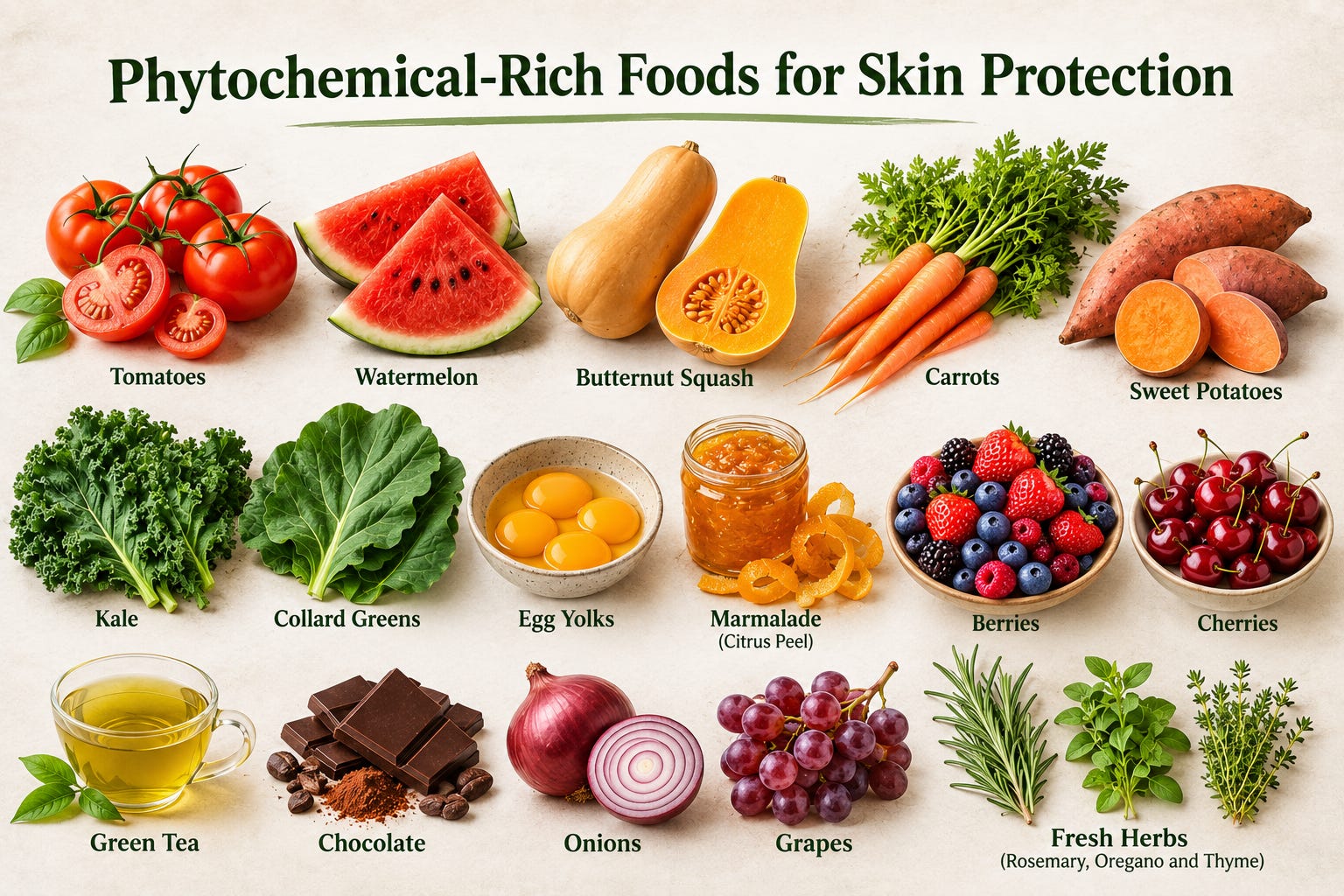
The bright red of tomatoes and watermelons (lycopene), the deep purple of berries (anthocyanins), and the fragrant oils in herbs and citrus (terpenes) aren’t there by accident.
They’re visible signs of protective compounds that nature has packaged into food.
A large review of the scientific literature (ref) highlights several families of phytochemicals that appear particularly promising for supporting the skin’s resilience to UV damage. “Phytochemicals” is the umbrella term, with different families of plant compounds contributing through different biological mechanisms.
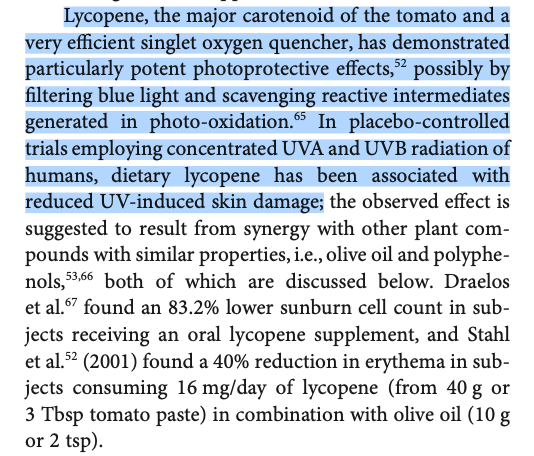
Carotenoids: the colorful pigments responsible for many red, orange, and yellow fruits and vegetables.
Examples include:
-
- Lycopene (tomatoes, watermelon)
-
- Beta-carotene (carrots, squash, sweet potatoes)
-
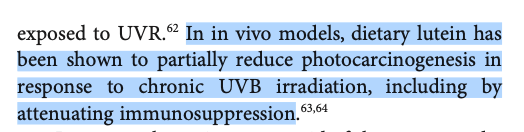
- Lutein and zeaxanthin (kale, spinach, collard greens, egg yolks)
Terpenes: aromatic plant compounds that give herbs, citrus peels and spices their distinctive scents, that may help protect cells from oxidative stress. One particularly interesting example is d-limonene, found in citrus peels (like in marmalade and jams made with citrus peels!)
Population studies have found that people who regularly consume citrus peel have a lower risk of squamous cell carcinoma, while laboratory studies suggest compounds within the peel (including d-limonene and flavonoids) help protect skin cells from UV-induced oxidative damage. (ref, ref, ref)
Polyphenols: A broad family of plant compounds that help neutralize free radicals, regulate inflammation, and support the skin’s defenses against UV-induced oxidative stress.
-
- Anthocyanins in blueberries, blackberries, raspberries, strawberries and cherries
-
- Catechins (EGCG) in green tea
-
- Cocoa flavanols (proanthocyanidins) in cocoa, cacao, and chocolate
-
- Quercetin in onions, apples, grapes and capers
-
- Phenolic acids (such as rosmarinic acid) in fresh herbs like rosemary, oregano, and thyme
One thing you may have noticed in the list above is that egg yolks made an appearance.
That’s because phytochemicals aren’t only in plants!
While phytochemicals are produced by plants, they don’t necessarily stop there.
Chickens, cows, sheep, and other livestock don’t manufacture phytochemicals themselves, but they can acquire them from the plants they eat (just like us!)
For example, when hens consume carotenoid-rich plants, they absorb compounds like lutein and zeaxanthin and deposit them into their egg yolks. That’s why egg yolks naturally contain these important carotenoids despite not being a plant food themselves. And this principle extends far beyond eggs.
When cows, sheep, chickens, and pigs graze botanically diverse pastures, they consume hundreds of different plant compounds throughout their lives. Many of those phytochemicals can ultimately be detected in the meat, milk, and eggs they produce.
Phytochemicals don’t necessarily stop at the plant, they can move through the food chain.
A comprehensive review by Van Vliet and colleagues compiled numerous studies showing that the phytochemical composition of meat and dairy directly reflects the diversity of plants consumed by the animal. (ref) Animals grazing botanically diverse pastures accumulate both higher amounts and a greater diversity of phytochemicals than animals raised on monoculture pastures or grain-based diets in feedlots.
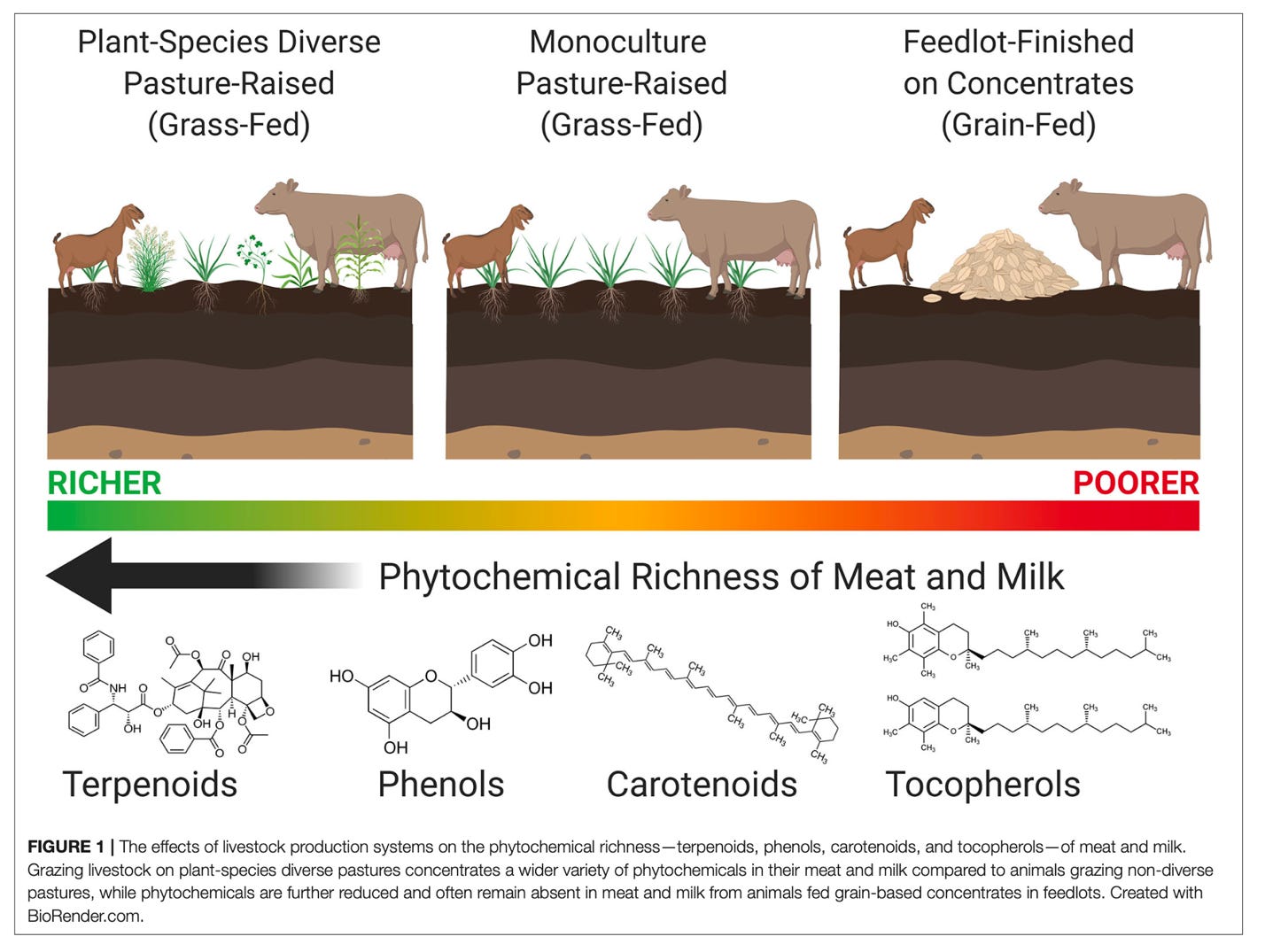
Eggs tell a similar story. Hens with access to diverse pasture produce yolks containing higher levels and a wider variety of plant-derived compounds like carotenoids than hens raised indoors on conventional diets (ref).
This is one of the reasons regenerative, pasture-based farming produces food that is nutritionally different.
A cow grazing diverse pastures on a regenerative farm isn’t simply converting grass into beef or milk. Throughout its life, it consumes a remarkable diversity of grasses, legumes, wildflowers, shrubs, and forbs (plants that humans would rarely, if ever, eat directly).
In doing so, many of those plant compounds can ultimately make their way into the foods the animal produces.
Some studies have even reported concentrations of specific phytochemicals in pasture-raised animal foods that are comparable to those found in commonly consumed fruits and vegetables.
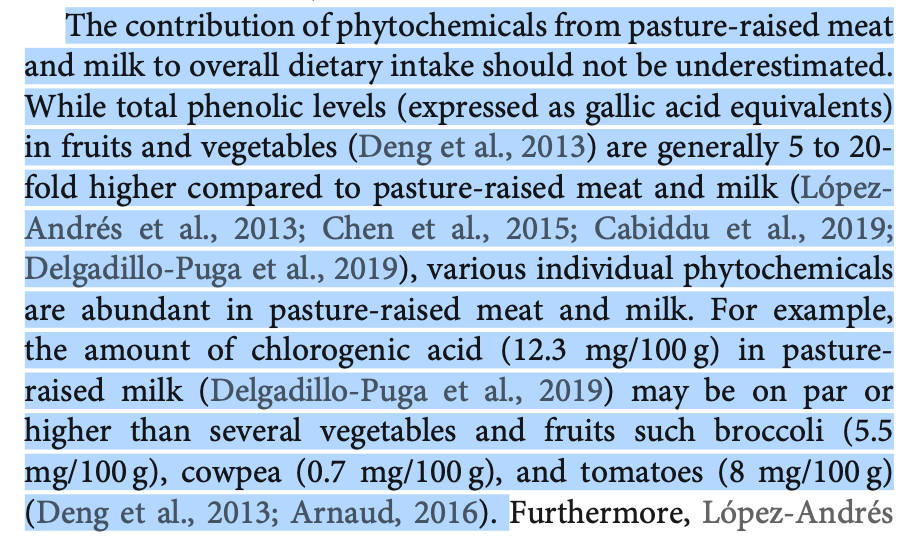
Importantly, several of these compounds (including chlorogenic acid, beta-carotene, vitamin E, and numerous other phytochemicals) have been associated with protection against UV-induced oxidative damage. (ref)
This isn’t a plant-versus-animal foods debate.
It’s about recognizing how beautifully they work together.
Plants produce thousands of protective compounds. Animals consume those plants and can accumulate many of those protective compounds in their meat, milk, and eggs, while also providing high-quality protein, collagen, healthy fats, vitamins, and minerals.
The result is a whole-food matrix that no isolated supplement can replicate. Nature has been packaging these nutrients and protective compounds together all along.
Conclusion: Protect Your Skin From the Inside Out
Healthy, sun-resilient skin isn’t built by a single nutrient.
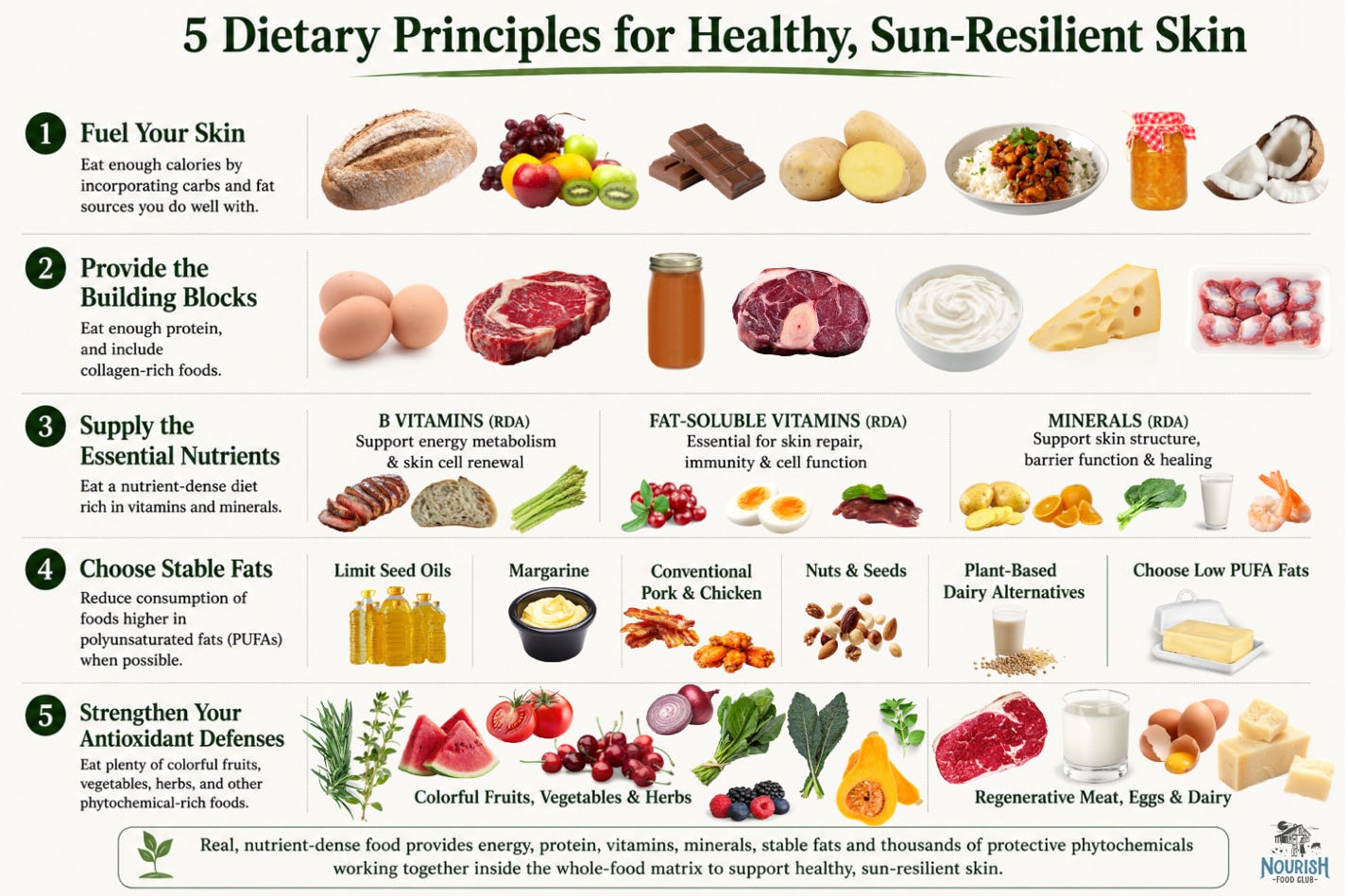
It’s built by consistently eating real, nutrient-dense food that provides your body with energy, protein, vitamins, minerals, stable fats, and thousands of protective phytochemicals working together inside the whole-food matrix.
Throughout this article, we’ve explored five dietary pillars that help support your skin’s natural resilience to the sun:
-
Fuel Your Skin: Eat enough calories to support healthy metabolism and cellular energy production.
-
Provide the Building Blocks: Prioritize adequate protein, including collagen-rich foods.
-
Supply the Essential Nutrients: Eat a nutrient-dense diet rich in vitamins and minerals.
-
Choose Stable Fats: Reduce excess polyunsaturated fats (PUFAs).
-
Strengthen Your Antioxidant Defenses: Eat plenty of colorful fruits, vegetables, herbs, and other phytochemical-rich foods.
Here’s a metaphor to better understand how all these principles work together.
Imagine you’re building a house.
Calories pay the construction workers.
Protein delivers the bricks.
Vitamins and minerals provide the tools.
Dietary fats become part of the walls and structure.
Phytochemicals are the protective coating that helps defend the house against the elements.
If any one of those pieces is missing, the finished product won’t be nearly as strong.
Your skin works much the same way.
“So… what should I actually eat?”
Keep it simple.
-
- Eat enough calories to support your metabolism, activity level, and recovery. Incorporate carbs and fats you objectively do well with (this will be different for each person!)
-
- Aim for plenty of high-quality protein (around 1.6 g/kg body weight is a good target for many active people) and regularly include collagen-rich foods like bone broth, shanks, oxtail, skin-on chicken, or gelatin.
-
- Prioritize nutrient-dense whole foods so you’re consistently meeting your vitamin and mineral needs. Tracking your intake with a tool like Cronometer for a few weeks can be a helpful way to identify nutritional gaps.
-
- Be mindful of your fat choices and keep PUFA intake to a minimum. Cook primarily with stable fats like butter, ghee, tallow, and coconut oil, while minimizing industrial seed oils, heavy nut and seed consumption, plant-based dairy alternatives (one exception is coconut milk which is very low PUFA).
-
- When possible, choose pasture-raised, corn- and soy-free chicken, pork, and eggs. If those aren’t available, leaner cuts of conventional chicken and pork can help reduce PUFA intake.
-
- Fill your plate with colorful fruits, vegetables, fresh herbs, citrus, berries, and other phytochemical-rich foods throughout the year.
-
- Source regeneratively-raised meat, dairy, and eggs when possible, for a wider intake of phytochemicals.
Protecting your skin isn’t just about what you put on it. It’s also about what you put in it.
Mineral-based sunscreen, hats, shade, and common-sense sun exposure all have their place. None of this is meant to suggest otherwise.
But healthy skin isn’t built by sunscreen alone.
It’s built meal by meal, day after day, as your body uses the foods you eat to build stronger, healthier, more resilient tissue from the inside out.
That’s food-based sun protection.
And to me, that’s one of the most beautiful examples of how nourishment truly begins from the inside out.